Modifying your home today preserves your independence and prevents costly emergency renovations tomorrow. Evaluating high-risk layouts now ensures your property supports your lifestyle as your physical needs shift.
Holding on to features designed for younger families often creates daily friction, safety hazards, and overwhelming physical upkeep. Recognizing these design traps allows you to prioritize upgrades that protect your safety and your nest egg.
This guide reveals thirteen problematic elements homeowners frequently regret keeping into their later years. You will discover practical remodels, accurate project expenses, and smart modifications to protect your comfort for decades.
Project Overview & Why It Matters
Staying in the neighborhood you love requires a home that adapts to your changing physical capabilities. Planning proactive home renovations keeps you in control of your living environment rather than reacting to sudden medical events.
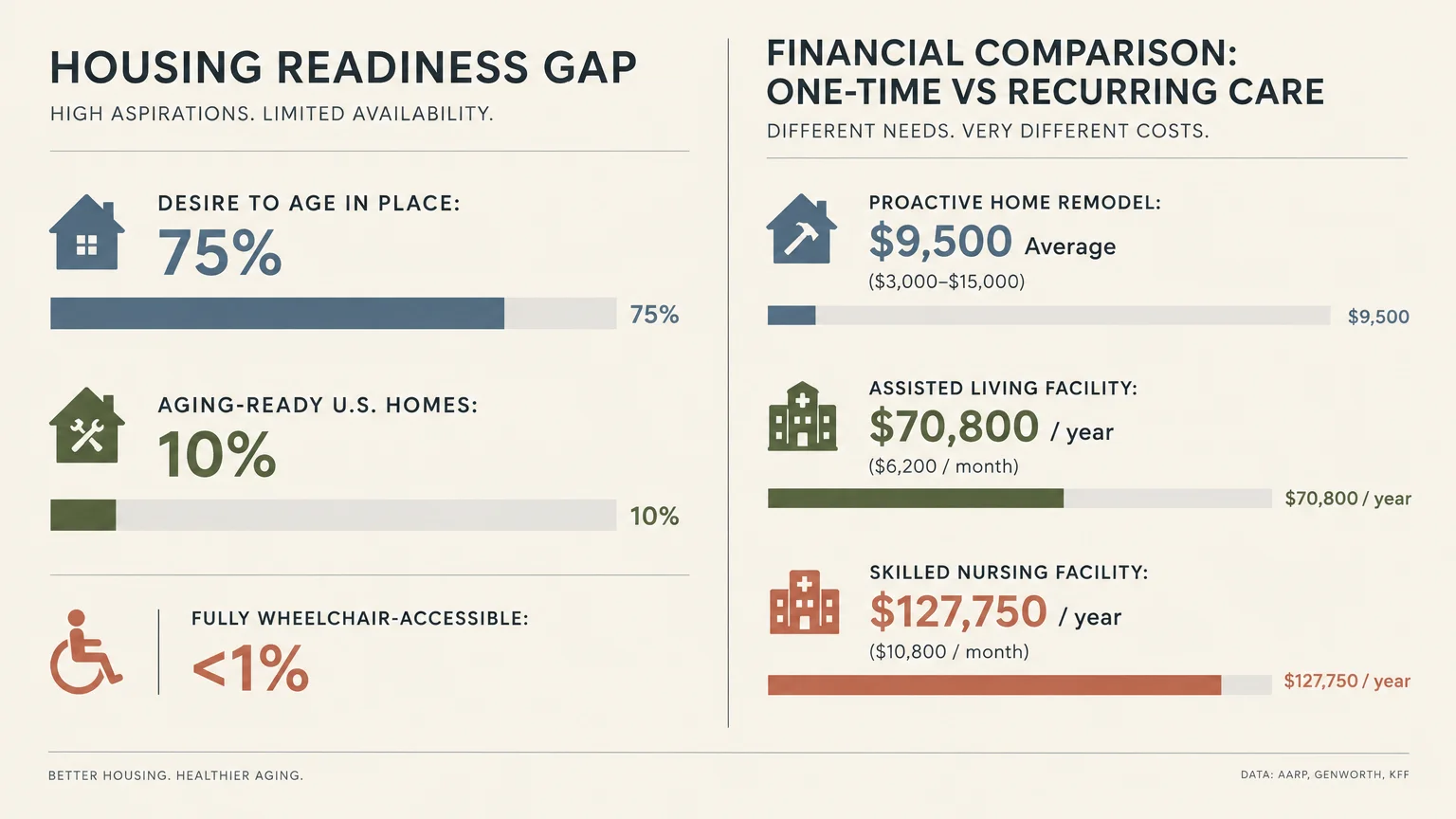
According to research from AARP, 75% of adults aged 50 and older want to remain in their current homes as they age. Furthermore, 73% express a strong desire to stay within their local communities.
Despite these aspirations, 44% of older adults expect that moving will eventually become inevitable due to layout barriers and high maintenance costs. A 2025 survey from U.S. News & World Report showed that 94% of adults aged 55 and older consider aging in place an important personal goal.
Unfortunately, standard American housing stock rarely accommodates changing physical abilities. Data from the U.S. Census Bureau reveals that only 10% of U.S. homes qualify as aging-ready with basic accessibility features.
Less than 5% of existing homes can accommodate individuals with moderate mobility difficulties; less than 1% are fully wheelchair-accessible. These structural barriers create immense daily stress for aging residents.
Research from the Harvard Joint Center for Housing Studies highlights this mounting challenge. Approximately 6.8 million U.S. households currently experience physical difficulty navigating their residential layouts.
Among these struggling households, 4.2 million encounter trouble simply entering the home; 3.3 million face obstacles inside the bathroom; and 3.2 million struggle to cook inside the kitchen.
Physical hazards inside the home lead to severe health consequences. Data from the Centers for Disease Control and Prevention indicates that more than 14 million older adults fall annually, representing roughly 1 in 4 seniors.
Approximately 1 in 5 falls causes severe harm, including traumatic brain injuries and fractured bones. These accidents account for over 3 million to 3.85 million emergency department visits and 800,000 hospitalizations each year.
Preventable accidents carry devastating consequences. Tabulations from the National Safety Council show that 43,020 older adults died from preventable falls in 2024, reflecting a dramatic 51% increase over a ten-year span.
Upgrading your residence delivers immense financial value when compared to commercial care options. A typical aging-in-place remodel costs between $3,000 and $15,000, averaging roughly $9,500 for standard modifications.
Even extensive structural overhauls ranging from $15,000 to $50,000 or more cost far less than residential care facilities. The median national cost for an assisted living facility runs approximately $6,200 per month, totaling more than $70,800 annually.
A private room in a skilled nursing home averages $10,800 monthly, exceeding $127,750 per year. Removing obsolete home features protects your physical well-being while shielding your hard-earned retirement assets.
Tools, Materials, and Prep Checklist
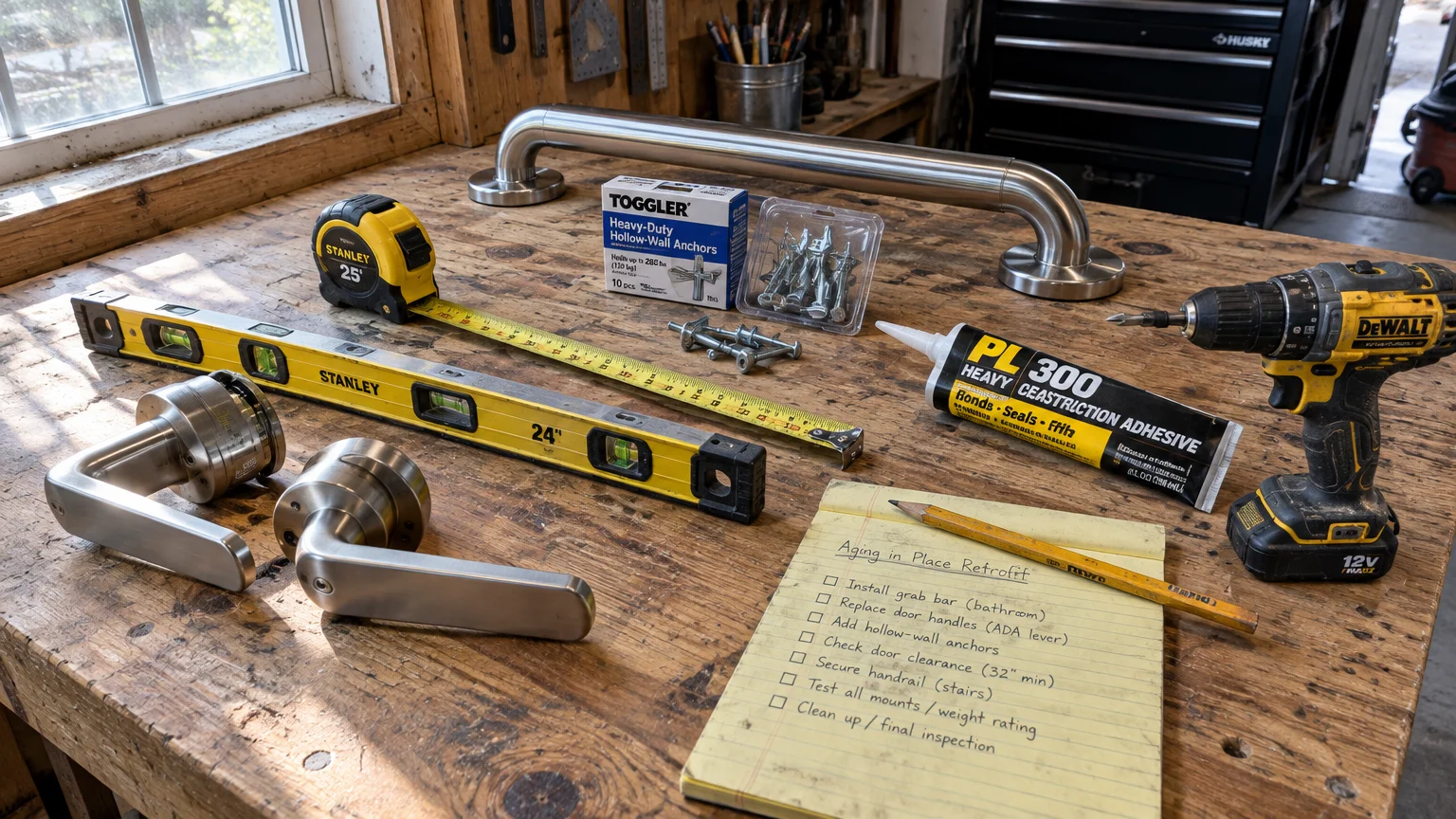
Tackling home modifications requires specific tools to complete installations safely and securely. You should assemble these supplies before taking on physical demolition or installing accessibility hardware.
Invest in a reliable cordless drill, an impact driver, and a magnetic bit set. A 4-foot bubble level and an accurate digital stud finder are essential for anchoring heavy fixtures securely.
You also need a heavy-duty tape measure, a utility knife, and basic hand tools like wrenches and screwdrivers. Wear personal protective equipment, including polycarbonate safety glasses, dust masks, and cut-resistant work gloves during all work.
Material choices must focus on long-term durability and slip resistance. Select commercial-grade grab bars with textured gripping surfaces; these cost approximately $50 to $200 each.
Purchase slip-resistant surface treatments or textured porcelain floor tiles, which typically cost between $200 and $600 for standard bathroom footprints. Acquire motion-activated pathway lighting and automatic nightlights, which average between $100 and $500 for whole-home coverage.
Plan for exterior access by sourcing pressure-treated lumber, aluminum ramp components, and slip-resistant tread tape. Installing an exterior wheelchair ramp generally costs between $1,000 and $3,000 depending on overall run length.
Purchase expandable swing-clear hinges or complete pre-hung doors to widen interior pathways. Professional doorway widening projects usually run from $300 to $2,500 per doorway based on whether walls carry structural loads.
Preparation begins with a thorough home safety assessment. Walk through every living zone with a notepad to record trip hazards, narrow pathways, and awkward hardware configurations.
Shut off electrical circuits at your main breaker panel before altering light switches or wiring fixtures. Turn off local plumbing supply valves before disconnecting sinks, supply lines, or tub controls.
Check with your local building inspection office before removing framing or modifying structural openings. Pulling proper municipal permits ensures your upgrades comply with local residential building codes.
Step-by-Step Instructions
1. Deep Soaking Bathtubs and High Shower Curbs
Stepping over a high tub edge requires single-leg balance on slick, wet surfaces. Because 3.3 million households struggle with bathroom navigation, deep tubs represent one of the greatest fall hazards in your home.
Converting a traditional bathtub to a low-threshold walk-in shower or accessible tub typically costs between $5,000 and $12,000. A comprehensive accessible bathroom remodel involving plumbing relocation and zero-barrier drainage averages between $15,000 and $30,000.
Begin by shutting off your bathroom water supply and removing the existing tub enclosure. Clear the framing down to the wall studs to inspect for moisture damage and mold growth.
Install solid horizontal wood blocking between wall studs to create secure mounting points for safety hardware. Fasten ADA-compliant grab bars directly into these structural blocks rather than relying on plastic drywall anchors.
2. Multi-Story Living and Steep Interior Stairs
Climbing stairs places severe stress on aging knees, hips, and lower back muscles. Navigating vertical levels becomes hazardous when balance declines or sudden joint pain flares up.
Installing a motorized mechanical stairlift along an existing stairway costs between $3,000 and $10,000. If you require full vertical transport, adding a residential home elevator averages between $30,000 and $50,000.
Many homeowners prefer converting a ground-floor den, office, or dining room into a primary bedroom suite. A first-floor bedroom conversion generally runs between $5,000 and $15,000 depending on closet framing and electrical requirements.
Begin your stair modification by securing loose runner carpeting and replacing worn treads. Fasten continuous handrails along both sides of the staircase, extending rails slightly past the top and bottom risers.
3. Sunken Living Rooms and Single-Step Drop-Offs
Mid-century sunken living rooms create unexpected elevation changes that catch walking feet. Single-step transitions lack visual contrast and cause frequent missteps in low lighting conditions.
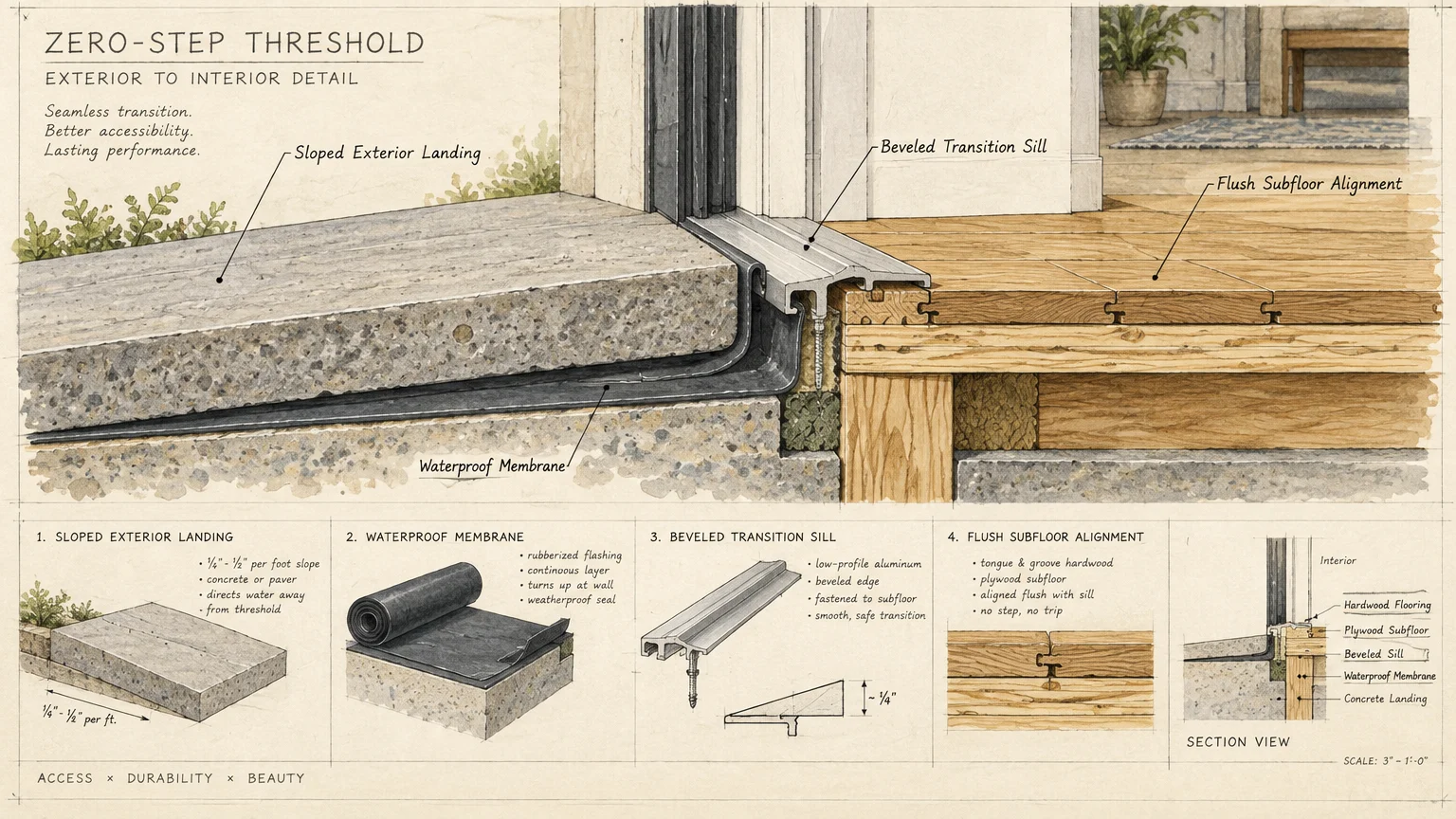
Eliminate the drop-off by building up the lower floor framing to match the adjacent level. Fasten treated sleeper joists directly over the concrete slab or existing subfloor using concrete anchor screws.
Install three-quarter-inch tongue-and-groove plywood subflooring over your new joists to create a continuous, level plane. Secure the seams with construction adhesive and subfloor screws to prevent annoying floor squeaks.
If framing out the floor exceeds your budget, install high-contrast aluminum transition strips along the edge immediately. Add low-voltage LED strip lights beneath the lip to illuminate the step clearly at night.
4. High-Maintenance Lawns and Sprawling Grounds
Mowing expansive turf, pulling invasive weeds, and pushing heavy spreaders consumes significant physical energy. Routine exterior home upkeep costs homeowners an average of $2,000 to $5,000 per year.
Retirees often regret spending fixed retirement income on seasonal yard crews and specialized landscaping equipment. Transitioning your grounds to low-maintenance landscaping frees up physical energy and protects your budget.
Delineate smaller lawn zones and replace redundant turf with drought-tolerant native perennials and decorative groundcovers. Lay commercial weed barrier fabric across planting beds and top with a thick three-inch layer of bark mulch.
Install automated drip irrigation lines controlled by smart Wi-Fi timers to eliminate dragging heavy garden hoses across the yard. Group moisture-loving plants together to optimize water delivery and minimize hand weeding.
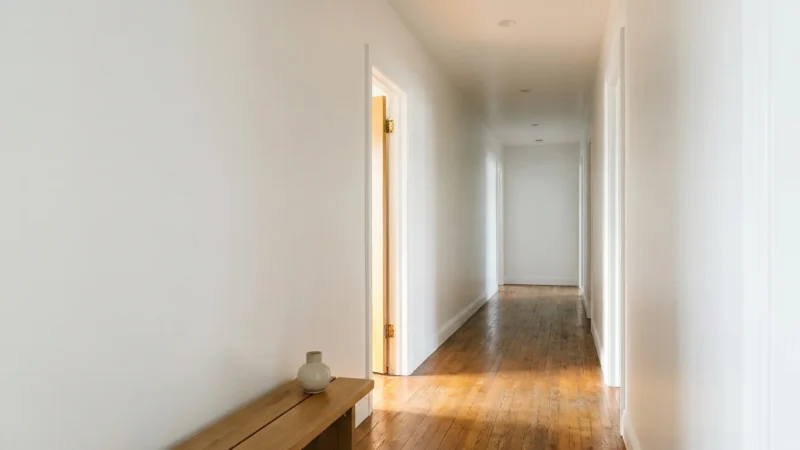
5. Narrow Doorways and Constricted Hallways
Standard 28-inch interior doorways cannot accommodate rolling walkers, transport chairs, or standard wheelchairs. The Census Bureau reports that less than 1% of American homes offer full wheelchair accessibility.
Widening a doorway to achieve an accessible 32-to-36-inch standard opening costs between $300 and $2,500 per doorway. Non-load-bearing partitions cost far less to reframe than central structural bearing walls.
You can quickly gain two inches of clear opening width by replacing standard hinges with expandable swing-clear hinges. These specialty hinges swing the open door completely outside the frame pocket.
To widen the frame permanently, cut away the casing trim and remove the interior drywall reveal. Reframe the structural jack and king studs, hang a 36-inch pre-hung door unit, and patch the surrounding wallboard.
6. High Kitchen Cabinets and Deep Lower Base Shelves
Reaching overhead for heavy cookware strains your shoulders and increases the risk of balance loss on step stools. Meanwhile, bending down to dig through dark base cabinets places excessive pressure on fragile spinal discs.
Harvard JCHS data reveals that 3.2 million U.S. households experience significant physical difficulty using their kitchens. Eliminating awkward storage configurations restores cooking safety and daily convenience.
Retrofit deep base cabinets with full-extension ball-bearing sliding drawers and heavy-duty wire pull-out baskets. These retrofits bring hidden pots and dry goods out into the open with gentle fingertip pressure.
Relocate everyday dishes, glassware, and spices to countertops or lower shelves positioned between waist and eye level. Store rarely used holiday items in closets or donate them to free up accessible shelf space.
7. Dim Lighting and Poorly Placed Wall Switches
Aging eyes experience gradual corneal yellowing and pupil shrinkage, requiring significantly more light to distinguish details and shadows. Inadequate ambient lighting conceals floor hazards and drastically increases indoor fall risks.
Upgrading to motion-activated pathway lighting and higher-output fixtures costs roughly $100 to $500 across key living areas. Modern LED technology provides bright, glare-free illumination without spiking your monthly electric bill.
Replace old toggle switches with wide, illuminated rocker switches mounted at accessible 42-inch heights. These rocker panels respond effortlessly to an elbow or forearm press when your hands are full.
Install automated plug-in nightlights along hallways, stairwells, and pathways between your bed and the bathroom. Mount battery-operated or hardwired LED puck lights underneath upper kitchen cabinets to illuminate prep counters.
8. Steep Entryway Steps Lacking Zero-Threshold Access
Exterior entry steps present a grueling barrier when returning home with heavy grocery bags or mobility aids. Entering the home poses serious challenges for 4.2 million households nationwide.
Constructing a wooden or modular aluminum wheelchair ramp costs between $1,000 and $3,000 depending on rise and materials. Ramp runs require twelve inches of horizontal length for every single inch of vertical threshold rise.
If you prefer an integrated architectural design, create an earthen berm walkway that gently slopes to your front door. Grade the surrounding landscape with crushed aggregate and concrete pavers to achieve a step-free entrance.
Ensure that exterior doors feature low-profile threshold plates measuring one-half inch high or less. Seal around the threshold base with flexible polyurethane exterior caulk to stop draft infiltration and water leaks.
9. Slick Polished Stone and High-Gloss Tile Floors
Polished marble, slick granite, and glossy porcelain tiles become exceptionally slippery when exposed to tracked-in rain or bathroom moisture. Slippery surfaces contribute directly to the 14 million older adult falls documented annually by the CDC.
Treating slippery hard surfaces with non-slip chemical etchings or anti-slip sealants costs between $200 and $600 per room. These penetrating treatments create microscopic suction textures that boost grip without ruining stone appearance.
When renovating floors completely, select luxury vinyl plank with embossed grain patterns or slip-resistant porcelain tiles. Check tile ratings to confirm a Dynamic Coefficient of Friction value of 0.42 or higher when wet.
Remove loose decorative throw rugs from entry foyers, kitchens, and hallways immediately. If you choose to keep decorative mats, anchor their perimeters firmly using heavy-duty double-sided rug tape.
10. High-Reach Windows and Awkward Awning Cranks
Leaning across deep furniture to muscle stuck double-hung window sashes upward strains the rotator cuffs and lower back. Defective window counterbalances can cause sashes to slam shut unexpectedly onto fingers.
Inspect existing double-hung windows for binding frame components and damaged sash cords. Spray silicone lubricant along the vinyl jamb liners to help heavy wood sashes glide upward smoothly.
Consider replacing awkward double-hung units with smooth crank-operated casement windows positioned at lower wall heights. Casement mechanisms use folding crank handles that operate effortlessly with minimal wrist torque.
For windows situated behind deep kitchen counters or tall soaker tubs, install motorized aftermarket window operators. These compact electric drives open and latch your windows using a handheld remote control or wall switch.
11. Round Door Knobs and Twist-Turn Water Faucets
Arthritis, carpal tunnel syndrome, and reduced grip strength turn standard round brass door knobs into painful obstacles. Trying to twist slippery chrome faucet knobs with soapy hands presents a similar daily struggle.
Swap all round door knobs throughout your home for commercial-grade lever-action passage sets. Lever latches open easily under downward forearm pressure, making room entry effortless for tired hands.
Replace traditional two-handle bathroom and kitchen faucets with single-handle lever mixers. Single-lever valves let you control both water volume and water temperature using smooth, intuitive motions.
Consider installing hands-free touchless kitchen faucets equipped with infrared proximity sensors. These automated fixtures run water automatically when you place your hands beneath the spout, keeping workspace areas cleaner.
12. Oversized Vacant Bedrooms and Cavernous Attics
Holding on to vacant second-floor bedrooms after adult children move out wastes energy and inflates maintenance costs. Empty spaces gather dust, house unneeded clutter, and require constant vacuuming and conditioning.
Annual home maintenance averages between $2,000 and $5,000 per year, and larger footprints drive those costs higher. Conditioning unused rooms forces your HVAC equipment to run continuously, increasing utility expenses.
Begin closing off HVAC supply dampers inside vacant guest rooms to redirect heated or conditioned air to primary zones. Shut room doors and draw window shades to prevent thermal heat transfer during extreme summer and winter seasons.
Sort through stored attic clutter and donate unwanted furniture, clothing, and excess kitchenware to local charities. Downsizing unused personal property lightens your mental load and simplifies future downsizing transitions.
13. High-Maintenance Multi-Level Wood Decks
Multi-tiered pressure-treated wood decks demand ongoing seasonal pressure washing, scraping, sanding, and staining. Decaying boards, popped structural nails, and splintering handrails create dangerous physical hazards over time.
Exposure to moisture breaks down standard wood decking, requiring costly board replacements every few years. Neglected deck steps and loose railing posts cause severe outdoor falls among older homeowners.
Upgrade worn wooden deck surfaces with high-performance composite or capped polymer decking boards. Composite decking resists rot, eliminates splinters entirely, and cleans easily with soap and water.
Install sturdy aluminum railing systems with integrated top-rail profile grips. Add low-voltage LED riser lights to every deck step to keep outdoor entertaining safe well past sundown.
Style & Finishing Touches
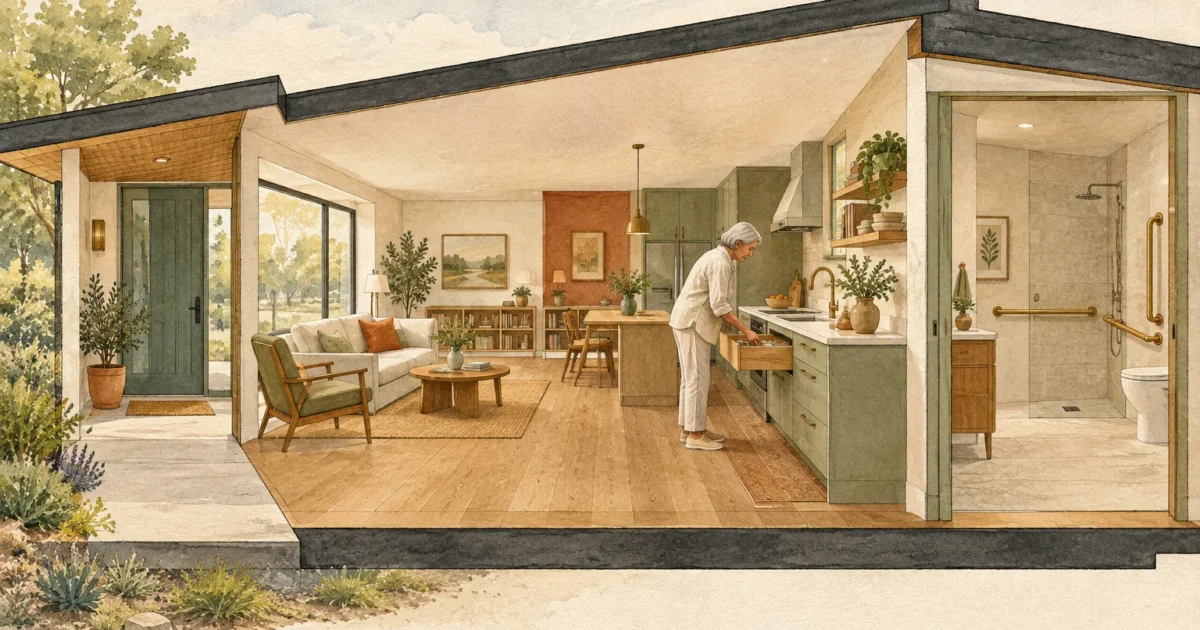
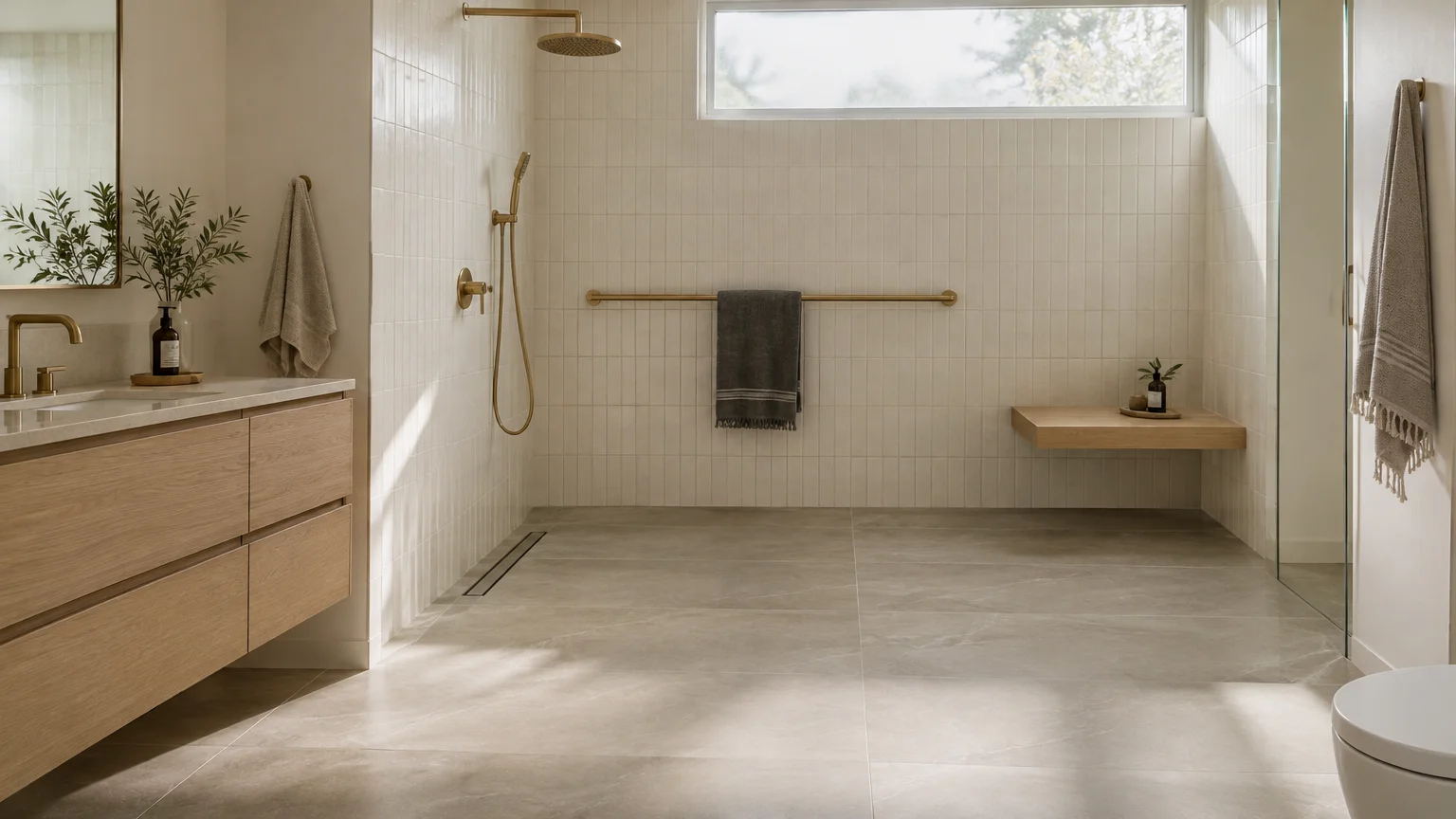
Accessible home modifications do not have to resemble clinical hospital wards or institutional facilities. Modern manufacturers offer universal design products that integrate seamlessly into contemporary residential aesthetics.
Choose decorative grab bars finished in matte black, champagne bronze, or brushed nickel. Many modern grab bars double discreetly as towel warmers, soap dishes, and toilet paper holders.
Paint door frames, baseboards, and handrails in contrasting colors to help aging eyes identify elevation shifts and room boundaries. Using a crisp semi-gloss white trim paint against darker wall tones creates sharp spatial orientation.
Select satin or eggshell wall finishes rather than high-gloss paints to minimize harsh light reflections. Diffused lighting bounces softly across matte surfaces, reducing eyestrain and eliminating disorienting floor glares.
Maintenance & Long-Term Care
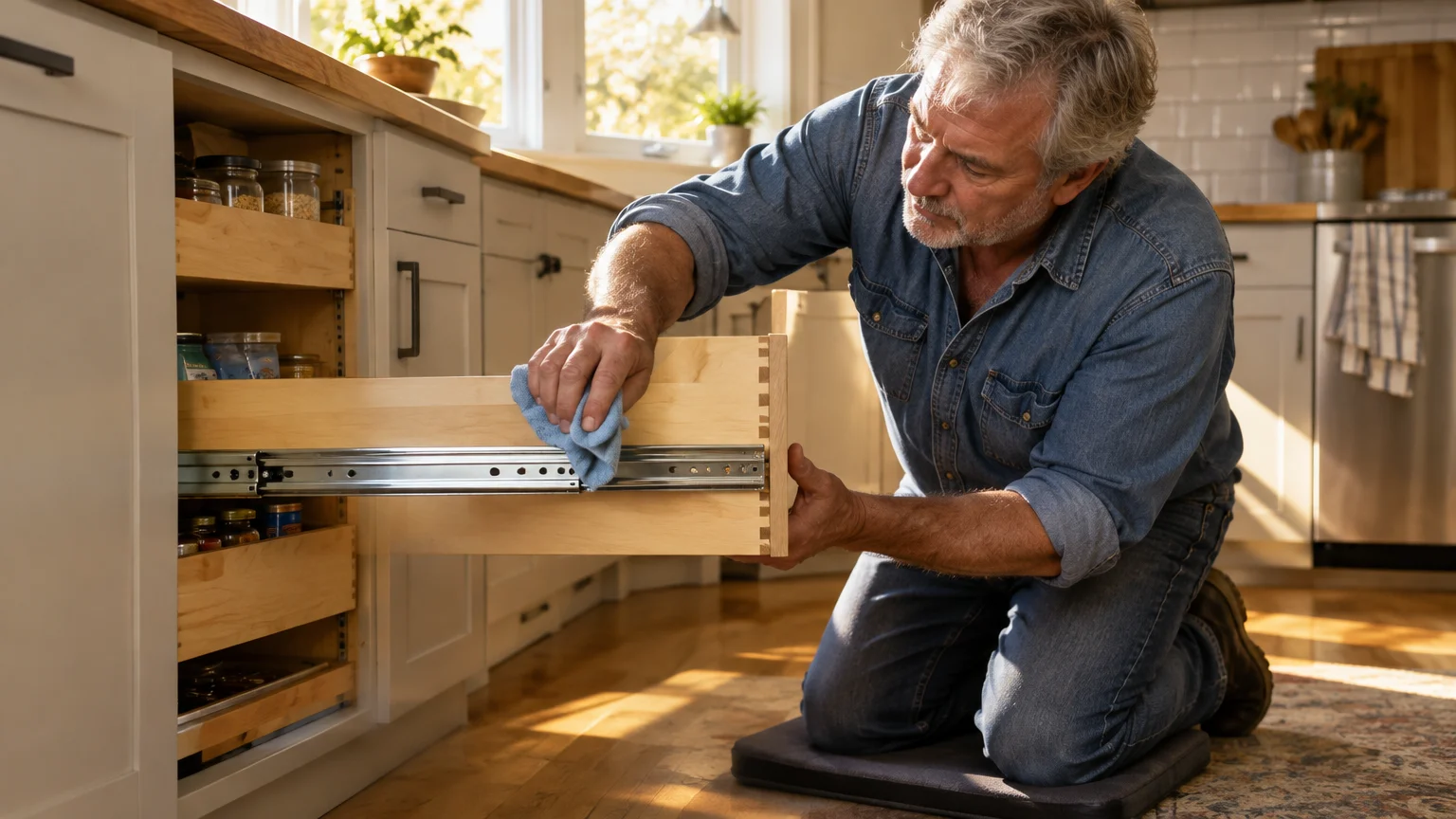
Keeping safety modifications performing reliably requires simple seasonal maintenance routines. Inspect all wall-mounted grab bars and handrails twice a year to verify that mounting brackets remain tight.
Clean slip-resistant flooring using neutral-pH tile cleaners rather than oil-based soaps or floor waxes. Waxes fill in microscopic traction pores, severely diminishing slip resistance on bathroom tile surfaces.
Test motion-activated pathway sensors monthly and replace backup batteries before winter arrives. Keep spare LED light bulbs on hand so you can replace burnt-out illumination fixtures immediately.
Flush zero-threshold shower drain channels regularly to prevent hair and soap scum from impeding water flow. Clean linear drain filter baskets weekly to ensure graywater drains rapidly without overflowing into bathroom walkways.
FAQ
What is the most dangerous home feature for aging adults?
Traditional deep bathtubs with high thresholds pose the greatest fall hazard in standard homes. The CDC identifies bathroom slips as a primary source of severe injury among older homeowners.
How much does a complete aging-in-place renovation cost?
Standard aging-in-place home modifications range from $3,000 to $15,000, with an average project investment of $9,500. Major structural modifications, such as elevators or full layout reconfigurations, range from $15,000 to $50,000 or more.
Can I widen doorways without knocking down walls?
Yes, you can install expandable swing-clear hinges on existing door jambs for a fraction of the cost. These hinges swing door panels clear of the frame opening, adding up to two inches of usable clearance.
Is modifying my current home cheaper than moving to senior living?
Yes, home modifications cost significantly less than ongoing senior facility fees. Assisted living facilities average $6,200 per month, while private rooms in nursing homes average $10,800 monthly.
Which safety modifications provide the highest return on investment?
Walk-in shower conversions, main-floor bedroom additions, and wide entry pathways offer exceptional returns. These universal design features appeal to buyers of all ages while ensuring long-term accessibility.
Takeaway & Next Steps
Auditing your living space today protects your independence, safeguards your health, and preserves your financial security. Removing dangerous, high-maintenance features ensures your home remains a sanctuary rather than a source of stress.
Start your home safety transformation by taking three immediate, low-cost actions this weekend:
First, replace round interior door knobs with ergonomic lever-style handles to relieve daily wrist strain. Second, add automatic plug-in LED nightlights along all dark hallways and bathroom pathways. Third, remove loose throw rugs from hard floors to eliminate dangerous trip edges immediately.
Have you updated your home to support comfortable retirement living? Share your before-and-after renovation photos with our community, or subscribe to our newsletter for weekly home improvement guides and maintenance strategies.