Step-by-Step Instructions
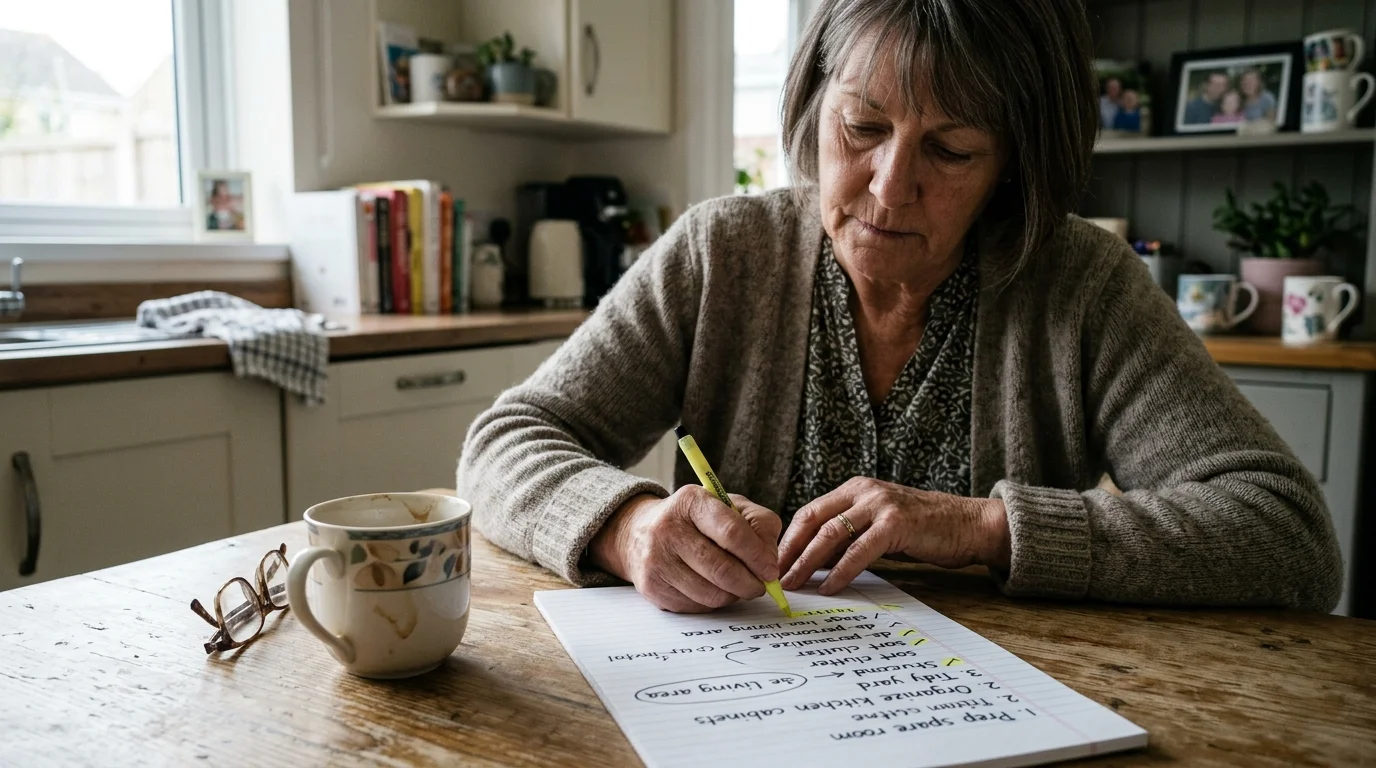
Preparing your home involves strategic curation rather than total elimination. Follow these phases to preserve the top ten staging assets while removing visual noise and excess clutter before listing house assets on the open market.
Phase 1: Curate the Core Furniture Anchors
1. Proportional Living Room Sofas: Never remove your main sofa if it fits the room comfortably. The living room is the single most critical space for 37% of buyers. A well-placed sofa establishes room scale, defines seating flow, and gives buyers an immediate reference point for room dimensions. If your sofa shows minor surface wear, dress it with a neutral throw blanket rather than banishing it to storage.
2. Dining Tables and Chairs: Open-concept floor plans frequently confuse buyers regarding dining boundaries. Keep your dining table and at least four coordinating chairs in place. Setting up a clearly defined dining zone reassures buyers that the home supports entertaining and daily family meals.
3. Primary Bed and Headboard: The primary bedroom ranks as the second most vital staging area for 83% of agents. Keep the bed, mattress, and headboard set up against the main focal wall. An empty bedroom looks deceptively cramped; a queen or king bed visually proves that large furniture fits easily.
Phase 2: Preserve Visual Warmth and Architectural Framing
4. Tailored Window Treatments: Do not strip away curtains and rods unless they are heavily dated, dark velvet drapes. Floor-length neutral drapery panels frame exterior views, draw the eye upward to emphasize ceiling height, and soften acoustics in echoing rooms. Keep them open and pushed back to maximize natural sunlight.
5. Properly Scaled Area Rugs: Area rugs anchor furniture groupings and unify disparate design elements. Keep clean, neutral rugs that extend beneath the front legs of your seating furniture. Rugs protect flooring during high-traffic open houses and define distinct zones across modern open floor plans.
6. Multi-Layered Lighting Fixtures: Table lamps and floor lamps provide critical ambient glow. Relying solely on harsh overhead recessed lights creates unflattering shadows. Keep functional lamps on side tables, nightstands, and console tables to create a warm, inviting atmosphere during evening showings.
Phase 3: Maintain Emotional Connection and Spatial Flow
7. Large-Scale Neutral Artwork: Blank walls make a home feel abandoned and institutional. Keep high-impact artwork featuring subtle landscapes, architectural sketches, or soft abstracts. Ensure the art hangs at eye level with the center point roughly 57 to 60 inches from the floor to create balanced focal points.
8. Strategic Wall Mirrors: Keep decorative mirrors positioned opposite windows or in narrow hallways. Mirrors reflect incoming sunlight, brighten dark corridors, and double the perceived visual depth of smaller rooms like powder baths and entryways.
9. Healthy Houseplants and Greenery: Living botanicals inject color, freshness, and life into interior photography. Keep healthy potted ferns, snake plants, or fiddle-leaf figs on plant stands or corner tables. Avoid fake plants covered in dust, which send the wrong signal about home maintenance.
10. Entryway Console Tables or Benches: First impressions occur within seven seconds of walking through the front door. Keep a slender console table or bench in the foyer. It provides a welcoming drop zone and immediately signals that the property contains thoughtful storage solutions.
Phase 4: Troubleshooting and Safe Sorting
When deciding between what to keep and items to hide when selling house, focus on scale and condition. If a piece of furniture blocks natural walking pathways, downsize it immediately. Relocate overflowing laundry baskets, personal medicine bottles, stacks of mail, and pet crates to designated storage bins out of sight. If certain large furnishings cannot be repurposed, arrange for off-site temporary storage to preserve room proportions.