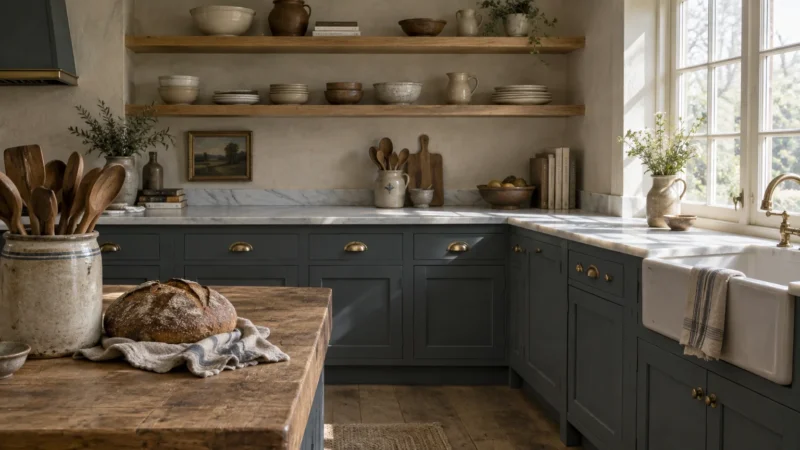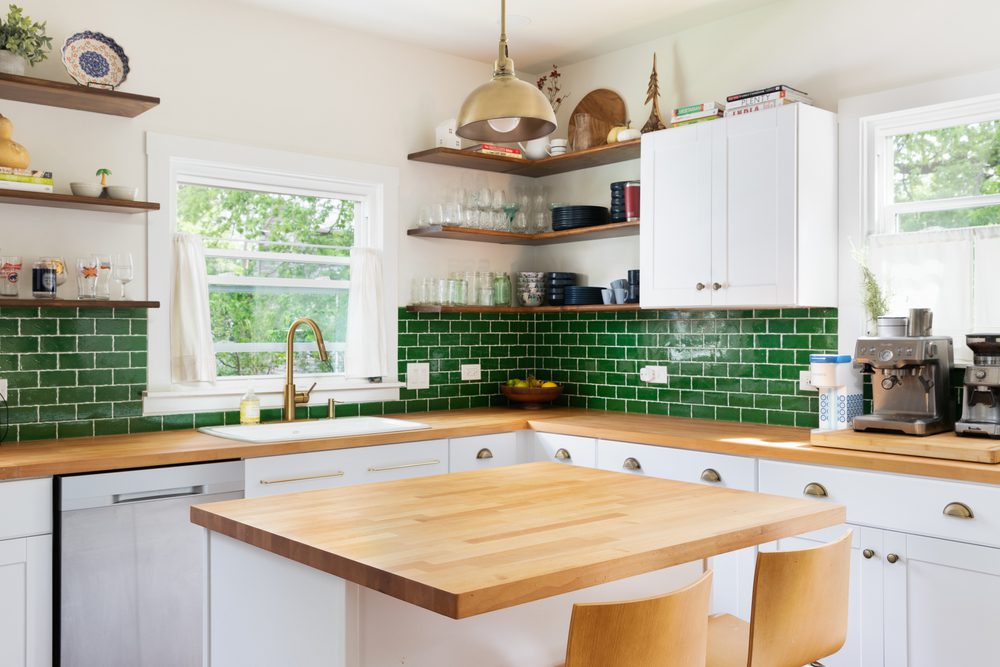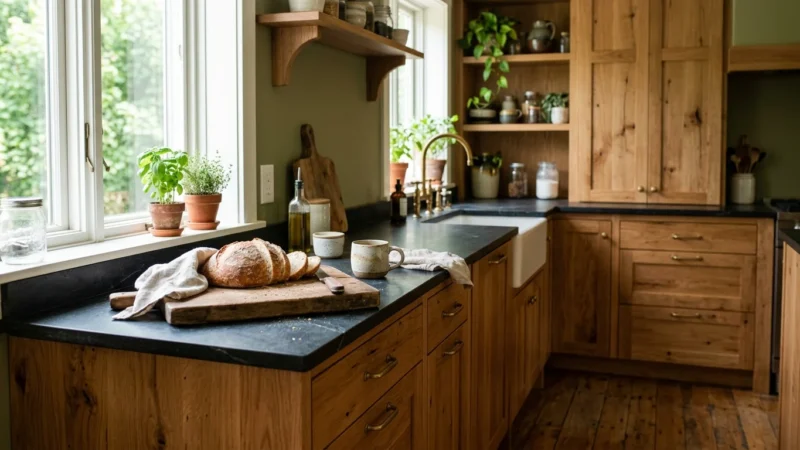
You can turn flat, lifeless builder beige into an inviting sanctuary by pairing it with strategic accent shades. Layering the right warm undertones transforms your space without forcing you to repaint every single surface.
Whether your beige walls lean toward gray, yellow, or pink, rich complementary tones restore visual depth and balance throughout the room. You will create a cozy environment that feels intentional rather than neglected.
Explore these proven paint colors and practical application techniques to update beige walls and revitalize your living space today.
Project Overview & Why It Matters
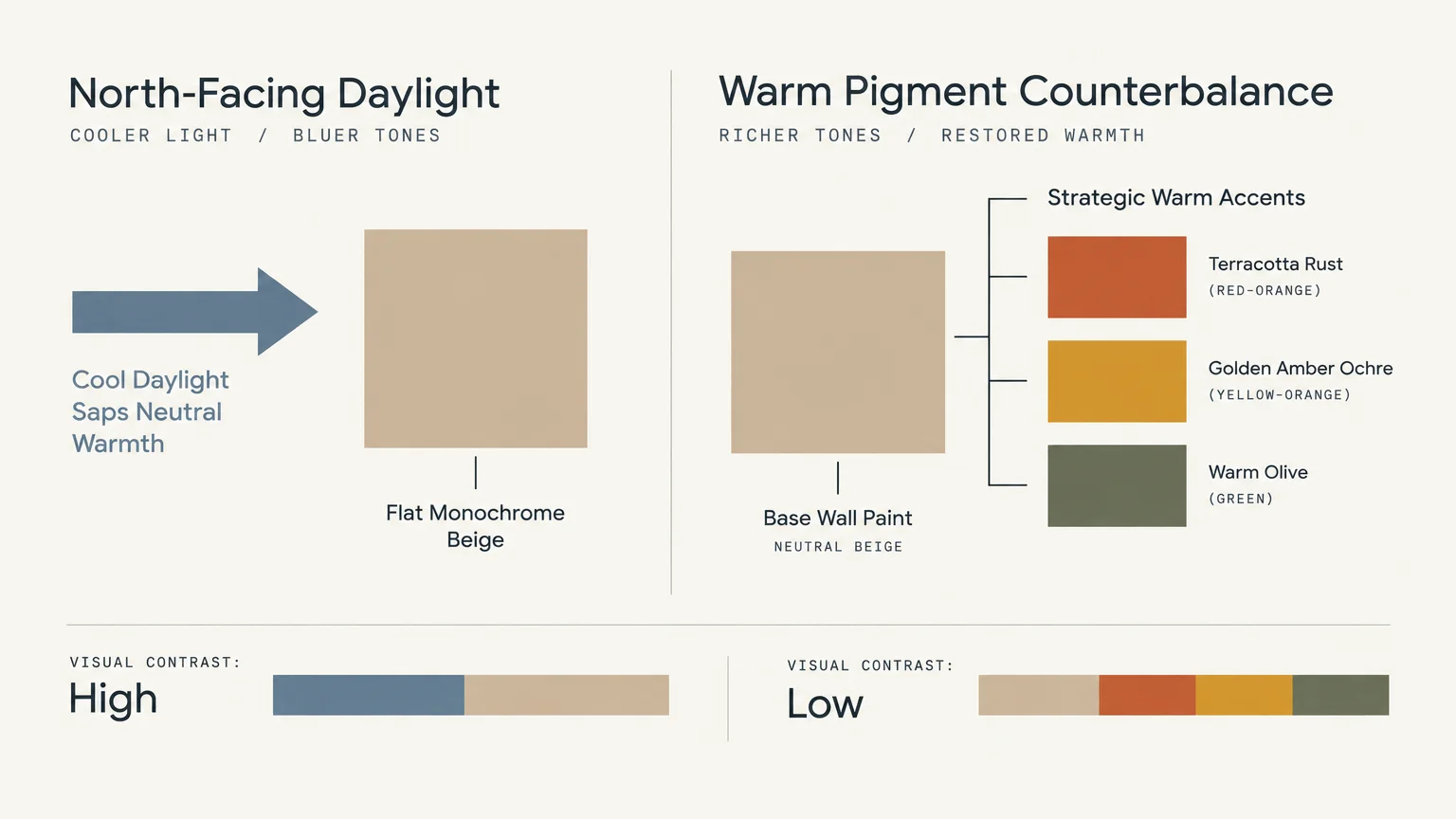
Many homes feature generic beige walls that read as muddy or cold under standard indoor lighting. You can warm up beige room surfaces by introducing pigments that activate the subtle undertones already present in your drywall.
A monochrome beige room often lacks visual contrast; the eye finds nowhere to rest. Adding vibrant or deep companion shades breaks up expansive wall areas and establishes distinct focal zones.
North-facing rooms suffer most from flat beige finishes because cool daylight saps the warmth from neutral pigments. Introducing radiant accent tones restores lost energy and keeps your interior from feeling dingy on overcast days.
Consider your flooring materials before committing to an accent paint color. Hardwood floors with amber tones or stone tiles with warm veining provide natural cues for your complementary color choices.
You also protect your budget by enhancing existing wall paint instead of stripping an entire floor plan. Repainting targeted focal points or adjacent trim delivers maximum visual impact for minimal investment.
Modern design embraces layered neutrals rather than sterile, single-shade palettes. Exploring creative beige room ideas allows you to craft a customized interior full of character and architectural interest.
Strategic color placement can also alter the perceived proportions of a room. Painting a far wall in a warmer, darker hue brings the surface visually closer to create an intimate atmosphere.
Tools, Materials, and Prep Checklist
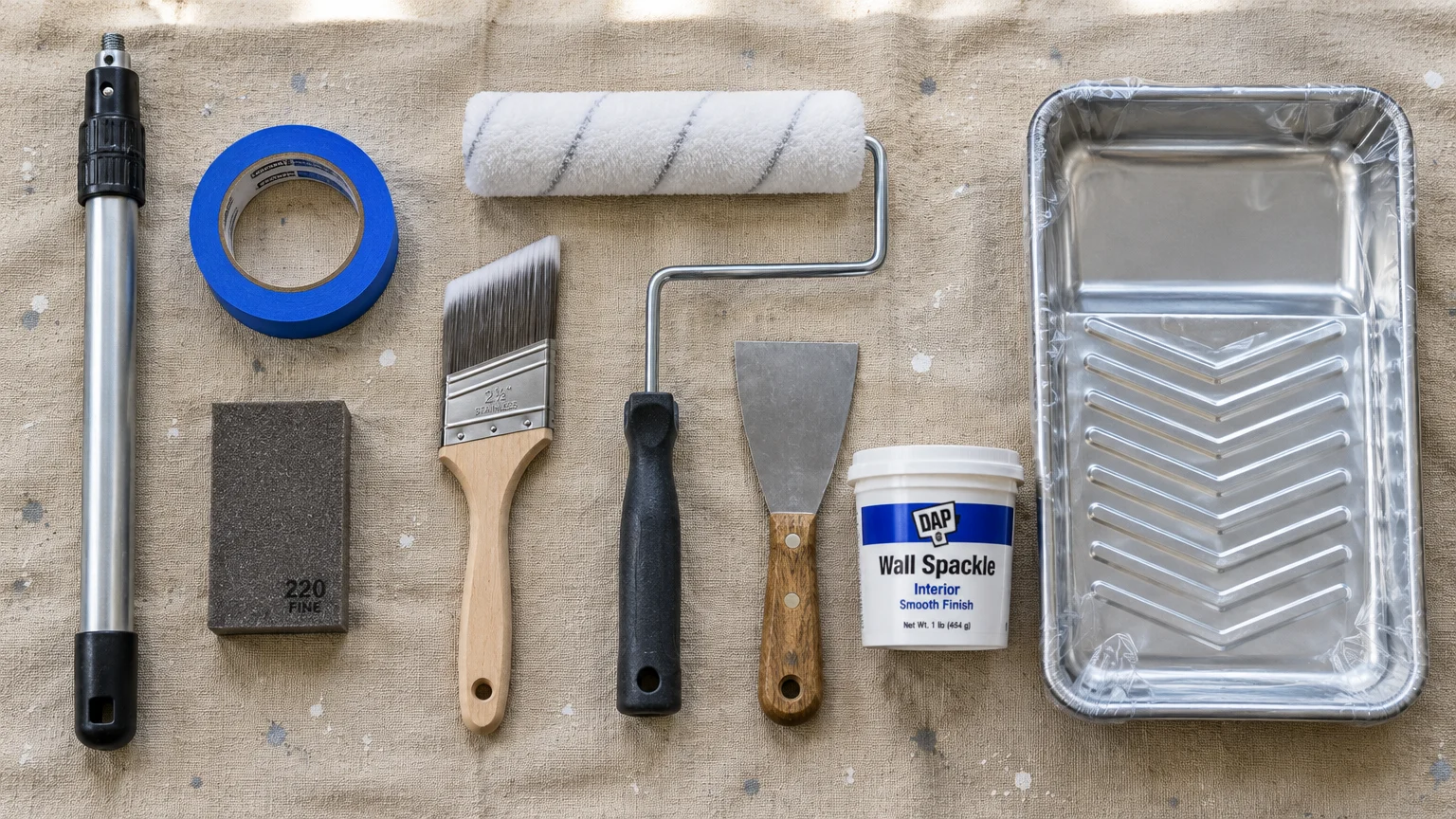
Executing a flawless paint job requires high-grade equipment that ensures crisp edges and even coverage. Gather your supplies before you begin to keep your project efficient and organized.
Angled Sash Brush: Invest in a two-and-a-half-inch synthetic brush for precise cut-in work along ceilings, corners, and baseboards.
Roller Setup: Use a nine-inch roller frame equipped with a three-eighths-inch nap microfiber cover for smooth, lint-free application on interior drywall.
Extension Pole: Attach an adjustable four-foot to eight-foot extension pole to your roller frame. Working with a pole maintains continuous pressure and prevents ladder fatigue.
Surface Protection: Lay heavy-duty canvas drop cloths across floors and furniture rather than flimsy plastic sheets that tear and create slip hazards.
Painter Tape: Choose high-adhesion edge-lock painter tape to guarantee razor-sharp lines without pulling cured paint off your existing walls.
Cleaning Agent: Mix a mild solution of trisodium phosphate alternative with warm water to strip grease, dirt, and dust from wall surfaces.
Patching Supplies: Keep lightweight spackle, a flexible putty knife, and 220-grit sanding sponges handy to fill small nail holes and smooth imperfections.
Quality Primer: Apply a stain-blocking latex primer if you plan to paint deep, saturated colors over lighter beige drywall.
Paint Tray and Liners: Buy a sturdy metal tray with disposable liners for quick clean-up between painting sessions.
Safety Gear: Wear protective safety glasses to shield your eyes from paint spatter; wear a dust mask when sanding patched drywall areas.
Step-by-Step Instructions
Follow a systematic painting sequence to achieve professional results on your accent surfaces. Methodical execution saves time and prevents costly repainting errors.
Phase 1: Surface Preparation and Cleaning
Inspect your walls for dust, cooking oils, and scuffs that prevent paint from adhering properly. Scrub the drywall using a damp sponge dipped in your diluted cleaning solution.
Rinse your sponge with clear water to lift residual soap film, then let the wall dry completely. Patch any drywall dings with spackle and sand them smooth once dry.
Wipe away all sanding dust using a dry microfiber cloth or tack cloth. Residual gypsum dust ruins paint adhesion and creates a gritty surface texture.
If your home was built before 1978, test existing layers for lead paint before sanding; check the EPA Lead Guidelines for safe handling procedures.
Phase 2: Masking and Priming
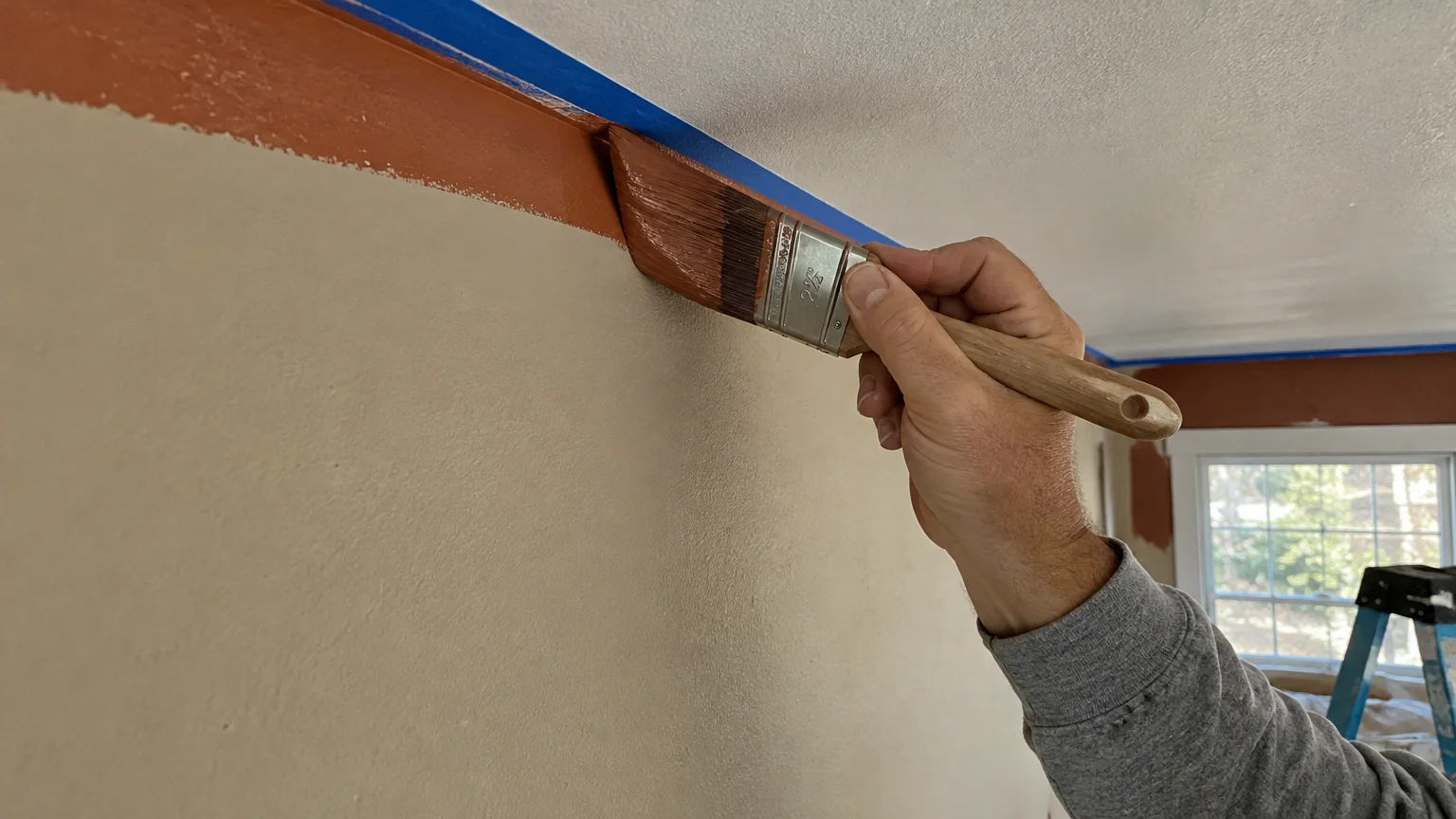
Apply painter tape along door frames, baseboards, and ceiling lines with firm pressure. Run a clean putty knife across the tape edge to burnish the seal and prevent paint bleed.
Spot-prime patched areas to prevent flashing, which appears as dull spots on your finished sheen. If you transition between radical color tones, apply a tinted primer across the entire wall.
Tinting your primer toward the final accent color reduces the number of finish coats required. This step proves essential when applying dark greens, deep rusts, or charcoal tones.
Phase 3: Cutting In and Rolling
Cut in along edges and corners with your angled sash brush, working in manageable sections. Maintain a wet edge by rolling the open wall area immediately after cutting in.
Load your roller evenly and apply paint using overlapping vertical patterns shaped like a loose letter W. This distributes paint uniformly across the wall without leaving heavy lap marks.
Avoid pressing the roller aggressively against the drywall, which squeezes excess paint out into noticeable ridges. Let the paint-saturated nap transfer pigment smoothly onto the surface.
Allow the first coat to dry according to the manufacturer guidelines on the paint can. Apply a second coat to ensure complete pigment saturation and rich color depth.
Phase 4: Clean Up and Troubleshooting
Pull your painter tape away at a forty-five-degree angle while the second coat remains slightly damp. If the paint has dried, score the tape edge gently with a utility knife.
If you notice paint runs or drips, let them dry fully before sanding flat and dabbing on a light touch-up coat. Always ensure adequate cross-ventilation by cracking windows during application.
Style & Finishing Touches
Transforming a room requires selecting the ideal paint colors with beige that match your room architecture and light exposure. Here are twelve exceptional shades that bring warmth and sophistication to beige spaces.
1. Earthy Terracotta
Terracotta infuses clay-fired richness into spaces washed out by pale beige. Its grounded red-orange undertones create an inviting atmosphere that flatters surrounding wood furnishings and neutral textiles.
Use terracotta on an accent wall behind a sofa or dining table to anchor the room. Pair it with creamy linen drapes and matte black hardware to balance its rustic warmth.
This shade shines brightest when paired with natural woven rugs and mid-tone oak furniture. The earthy profile brings warmth without overwhelming the neutral beige backdrop.
2. Warm Honey Gold
Honey gold radiates sunlight, making it the perfect remedy for dreary, windowless hallways or north-facing dens. It pulls out the golden hues in traditional beige without clashing or feeling overwhelming.
Apply this sunny shade on built-in shelving, architectural nooks, or painted interior doors. It creates an ambient glow when illuminated by warm 2700K LED lighting.
Balance honey gold with crisp white moldings and brushed brass cabinet pulls. The golden undertone elevates flat beige into a sunny, cheerful retreat.
3. Rich Olive Green
Olive green brings organic earthiness that complements both cool and warm beige backgrounds. The yellow undertones inside olive establish natural harmony alongside neutral drywall.
Paint an accent wall in a matte or eggshell finish to establish a grounding focal point. Combine olive walls with aged brass accents and cognac leather furniture for a sophisticated aesthetic.
Introduce leafy house plants like fiddle-leaf figs or monsteras to enhance the botanical connection. The interplay between olive green and beige creates a timeless, nature-inspired palette.
4. Dusty Blush
Dusty blush introduces understated romance without looking overly juvenile or sugary. This muted shade warms up beige room corners by reflecting soft, flattering ambient light throughout the space.
Paint a bedroom headboard wall or powder room vanity in this subtle hue. It blends gracefully against beige walls and coordinates beautifully with rattan or light oak details.
Pair dusty blush with textured boucle fabrics and polished nickel fixtures. This combination delivers modern warmth while softening the starkness of bare drywall.
5. Creamy Warm White
Selecting a rich, warm white creates subtle contrast against darker beige walls without producing a harsh, clinical boundary. Look for white paints that carry yellow or peach undertones.
Coat your trim, baseboards, and ceiling in this shade to lift the perceived height of the room. A soft white framework emphasizes the warmth of beige without amplifying drabness.
You can also paint interior window casings in warm white to frame outdoor views cleanly. Check options at Benjamin Moore for versatile warm off-whites.
6. Burnt Caramel
Burnt caramel delivers cozy indulgence and depth that awakens muted walls. This deep brownish-orange hue adds dramatic character to sitting rooms, studies, and intimate dining spaces.
Apply burnt caramel to full-height wainscoting while leaving the upper wall beige. This two-toned application grounds the space while keeping sightlines open and airy.
Complement burnt caramel with rich walnut furniture and amber glass lighting pendants. The deep, toasty shade makes pale beige walls look soft and intentional.
7. Warm Slate Charcoal
Charcoal containing brown or taupe undertones provides striking contrast against beige without feeling icy. The deep tone makes lighter beige walls read as intentional, luminous accents rather than default choices.
Use warm charcoal on a fireplace surround, media wall, or interior window sashes. High-contrast pairings immediately modernize traditional beige spaces.
Balance charcoal accents with soft ivory textiles and warm wood accents to prevent shadows. The high contrast anchors the room and draws attention to architectural details.
8. Golden Sage
Golden sage blends herbal serenity with sunny undertones, keeping it from feeling chilly like typical blue-green paints. It harmonizes effortlessly with beige walls to deliver a fresh, botanical environment.
Apply sage to kitchen cabinets or bathroom walls where beige tile dominates. It bridges the gap between old surfaces and refreshed, nature-inspired design elements.
Integrate ceramic vases, woven cane baskets, and light pine shelving to accent golden sage. This lighthearted pairing keeps traditional beige rooms feeling breezy and energized.
9. Spiced Peach
Spiced peach offers a cheerful, vintage-inspired radiance that energizes tired living spaces. It elevates muted beige by reflecting a flattering pinkish-gold cast across living areas.
Try spiced peach in breakfast nooks or small entryways that require a shot of vitality. It pairs seamlessly with light wood tones, woven baskets, and off-white trim.
Use terracotta plant pots and cream-colored ceramics to support spiced peach walls. The friendly tone brings instant warmth to rooms starved of natural southern light.
10. Deep Warm Navy
Navy blue with red or violet undertones provides a classic, timeless complement to tan and beige backdrops. The deep ocean hue creates cozy enclosure while accentuating surrounding warm paint colors.
Paint an accent wall behind your bed or coat library bookshelves in a rich satin finish. The dark navy makes beige carpets and textiles look crisp and purposeful.
Pair deep navy with warm brass hardware and camel leather armchairs. The deliberate friction between navy and beige produces tailored elegance in any living space.
11. Muted Coral
Muted coral marries vibrant energy with earthy warmth, preventing neutral rooms from feeling static. Its blend of orange, pink, and clay notes injects life into flat beige drywall.
Use coral on an interior accent door or across the ceiling of an otherwise neutral den. This unexpected pop draws the eye upward and enlivens dull architecture.
Anchor muted coral with natural sisal flooring and off-white cotton curtains. The lively contrast keeps beige spaces from feeling dated or overly formal.
12. Toasted Amber
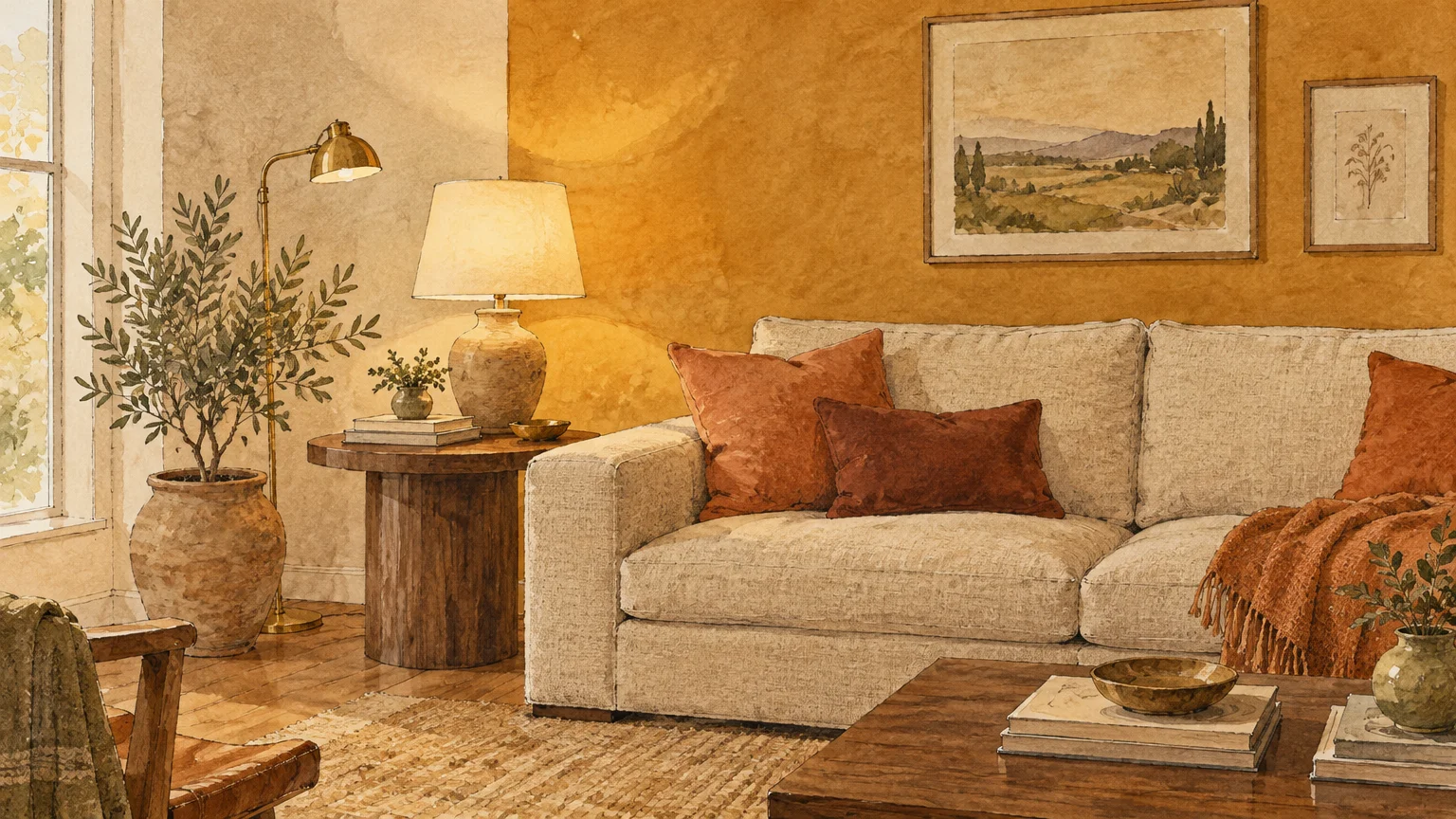
Toasted amber captures the essence of glowing candlelight, providing unmatched richness in evening spaces. It balances neutral beige by reinforcing golden warmth under low lamplight.
Paint formal dining rooms or living room alcoves in this inviting, autumnal shade. Complement amber walls with velvet upholstery, walnut accents, and polished brass fixtures.
Sample curated amber swatches from major retailers like Sherwin-Williams to find formulas tailored to indoor lighting. The golden glow makes beige walls feel cozy and protective.
Styling Accents and Layering
Complete your room makeover by introducing layered textures that support your new accent colors. Throw pillows, area rugs, and window coverings unify your refreshed color palette.
Incorporate organic materials like jute, unfinished oak, and brushed copper to echo warm paint colors throughout the space. Layered textures prevent beige surfaces from looking flat or repetitive.
Group your accessories in odd numbers to maintain visual intrigue along shelves and console tables. Repeating accent pigments in artwork ties the entire room together effortlessly.
Maintenance & Long-Term Care
Maintaining painted walls preserves their rich color saturation and prevents unsightly scuff marks. Simple ongoing maintenance protects your investment for years to come.
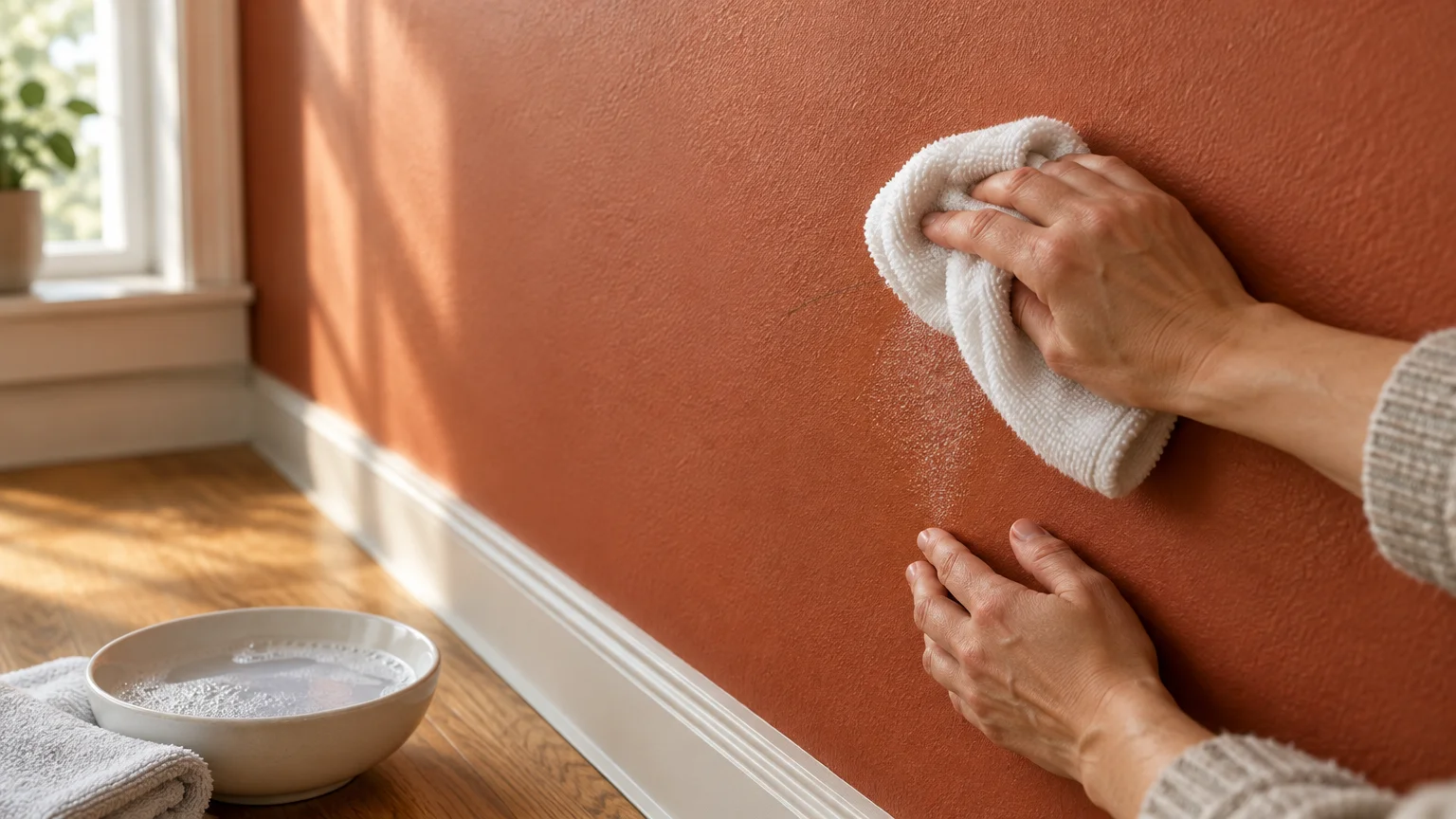
Clean washable paint finishes using a soft microfiber cloth dampened with lukewarm water and mild dishwashing liquid. Avoid abrasive scouring pads or harsh chemical cleaners that strip sheen and cause burnishing.
Wash high-touch zones around light switches and door frames periodically to stop body oils from breaking down paint binders. Gentle circular wiping prevents uneven surface dulling.
Save leftover paint in a sealed glass mason jar stored inside a climate-controlled room. Touch up minor scratches using a foam brush, feathering the wet paint outward into the dry wall.
Evaluate your indoor lighting as seasons change to maintain proper color warmth. Replace cool white bulbs with warm white options rated between 2700K and 3000K to prevent beige from graying out.
Control indoor humidity levels during humid summers and dry winters using dehumidifiers or humidifiers. Stable interior humidity keeps drywall from expanding and cracking delicate cut-in lines.
FAQ
How do I determine the undertone of my current beige walls?
Hold a pure white sheet of paper flat against your beige wall in natural indirect daylight. The paper forces the hidden undertone—whether pink, green, yellow, or gray—to stand out immediately.
Identifying this base undertone prevents you from selecting accent paints that clash with your existing drywall color.
What paint sheen works best when pairing accents with beige?
Eggshell and satin sheens provide the best balance of scrub resistance and gentle light diffusion for living spaces. Matte or flat sheens work well on ceilings or accent walls with surface imperfections.
Avoid high-gloss finishes on broad wall surfaces because gloss magnifies drywall flaws and creates harsh reflections.
Can I use cool colors to warm up beige walls?
Yes, cool colors like navy or forest green warm up beige room surfaces through visual contrast. The cool hue emphasizes the inherent warmth in beige, making the neutral wall appear warmer by comparison.
Always select cool paints that contain subtle warm undertones to maintain aesthetic harmony throughout the room.
Should I paint the ceiling the same color as my beige walls?
Painting the ceiling the same beige color creates an intimate, cocoon-like effect that works wonders in bedrooms. However, in small or low-ceilinged rooms, use a warm off-white to keep the ceiling feeling elevated.
Tinting your ceiling paint with a small splash of your wall color ties the surfaces together seamlessly.
How many coats of paint do I need to update beige walls?
Most quality interior acrylic paints require two uniform coats over existing beige drywall for total opacity. If you paint a deep shade like navy or charcoal, a tinted primer coat ensures rich depth.
Always allow full cure times between coats to prevent dragging earlier paint layers with your roller.
Takeaway & Next Steps
You do not need to undertake a whole-house remodel to bring life back to dull walls. Thoughtfully selected accent colors elevate beige into an intentional, sophisticated backdrop.
To update beige walls successfully, begin with these three practical steps:
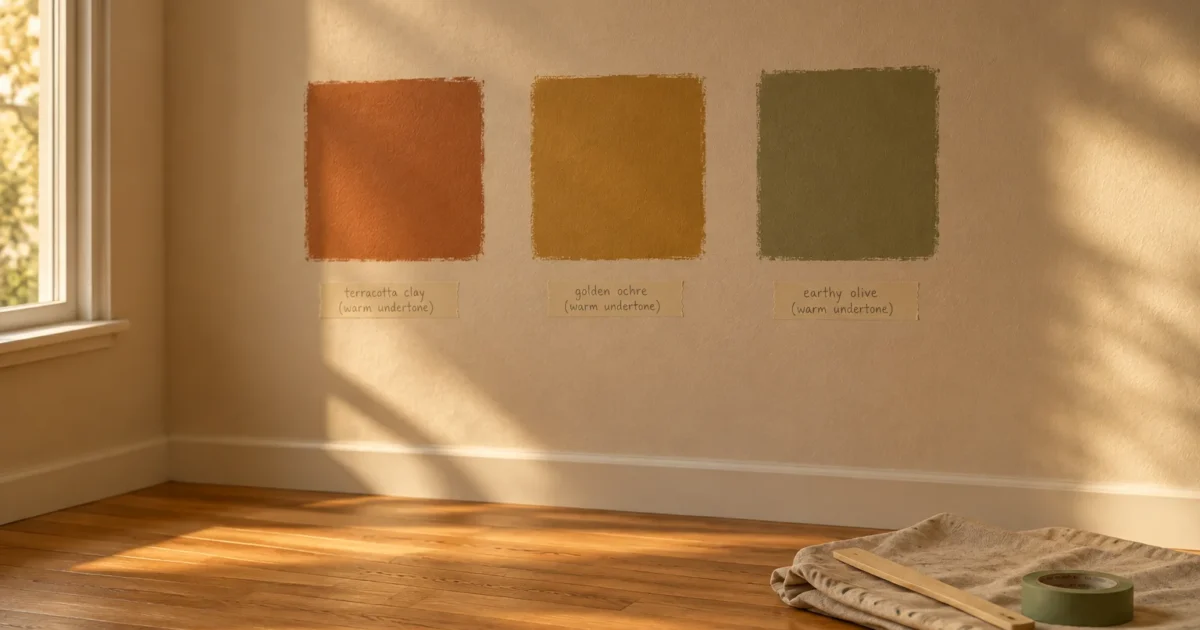
Step 1: Test Paint Swatches: Purchase peel-and-stick paint samples of three complementary shades and observe them across different times of day.
Step 2: Upgrade Lighting: Check your room lighting and upgrade cool bulbs to warm 2700K alternatives to instantly boost pigment warmth.
Step 3: Prep Surfaces: Clean your accent wall thoroughly, patch dings, and burnish your painter tape before opening your paint can.
Share your before-and-after project photos with our community, or subscribe to our newsletter for weekly home renovation inspiration.