
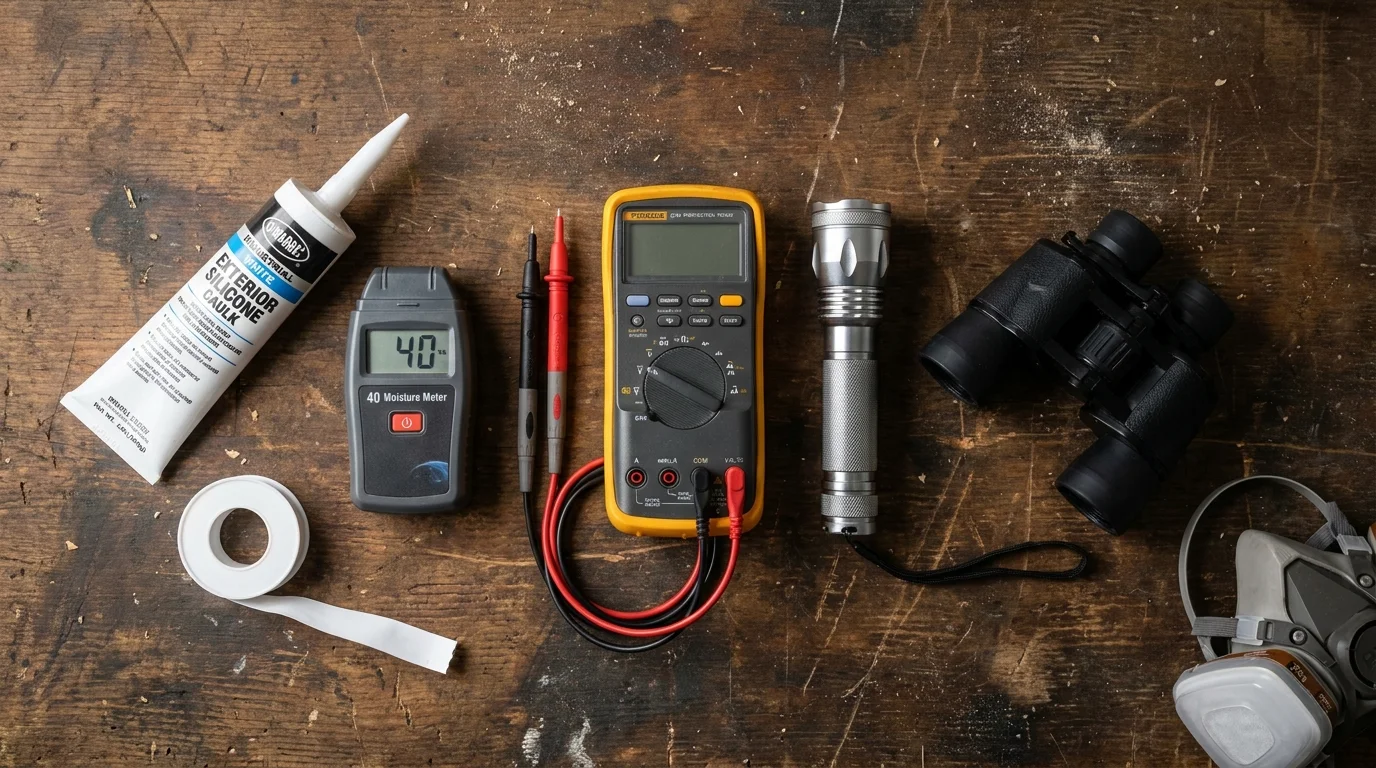
Tools, Materials, and Prep Checklist
Before you begin inspecting your property, gather the right equipment. Having your supplies organized prevents mid-project trips to the hardware store and ensures you can patch minor vulnerabilities the moment you discover them. Expect to spend around $150 to $200 stocking up on these essentials if you do not already own them.
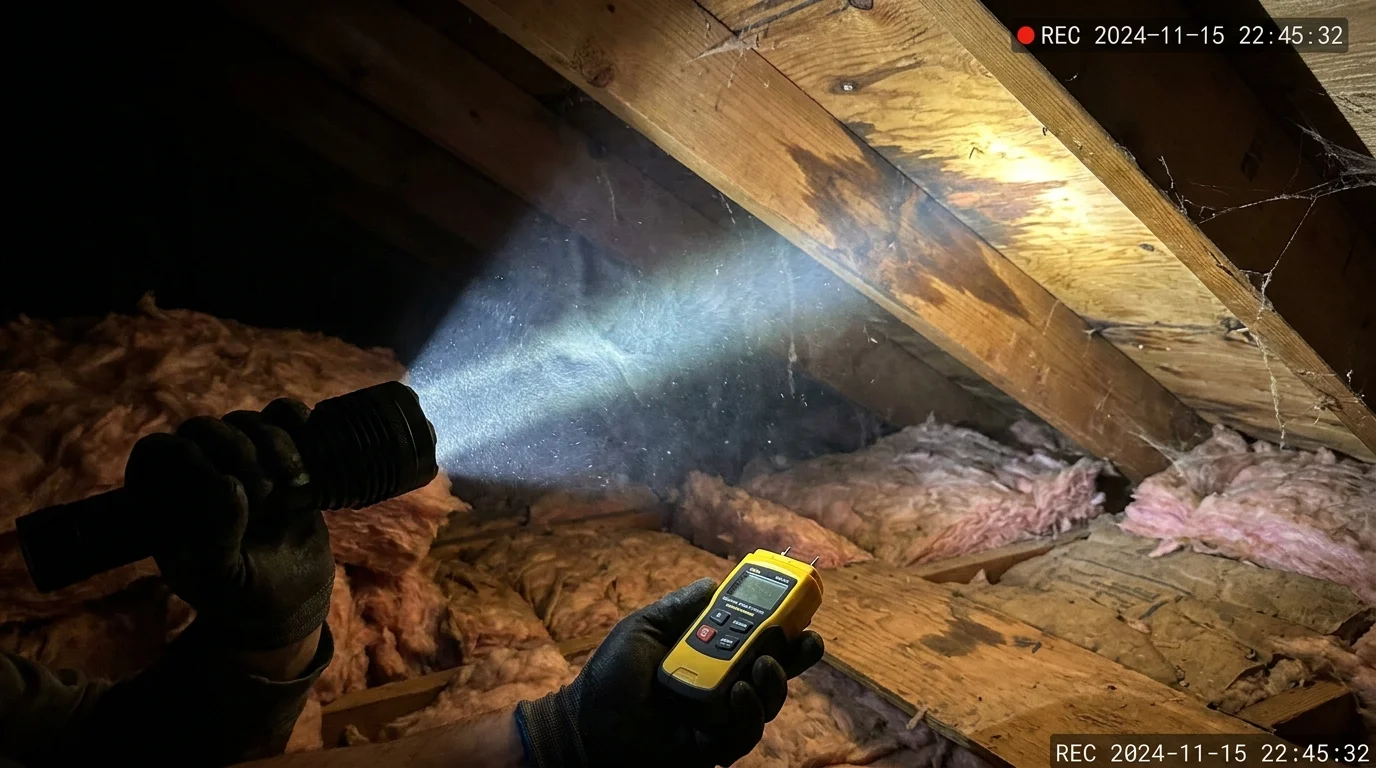
Inspection & Diagnostic Tools
You need tools that extend your senses into dark corners and hidden cavities:
Moisture Meter ($30 – $40): Crucial for checking drywall near plumbing fixtures and windows to detect hidden leaks before the wall feels soft.
High-Lumen LED Flashlight ($20): Essential for illuminating dark crawlspaces, attic joists, and the interior of HVAC cabinets.
Binoculars ($50): Allows you to safely inspect roof shingles, chimney flashing, and high siding without climbing an extension ladder.
Multimeter ($25): Useful for checking voltage on water heater elements or testing HVAC capacitors—always follow safety protocols when testing electrical components.
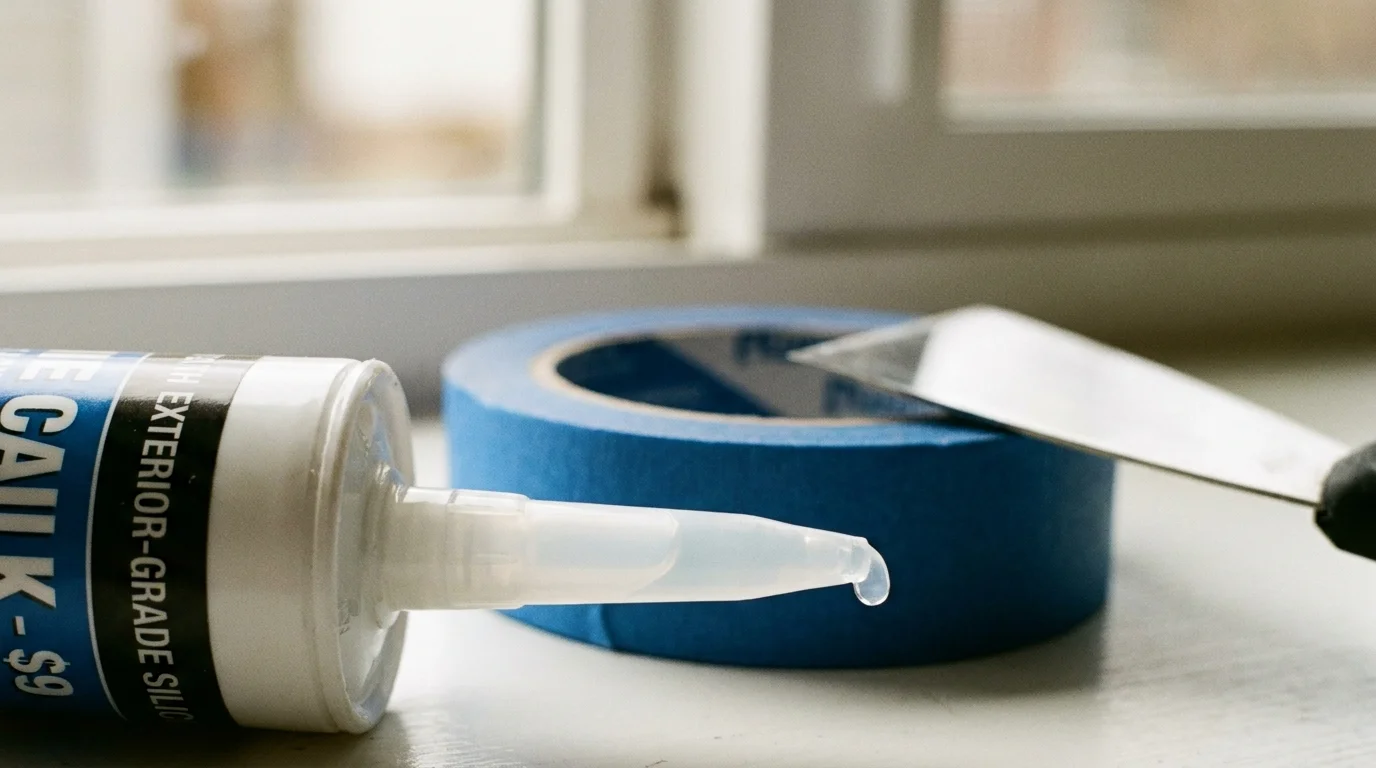
Basic Repair Materials
Keep these highly versatile consumables on hand for immediate patching:
Exterior-Grade Silicone Caulk ($9 per tube): Protects against water intrusion around windows, doors, and exterior penetrations.
Roofing Cement & Putty Knife ($15): Fixes lifted shingles and seals gaps around plumbing vent boots.
Polyurethane Concrete Sealant ($12): Fills shrinking cracks in foundation walls and driveways to prevent freeze-thaw damage.
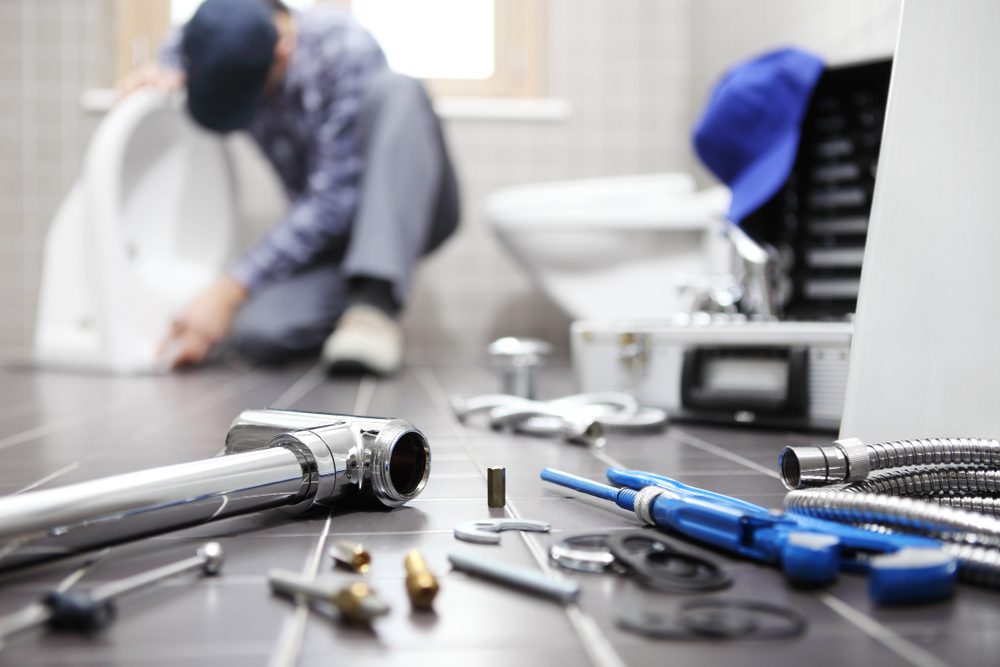
Plumber’s Tape & Replacement Washers ($5): Stops minor drips at supply lines and fixtures.
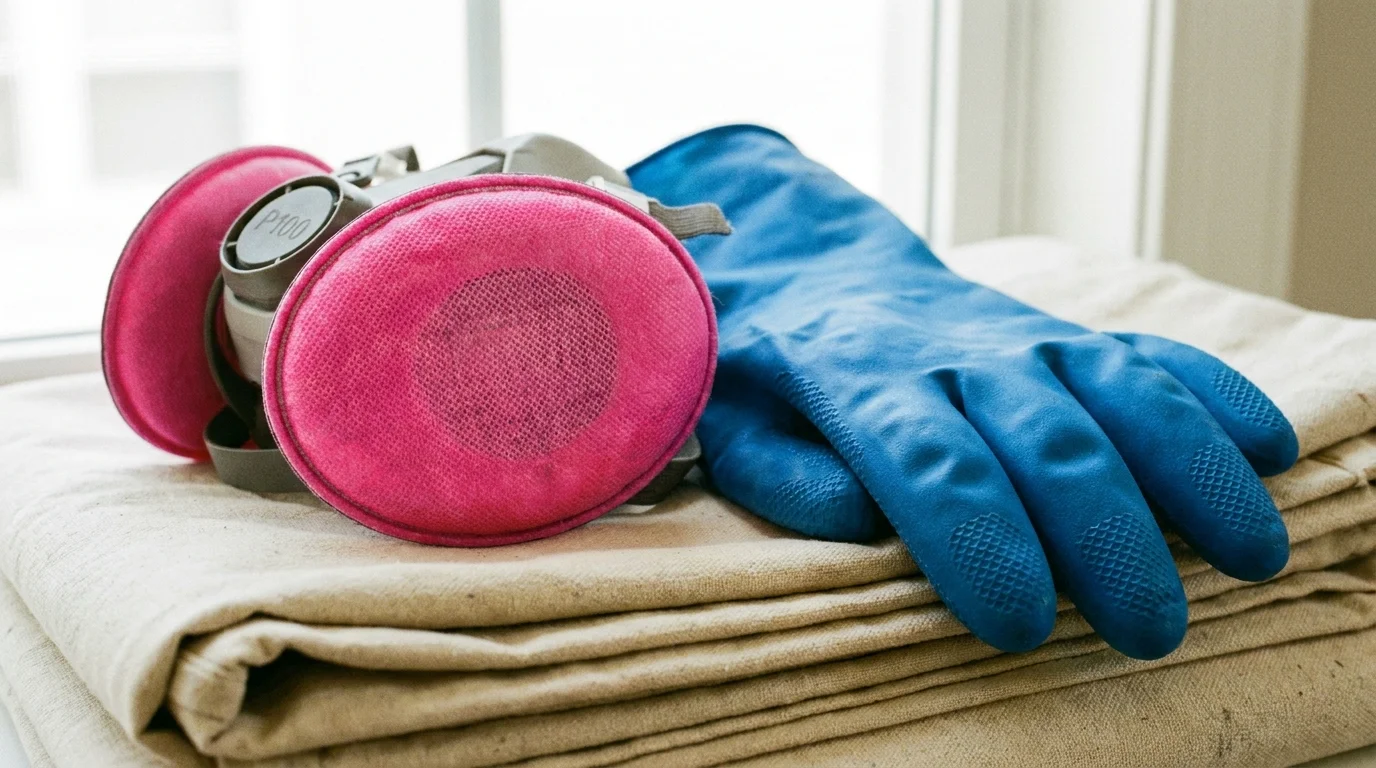
Safety Gear
Never compromise on personal protective equipment. Wear a P100 respirator mask when working in dusty attics or scraping old, potentially lead-based paint. Use heavy-duty nitrile gloves for handling chemical sealants, and always rely on ANSI-rated safety glasses to protect your eyes from falling debris.





Leave a Reply
You must be logged in to post a comment.