
Replacing an outdated builder-grade chandelier or a dusty flush mount is the fastest way to transform your living space without tearing down walls. Swapping a single fixture shifts the focal point of a room, directly impacting the perceived ceiling height and the ambient mood. You can complete most basic lighting upgrades in under an hour for less than two hundred dollars. Whether you want a modern linear suspension over your dining table or sleek brass sconces beside your bed, this project requires only basic hand tools and a healthy respect for electricity. By following safety protocols and selecting the perfect design, you will breathe new life into your home while avoiding expensive professional installation fees.
Project Overview & Why It Matters
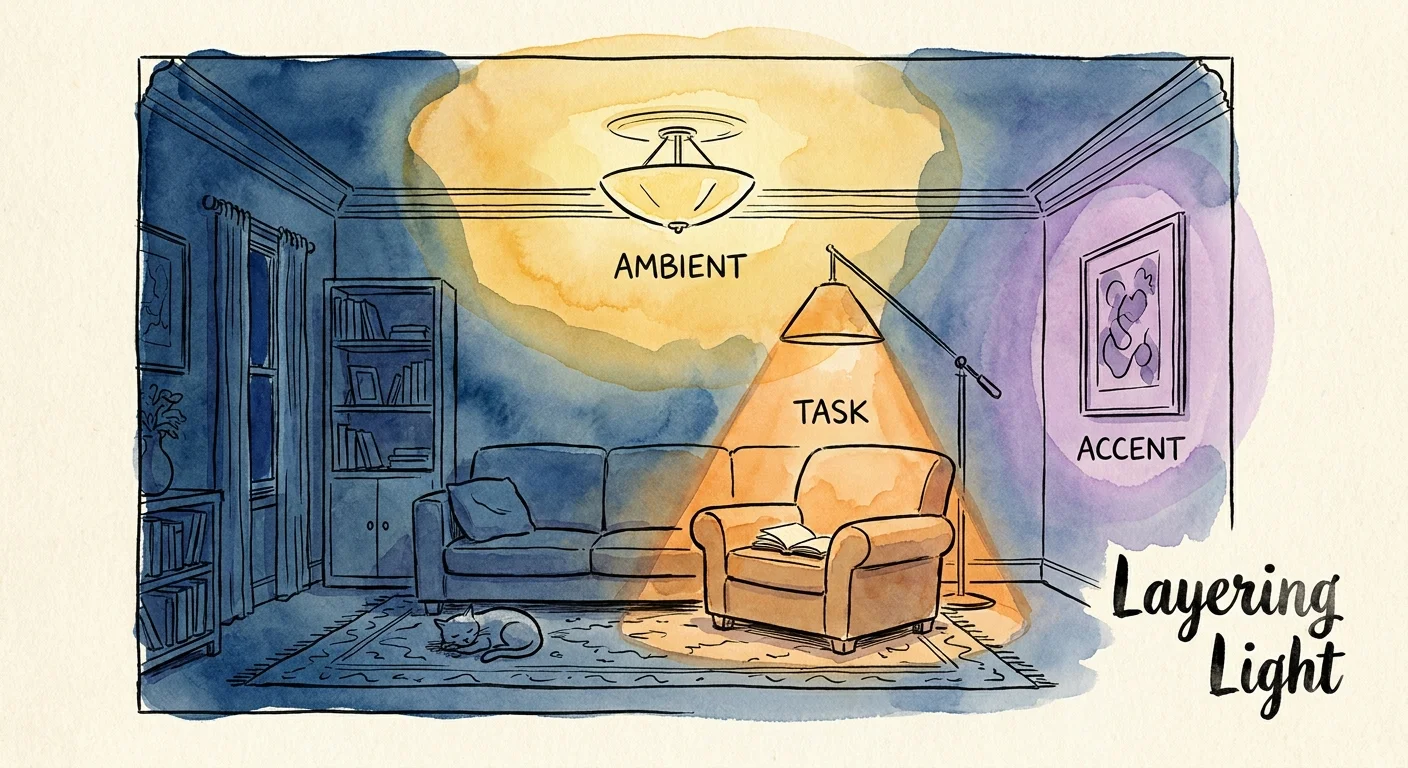
Many homeowners tolerate poor lighting because they fear electrical work or assume renovations require thousands of dollars. The truth is that executing home lighting upgrades provides an incredible return on investment. Layering your light sources—combining ambient overhead lighting with targeted task and accent fixtures—creates a dynamic environment that serves multiple functions throughout the day.
A well-planned lighting strategy dictates how you experience your daily routine. Bright, even illumination in a kitchen ensures safe meal preparation, while dimmable, warm lighting in a living room encourages relaxation. Exploring new light fixture ideas empowers you to take control of your home interior. A fresh fixture draws the eye upward, highlighting architectural details like crown molding or exposed ceiling beams. When you invest time in choosing the right design and installing it safely, you immediately upgrade your daily living experience and increase the overall market appeal of your property.
Before beginning any electrical project, you must prioritize safety. Familiarizing yourself with basic wiring principles and standard building codes ensures your home remains secure. For complex ceiling boxes or heavy chandeliers, always consult guidelines from the National Electrical Code (NEC) to determine if your existing hardware can support the new weight.








Leave a Reply
You must be logged in to post a comment.