
Keeping your home affordable during retirement requires smart financial strategies, starting with state tax relief. Property tax bills consume your fixed income, but local governments offer valuable exemptions and freezes designed to protect your retirement savings. This guide outlines the latest senior property tax relief programs updated for 2026, equipping you with the strategies needed to lower your annual assessments. You will discover how age thresholds, income limits, and residency requirements dictate your eligibility for significant senior tax benefits. Navigating the specific application requirements takes careful planning, but securing these property tax programs ensures you retain more cash for critical home maintenance, essential upgrades, and a comfortable lifestyle as you successfully age in place.
Project Overview & Why It Matters
Managing your property taxes requires the same level of diligence as maintaining your roof or servicing your foundation. As property values surge across the country, local tax assessments naturally follow suit; this upward trajectory threatens the financial stability of homeowners living on fixed incomes. State governments design senior property tax relief programs specifically to shield older adults from these aggressive market fluctuations. By participating in these initiatives, you actively protect your retirement savings from being drained by municipal tax collectors.
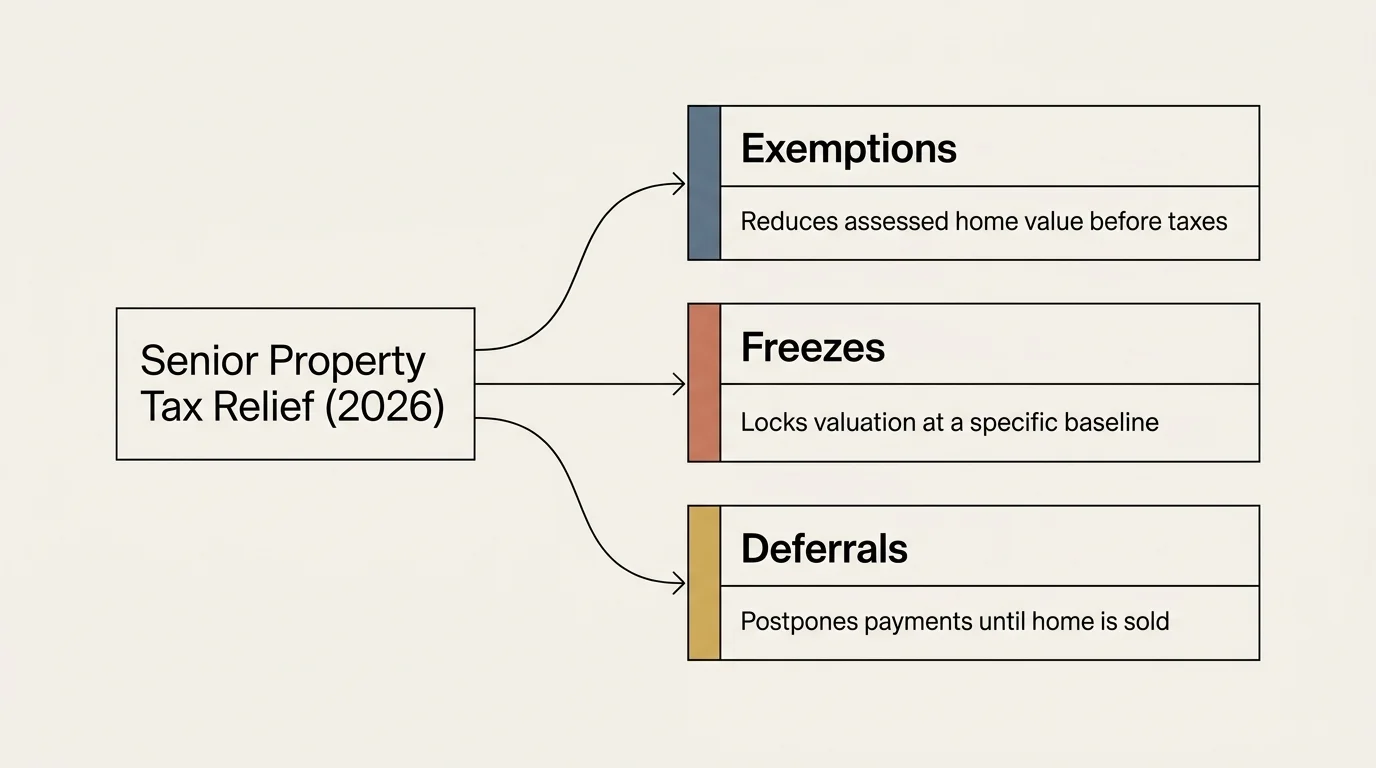
The landscape of state tax relief varies drastically depending on your geographic location. Programs generally fall into three distinct categories: exemptions, freezes, and deferrals. Exemptions directly reduce the assessed value of your home before the county calculates your tax bill. For example, Florida offers a generous additional homestead exemption for seniors that dramatically lowers the taxable value of their primary residence. Freezes lock your property valuation or your exact tax bill at a specific baseline amount, meaning future neighborhood gentrification will not spike your costs. New Jersey utilizes a highly popular senior freeze program that reimburses eligible residents for any property tax increases they experience over their baseline year.
Finally, deferrals allow you to postpone paying a portion of your property taxes until you sell the home or transfer the estate. While less popular than outright exemptions, deferral programs—like the one offered in Illinois—provide critical breathing room for homeowners facing immediate cash flow shortages. Understanding the specific mechanisms your state utilizes represents the first step toward reclaiming your household budget. Homeowners who proactively secure these senior tax benefits often save anywhere from a few hundred to several thousand dollars annually. You can then redirect this found money into essential property upkeep, ensuring your house remains safe, comfortable, and structurally sound for the long haul.