
Protecting your home from hidden appliance hazards saves you thousands of dollars in repairs while keeping your family safe. Your microwave seems invincible, but placing the wrong materials inside can trigger explosive reactions, toxic chemical releases, or electrical fires. Understanding proper microwave safety extends the lifespan of your household appliances and prevents dangerous cooking mistakes that damage your property. While it is tempting to heat up whatever container is closest, avoiding specific items ensures your kitchen remains a hazard-free zone. This guide reveals exactly what must stay out of the heating chamber, providing practical tips for appliance maintenance so you can operate your kitchen efficiently without risking an emergency.
Project Overview & Why It Matters
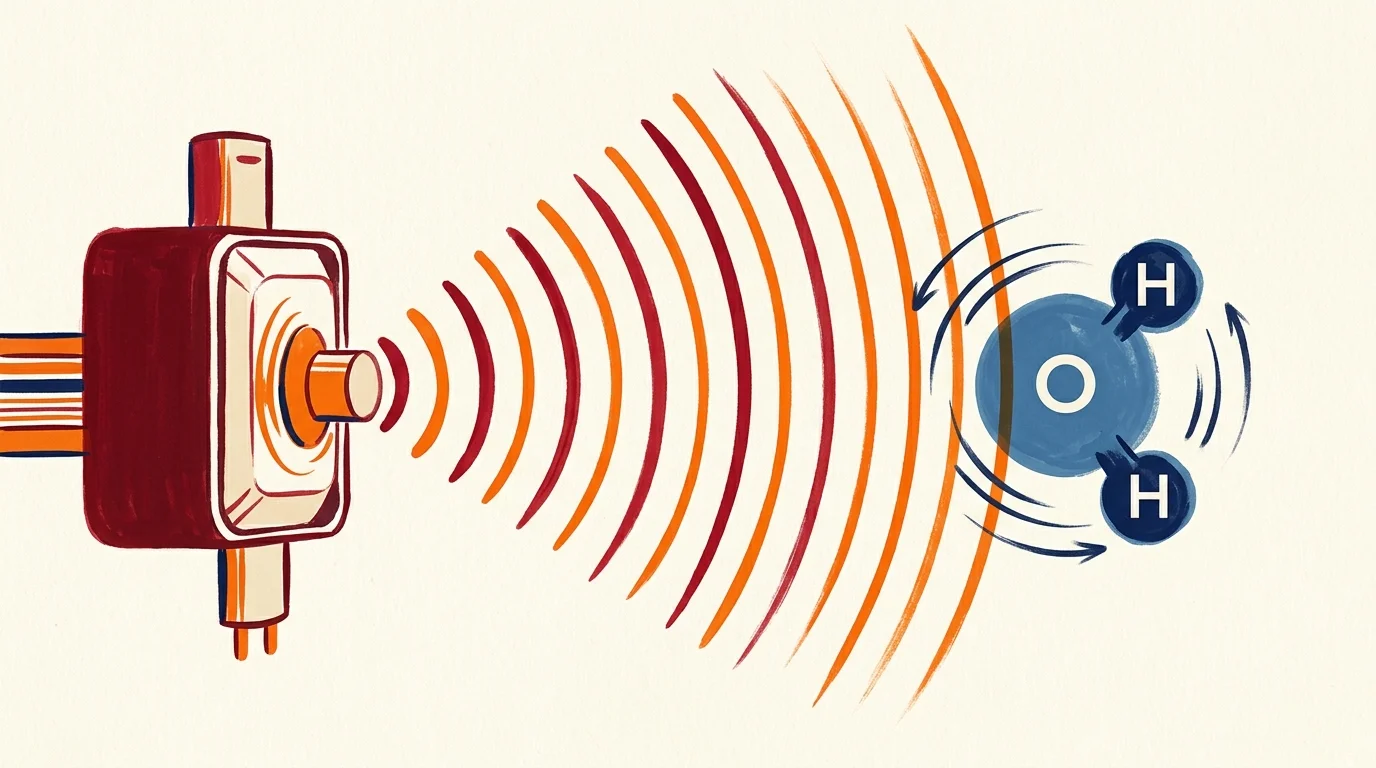
Your kitchen functions as the command center of your home; it requires tools and household appliances that operate reliably and safely every single day. A microwave works by utilizing an internal component called a magnetron to generate electromagnetic waves. These waves agitate water molecules inside your food, creating rapid friction that generates heat. When you introduce incompatible materials into this highly energetic environment, you disrupt that precise scientific process, leading to severe consequences that range from ruined dinners to catastrophic house fires.
According to safety organizations like the National Fire Protection Association, cooking equipment is the leading cause of home structure fires and home fire injuries. Adhering to strict food safety and equipment guidelines dramatically lowers your risk of becoming part of that statistic. Knowing what materials absorb, reflect, or melt under electromagnetic radiation allows you to prepare meals with absolute confidence while protecting your property investment.
Beyond fire prevention, keeping the wrong items out of your appliance prevents toxic chemicals from leaching into your family’s meals. Certain common packaging materials break down rapidly under intense heat, subtly contaminating your food with compounds linked to long-term health issues. By thoroughly understanding the limitations of your equipment, you maximize its functional lifespan, reduce daily frustration, and keep your household safe from invisible chemical hazards.







Leave a Reply
You must be logged in to post a comment.