Understanding your homeowners association rules can save you thousands of dollars when disputes arise over unpaid dues. If your HOA fails to file its declarations, bylaws, and collection policies properly with the local county clerk, it loses the legal authority to charge HOA attorney fees or impose interest on HOA delinquent accounts. This administrative oversight strips the association of its most powerful collection weapons and shifts the leverage back to you. Protecting your finances means verifying the exact paperwork your neighborhood board has officially recorded. Navigating HOA collections requires a clear grasp of your HOA legal rights, allowing you to challenge unauthorized penalties and keep your hard-earned money where it belongs.
Project Overview & Why It Matters
Tackling a dispute with your homeowners association feels daunting, but uncovering an administrative error on their end changes the entire dynamic. Homeowners associations operate much like micro-governments. They possess the power to levy assessments, issue fines, and place liens on your property. However, this power is strictly governed by state laws and the precise documents filed with your local county recorder’s office.
Many homeowners assume that if the board votes on a new rule or collection policy, it automatically becomes legally binding. This is a common and expensive misconception. To enforce fines, charge late fees, or demand you pay for their lawyers, an HOA must officially record its policies in the county property records. When a board updates its rules but leaves the paperwork sitting in a property manager’s filing cabinet, those new rules hold no legal weight.
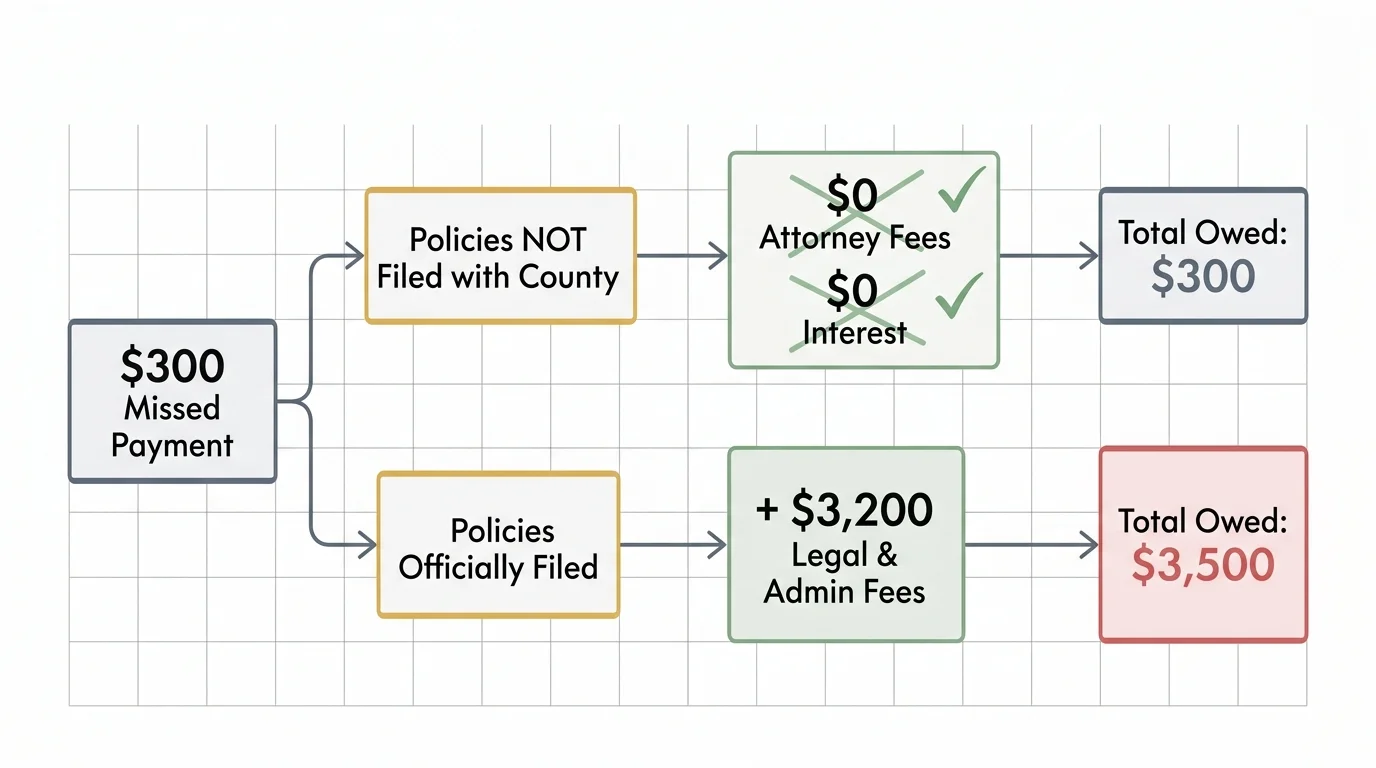
This project matters because HOA delinquent accounts frequently spiral out of control. A simple missed annual payment of $300 can easily balloon into a $3,500 debt once management companies tack on administrative fees, double-digit interest rates, and exorbitant legal costs. By auditing your association’s filed documents, you assert your HOA legal rights. You create a concrete defense against aggressive HOA collections. If the association failed to follow the rigid protocols for filing their covenants and collection policies, you effectively strip away their ability to force you to pay for their attorneys or unrecorded interest rates. Taking the time to execute this administrative audit secures your financial stability and keeps your home safe from unwarranted foreclosure threats.