
Style & Finishing Touches
Once you understand the mechanics of restoration, you can start chasing specific home decor trends. Designers continuously cycle through historical eras. Mastering these seven timeless furniture designs allows you to curate a space that feels collected rather than bought off a showroom floor.
1. Mid-Century Modern (MCM)
Designers love MCM for its clean lines, tapered legs, and functional simplicity. When restoring authentic MCM pieces, you will mostly encounter teak and walnut veneers. Treat these thin wood layers with extreme care; aggressive sanding will burn right through the veneer to the cheap pine underneath. Skip heavy, dark stains. Instead, hydrate the wood with teak oil or Danish oil to highlight the natural golden-brown grain. Pair these wooden frames with highly textured upholstery like boucle or heavy woven wool.
2. 1970s Chunky Postmodern
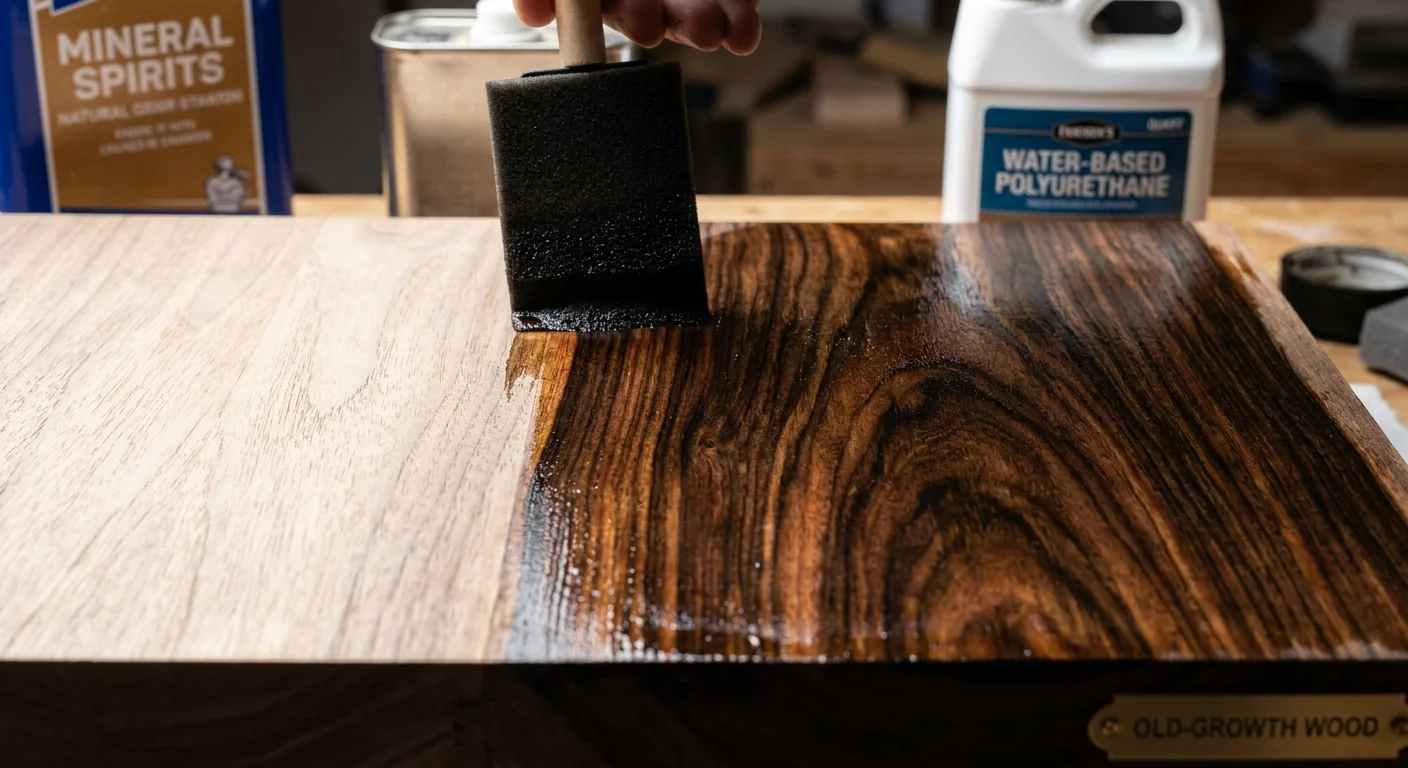
The sleekness of mid-century design recently gave way to the bold, heavy silhouettes of the 1970s. Look for pieces featuring burl wood—a wood characterized by swirling, highly textured grain patterns. Postmodern design embraces low-slung, chubby sofas and cylindrical coffee tables. If you want to replicate this style on a budget, build a geometric coffee table using MDF (medium-density fiberboard) and wrap it in a high-quality, peel-and-stick burl wood veneer. Seal the edges tight and apply a high-gloss polyurethane finish.
3. Bauhaus and Industrial Chic
Bauhaus focuses on the intersection of mass production and fine art, heavily utilizing tubular chrome, black leather, and glass. To revive heavily oxidized chrome chair frames, crumple a piece of aluminum foil, dip it in water or white vinegar, and scrub the metal. The chemical reaction strips away rust without scratching the chrome plating. Finish by polishing the metal with a specialized automotive chrome paste. Reupholster the slings in thick, full-grain leather to match the industrial weight of the metal.
4. Traditional English Roll Arm
Maximalism and traditional comfort are reclaiming living rooms. The English Roll Arm sofa, featuring deep seats, tight backs, and low, rounded arms, anchors this look. When hunting for these pieces, prioritize the frame over the fabric. A kiln-dried hardwood frame from the 1980s provides a much stronger foundation than a modern engineered-wood sofa. Hire a professional to reupholster the piece in performance velvet or a classic floral linen, or purchase heavy-duty slipcovers for a budget-friendly upgrade.
5. Organic Modern
This style blends stark minimalism with raw, natural materials. Live-edge dining tables and raw stone side tables dominate this category. If you purchase a raw wood slab from a local mill to build your own table, you must ensure the wood drops below a 10% moisture content before finishing it; otherwise, it will warp and crack inside your climate-controlled home. Fill any natural cracks or bug holes with two-part clear epoxy to stabilize the slab, then finish the wood with a hardwax oil to maintain a raw, zero-shine aesthetic.
6. Gustavian / Swedish Neoclassical
Gustavian furniture offers a muted, elegant alternative to heavy rustic farmhouse styles. It features fluted legs, carved rosettes, and distressed, pale finishes. You can recreate this look on standard mahogany or cherry dining chairs using a whitewash technique. Strip the existing finish, then brush on a highly diluted mixture of white latex paint and water. Immediately wipe the paint away with a clean rag. The white pigment settles into the wood grain and carvings, mimicking the look of 18th-century sun-bleached European wood.
7. Art Deco Revival
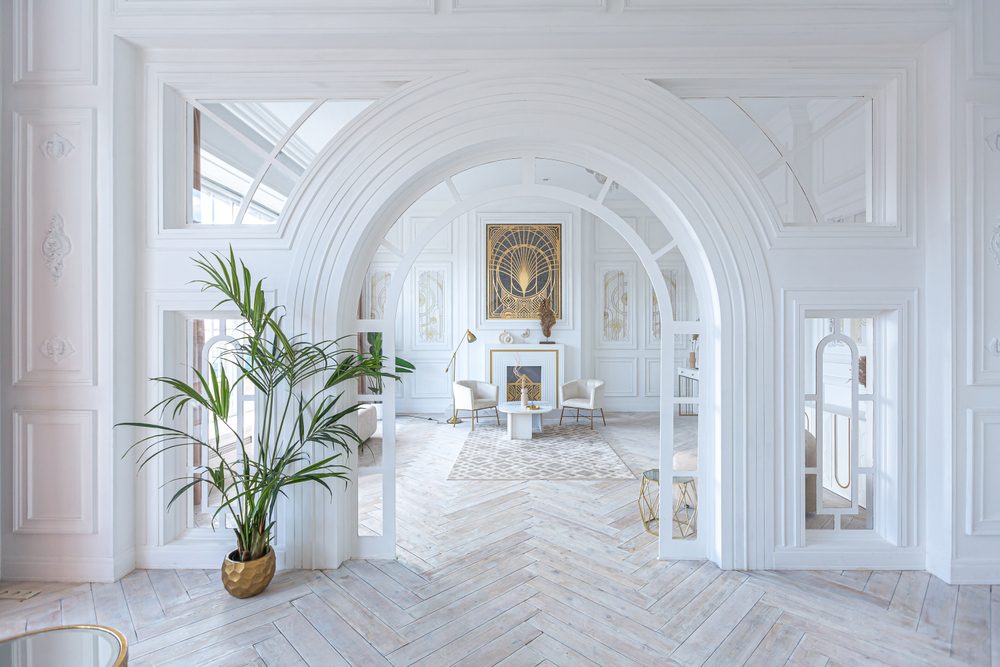
For spaces needing severe glamour, designers turn to Art Deco. This style demands high contrast, geometric patterns, and reflective surfaces. Look for sideboards with waterfall edges. To achieve an authentic Art Deco finish, spray the wood with a high-gloss black or navy lacquer. Standard brushing leaves strokes that ruin the sleekness. Use an HVLP (High Volume Low Pressure) paint sprayer ($60) to lay down a perfectly flat, mirror-like finish, and swap out the old hardware for heavy, unlacquered brass pulls.





Leave a Reply
You must be logged in to post a comment.