
Step-by-Step Instructions
A successful textile overhaul happens in distinct, methodical phases. Rushing the process results in a messy, disorganized appearance rather than a deliberate, designer look. We start with the perimeter and work our way toward the bed.
Phase one involves securing your foundation. Begin by installing your drapery hardware. Use your laser level to mark the bracket locations, ensuring they sit symmetrically above the window. Always use your stud finder. If you cannot hit a stud, insert your heavy-duty anchors before attaching the brackets. Heavy velvet or blackout curtains carry significant weight, and a falling curtain rod poses a serious safety hazard. If you are installing complex, motorized shades or working with ceiling heights over twelve feet, consider hiring a professional installer to guarantee safety and flawless operation. Once the hardware is secure, steam your curtains thoroughly before hanging them to achieve a tailored drape.
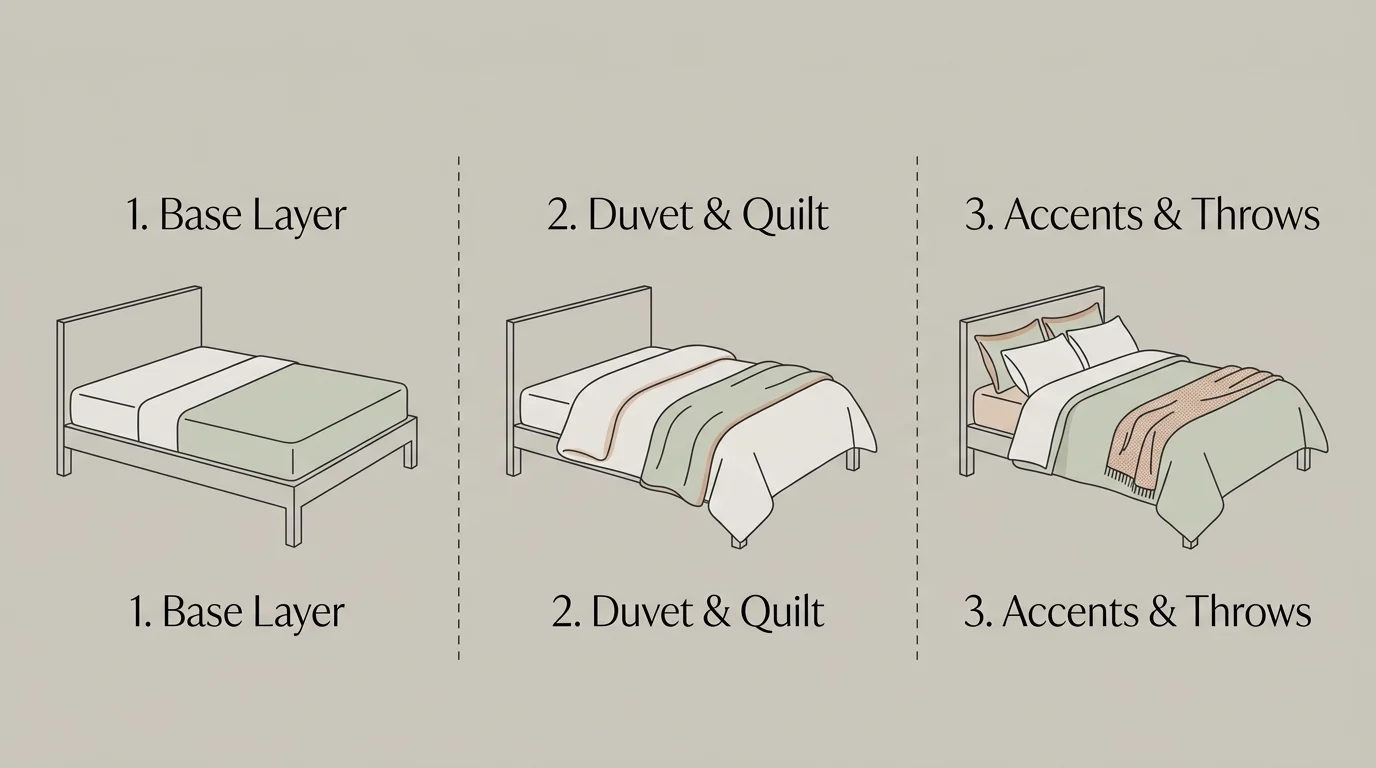
Phase two focuses on building the bed’s base layers. Pull your mattress away from the wall to give yourself working room. Secure your fitted sheet tightly, smoothing out any wrinkles from the center outward. When laying down the flat sheet, place it upside down so the finished edge faces outward when you fold it back over the duvet. This simple technique immediately elevates your bedding ideas from basic to professional. Insert your duvet into its cover, fastening all internal corner ties to prevent shifting during the night.
Phase three brings the room to life by integrating the specific textile combinations that have dominated design platforms this year. You can choose one of these eight pairings to serve as the focal point of your bedroom decor.
1. Washed Linen and Crushed Velvet: The matte, slightly wrinkled texture of breathable linen creates a relaxed base, while a heavy velvet bolster or throw blanket adds an injection of opulent, light-catching luxury. This mix balances casual comfort with high-end sophistication. Because linen breathes so well, the heavier velvet accent will not cause you to overheat.
2. Chunky Boucle and Crisp Percale Cotton: Percale offers a cool, smooth finish that feels exactly like a classic luxury hotel sheet. Draping a tightly coiled, textured boucle blanket across the foot of the bed introduces a modern, architectural element. The contrast between the rigid structure of the boucle and the crisp snap of the percale satisfies the eye without overwhelming the space.
3. Vintage Wool and Smooth Silk: Sourcing a heritage wool blanket or placing a faded Turkish wool rug on the floor grounds the room with historical charm. Contrast that rugged, earthy texture by incorporating silk pillowcases. Silk not only protects your hair and skin from friction damage but also provides a sleek, luminous contrast to the coarse, light-absorbing wool.
4. Waffle Weave Cotton and Faux Fur: A waffle weave blanket provides deep, three-dimensional pockets of texture that look exceptionally cozy while remaining highly breathable. When you layer a plush faux fur accent pillow or a heavy faux fur throw into the mix, you create a tactile experience perfect for colder climates and winter home styling.
5. Gauzy Muslin and Structured Tapestry: Gauzy muslin layers beautifully, bringing an ethereal, lightweight softness to the bed. Anchoring the space with a heavy, woven tapestry—either hung as a headboard alternative or draped over a reading chair—creates a dynamic tension between delicate and durable. Secure any heavy wall tapestries using appropriate hardware to prevent sagging.
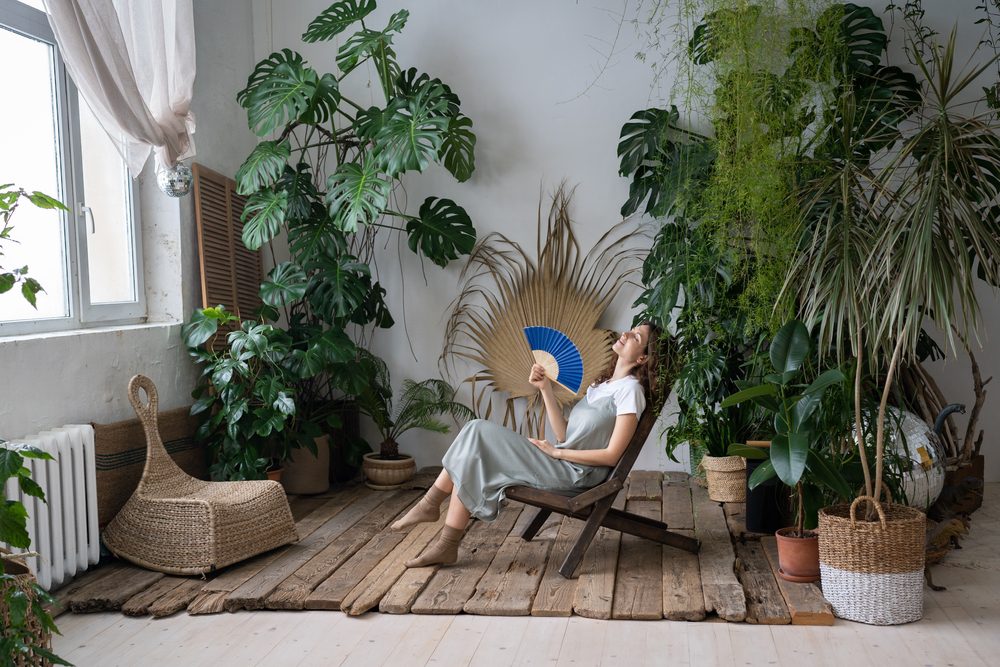
6. Sateen Cotton and Woven Macrame: Sateen reflects just enough light to look polished, neat, and highly traditional. Pairing it with a chunky, handmade macrame runner or a woven wall hanging injects a bohemian, artisanal spirit into an otherwise formal setup. This combination works exceptionally well in rooms featuring abundant natural light and indoor plants.
7. Brushed Flannel and Faux Leather Accents: While flannel keeps you incredibly warm, it can sometimes feel aesthetically heavy or dated. Introducing faux leather through piping on decorative pillows or a structured leather bench at the end of the bed adds a rugged, modern edge. This combination delivers an earthy, grounded feel perfect for rustic or industrial interiors.
8. Tufted Cotton and Sleek Mohair: Tufted bedding features raised, embroidered patterns that add geometric interest across the entire surface of the bed. Laying a brilliantly dyed, ultra-soft mohair throw over the tufted surface provides an unexpected pop of color and a luxurious, halo-like fuzz that interior designers absolutely love to photograph.







Leave a Reply
You must be logged in to post a comment.