
Maintenance & Long-Term Care
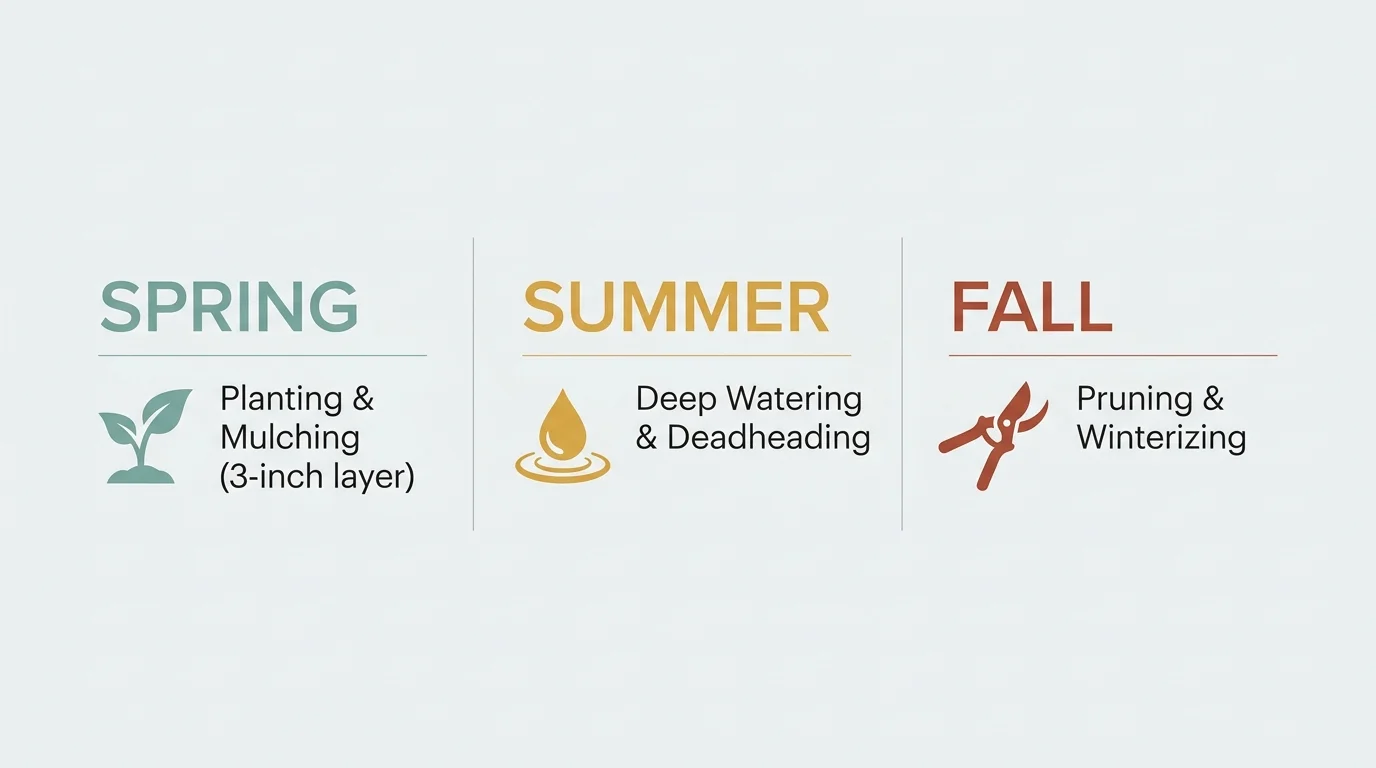
Consistent maintenance guarantees your pollinator garden remains vigorous and structurally sound year after year. During the first crucial growing season, prioritize deep, infrequent watering over shallow daily sprinkles. Provide about one inch of water per week, allowing the soil surface to dry out slightly between watering sessions. This essential practice encourages roots to reach deeper into the earth, resulting in vastly improved drought resilience in subsequent years.
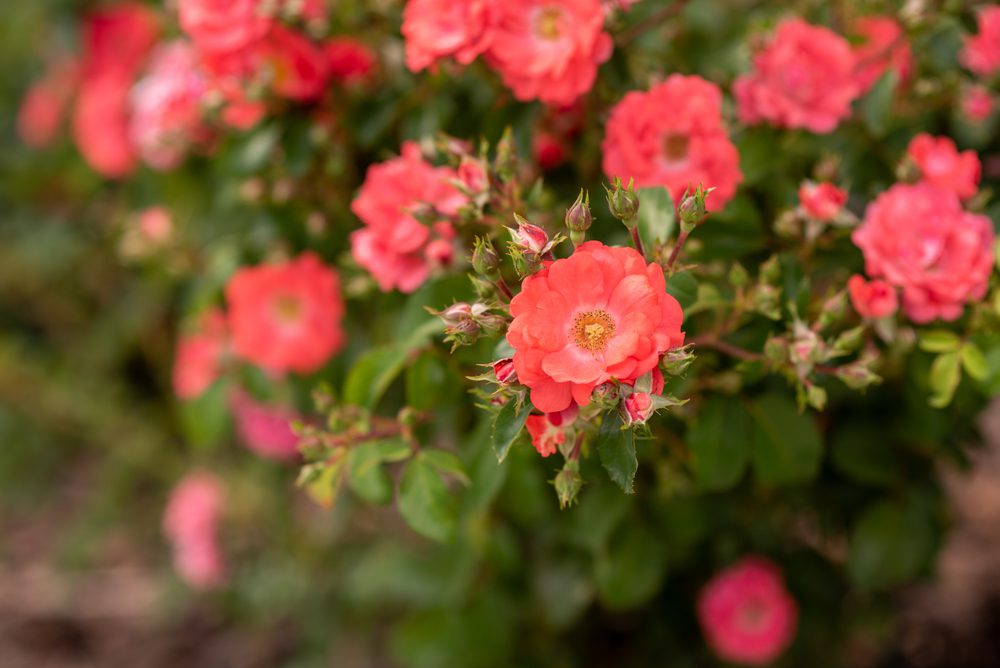
Implement a strict deadheading routine throughout the peak summer months. Snipping off faded and spent blooms physically prevents the plants from channeling their vital energy into seed production. Instead, the plant naturally redirects that energy into generating fresh flushes of flowers, ensuring a continuous, reliable nectar supply for the hummingbirds. Use clean, sharp bypass pruners to make precise angled cuts just above the next healthy leaf node.
When late autumn arrives, resist the common urge to cut all your perennials down to the bare ground. Leave the rigid stalks of your Penstemon, Coneflowers, and Agastache standing completely upright through the freezing winter. These hollow stems provide critical overwintering habitats for beneficial native insects. Wait until early spring, just after the threat of the final frost completely passes, to clear away the dead debris and apply a fresh layer of hardwood mulch. Monitor the lateral spread of aggressive growers like Bee Balm; use your heavy shovel to forcefully divide the root mass every three years to maintain a tidy, highly organized landscape design.





Leave a Reply
You must be logged in to post a comment.