
Style & Finishing Touches
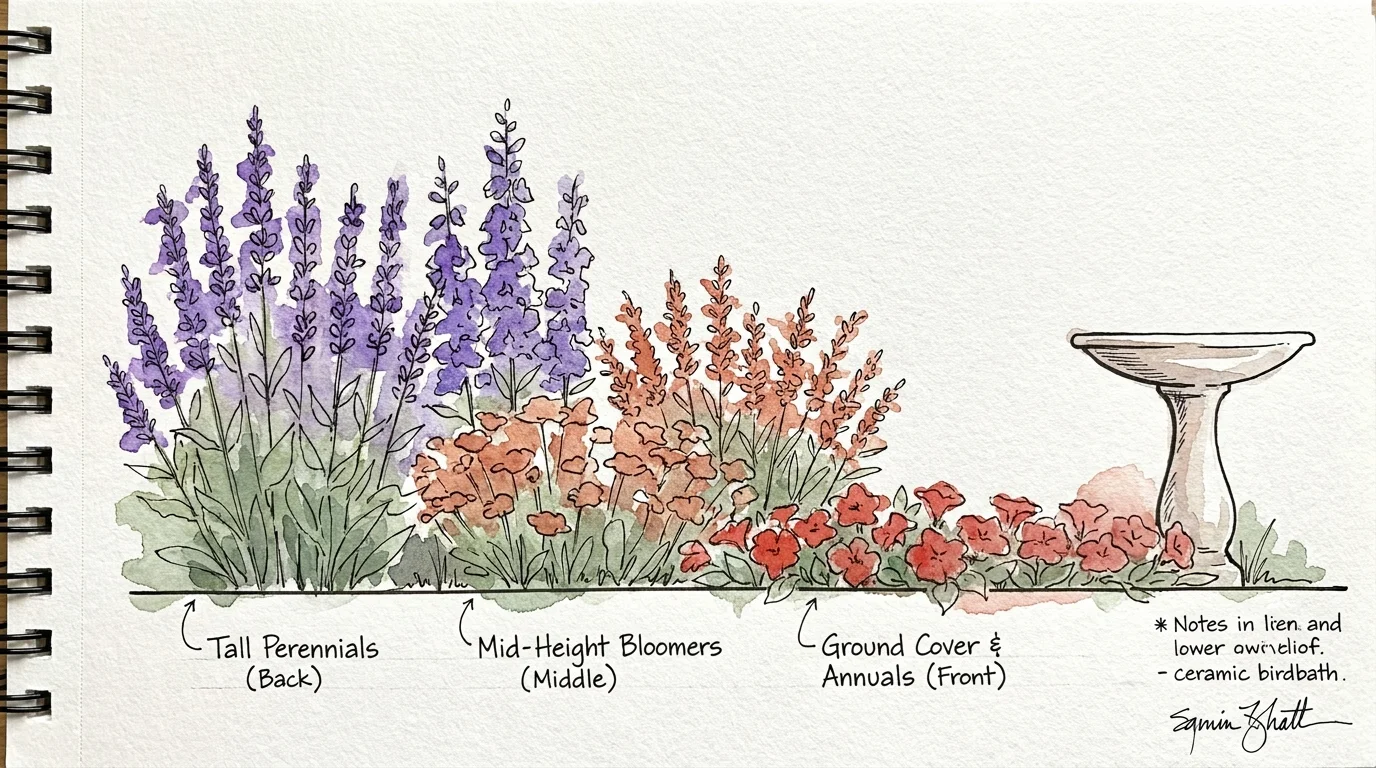
Designing an exceptional pollinator garden requires thoughtful arrangement beyond simply putting plants directly into the ground. Grouping your outdoor plants in clusters of three or five creates massive drifts of color that easily catch a hummingbird’s eye from high overhead. A single isolated plant rarely provides enough visual impact or nectar volume to draw them down from the sky. Focus heavily on warm hues, including bright reds, vivid oranges, and deep purples, to completely maximize attraction.
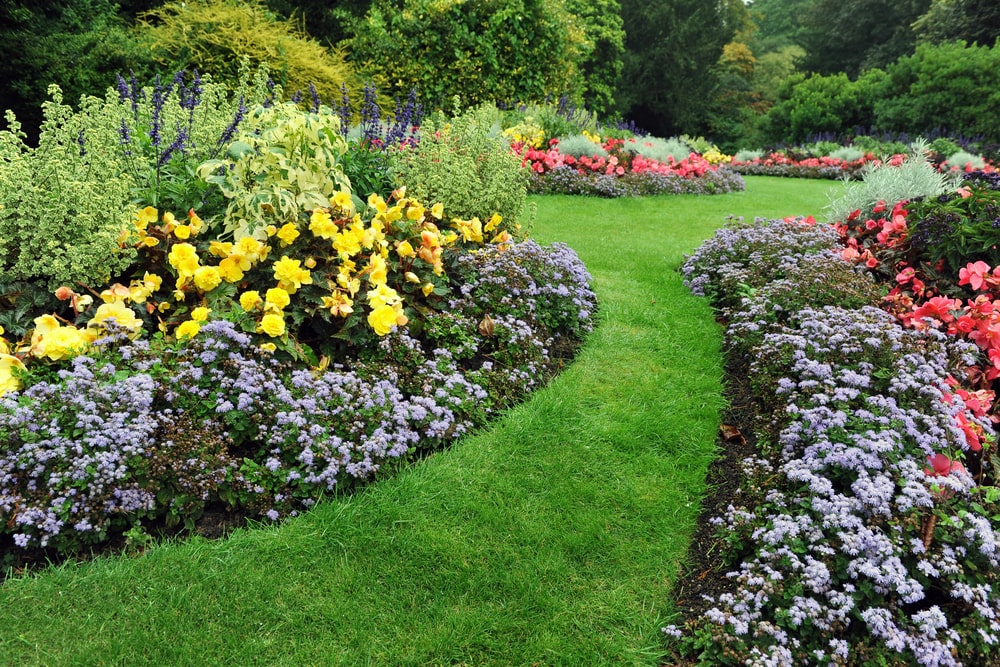
Incorporate structural hardscaping elements to elevate the garden’s visual appeal and functional layout. Install a curved flagstone border or concrete edging to clearly separate your new garden bed from the remaining turf. This provides a clean, intentional aesthetic that simultaneously contains spreading plants like Bee Balm. Additionally, consider adding a solar-powered water feature or a shallow birdbath equipped with a fine misting nozzle. Hummingbirds rarely bathe in traditional standing water; they vastly prefer flying rapidly through a gentle mist to clean their feathers.
Supplement your flowering plants by hanging a high-quality glass hummingbird feeder from a decorative wrought-iron shepherd’s hook. Position the feeder in a partially shaded spot near your Salvia and Cardinal Flowers to keep the sugar water from spoiling too quickly in the brutal summer sun. Boil four parts pure water to one part refined white sugar to create your own nectar, completely avoiding red food dye, which poses severe health risks to the birds. This supplemental feeding strategy successfully bridges the gap between different blooming cycles in your newly planted garden.





Leave a Reply
You must be logged in to post a comment.