
Transforming your backyard into a thriving pollinator garden requires selecting specific flowering plants with tubular shapes and vibrant colors that naturally draw hummingbirds. These tiny, high-energy birds seek out reliable nectar sources; planting the right perennials and annuals ensures they return to your property season after season. Creating a hummingbird-friendly landscape does more than provide endless entertainment right outside your window—it actively supports local ecosystems and encourages healthier plant pollination across your yard. By strategically placing these eight outdoor plants in sunny spots and pairing them with proper soil drainage, you easily cultivate an active, beautiful habitat that thrives throughout the warmest months of the year while elevating your exterior landscape design.
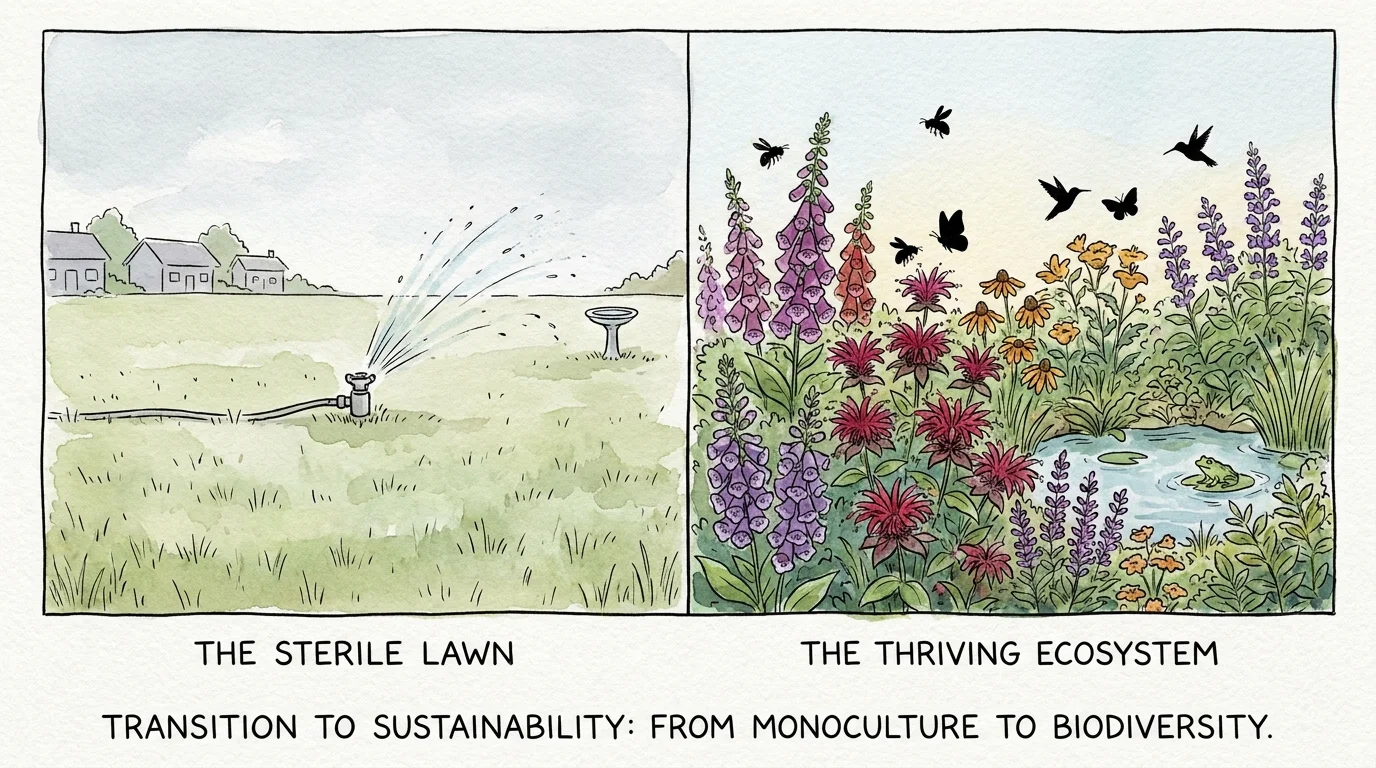
Project Overview & Why It Matters
Upgrading your standard lawn into a vibrant, living ecosystem offers profound benefits for your property value and local wildlife. Traditional turf grass demands massive amounts of water, synthetic fertilizers, and constant mowing while providing almost zero ecological value. Transitioning a portion of your yard into a dedicated pollinator garden slashes your utility bills and landscape maintenance time; it also establishes a striking visual focal point that heavily enhances your overall curb appeal.
Hummingbirds consume up to half their body weight in bugs and nectar every single day. When you install hummingbird plants specifically tailored to their feeding habits, you provide a critical food sanctuary for these migrating pollinators. In return, hummingbirds organically manage pest populations by eating aphids, gnats, and mosquitoes around your patio or outdoor deck. You essentially deploy nature’s own pest control service simply by upgrading your landscape design.
This home improvement project delivers an incredibly high return on investment. You can complete a basic garden bed transformation over a single weekend with a highly modest budget. The plants mature quickly, filling your garden with dense, colorful foliage that stifles weed growth and prevents topsoil erosion. A well-designed garden directly reflects your commitment to sustainable living while transforming a static backyard into a dynamic, animated sanctuary filled with beneficial wildlife.





Leave a Reply
You must be logged in to post a comment.