
Step-by-Step Instructions
1. Map Out the 36-Inch Traffic Flow
Your living room needs structural pathways that allow guests to move without disrupting the primary conversation. Measure and secure a minimum of 36 inches of clear walking space for all major pathways leading into the room, toward the kitchen, and to the exterior doors. Maintain at least 18 inches of clearance between your coffee table and the edge of your sofa; this provides enough legroom for taller guests while keeping the table within easy arm’s reach for resting drinks. If your current layout violates these measurements, remove bulky accent furniture until the math works.
2. Install Commercial-Grade Performance Fabrics
Stop buying delicate linen or standard cotton blends if you regularly host gatherings. Upgrade your primary seating to commercial-grade performance fabrics like Crypton or solution-dyed acrylics originally designed for outdoor use. Check the manufacturer specifications for the “double rub count,” which measures fabric durability. You want a fabric rated for at least 30,000 double rubs. These textiles feature protective barriers woven directly into the fibers, meaning spilled wine beads up on the surface rather than soaking into the cushion foam, saving you hundreds of dollars in professional upholstery cleaning.
3. Implement the Triangle Seating Method
Pushing all your furniture against the walls creates a sterile waiting-room environment. Pull your sofas and chairs toward the center of the room to build an intimate conversational triangle. Ensure the maximum distance between seating options never exceeds eight feet; any wider, and guests must raise their voices to communicate. Angle two accent chairs slightly toward the primary sofa to naturally force eye contact and invite interaction. This arrangement grounds the space and immediately signals to your guests where the gathering is supposed to happen.
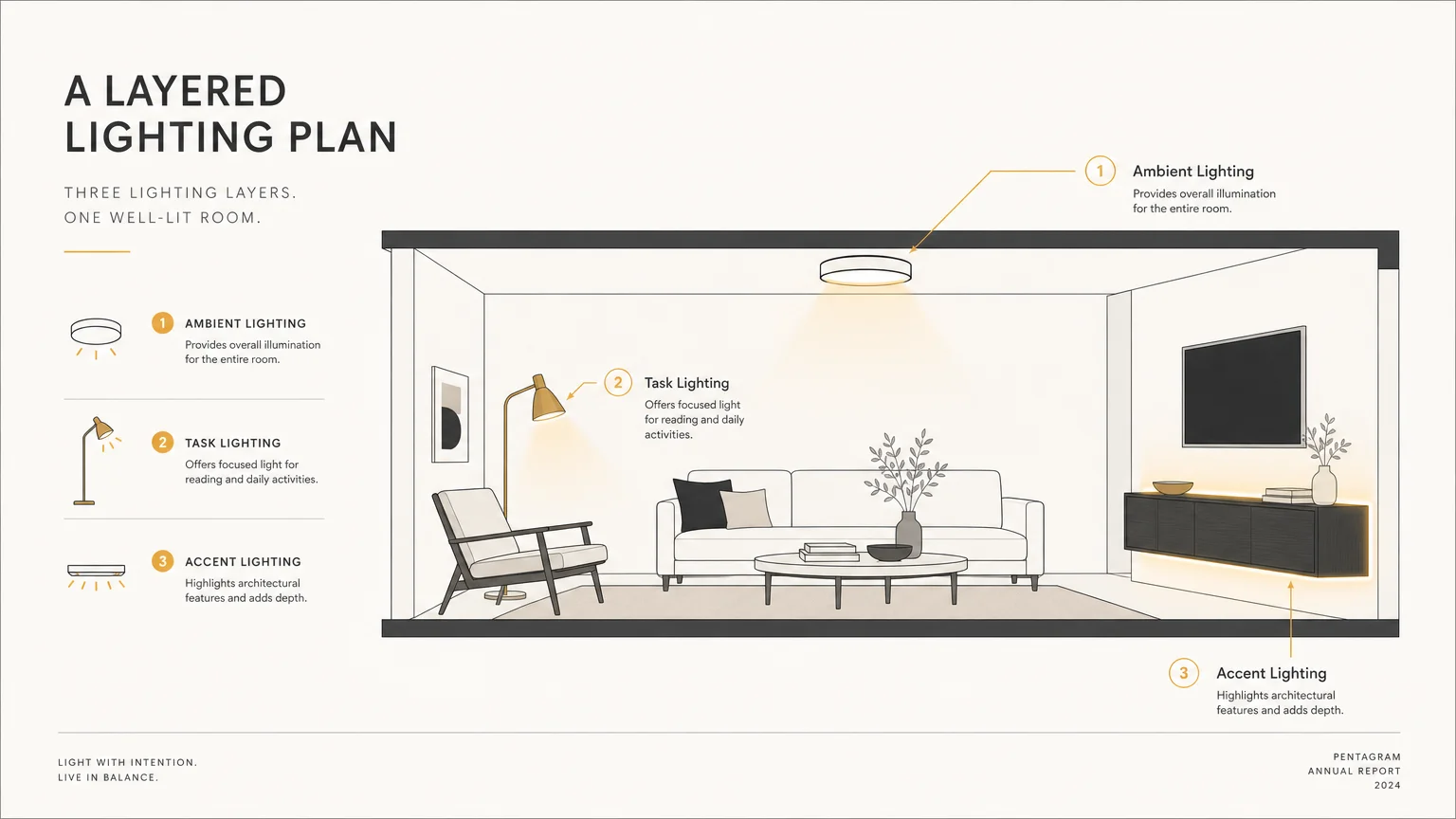
4. Wire and Install Layered Dimmable Lighting
Overhead lighting operated by a standard on/off switch ruins a party’s atmosphere faster than bad music. Shut off the power at your breaker box, verify the circuit is dead using a voltage tester, and swap out your standard switches for high-quality LED-compatible dimmers. Always follow the National Electrical Code guidelines or hire a licensed electrician if you lack experience. Next, layer your lighting by adding table lamps at eye level and floor lamps in dark corners to eliminate harsh shadows and create a warm, inviting glow that flatters everyone in the room.
5. Build in Hard-Surface Drink Drops
Every single seat in your living room requires an immediate, accessible hard surface where a guest can confidently set down a drink. Count your seats, then count your surfaces. If someone sitting in the corner armchair has to stand up and walk to the coffee table to set down their glass, your design has failed. Integrate small nesting tables, ceramic garden stools, or sleek C-tables that slide effortlessly under the sofa frame. Top these surfaces with heavy marble or slate coasters that do not stick to the bottom of a sweating glass.
6. Mount a Low-Profile Extension TV Bracket
Entertaining often involves background visuals, whether you are hosting a Super Bowl party or streaming a fireplace video during a winter dinner. Mount your television using a heavy-duty, full-motion articulating bracket anchored straight into your wall studs. An articulating mount allows you to pull the screen out and angle it toward the kitchen or dining area so guests grabbing appetizers stay engaged. Mount the center of the screen exactly at seated eye level—typically 42 inches from the floor—to prevent neck strain during long viewing sessions.
7. Anchor the Room with an Oversized Washable Rug
A rug that is too small makes your living room look cheap and completely disjointed. Purchase a rug large enough that at least the front two legs of every major piece of seating rest comfortably on the fabric. If you host frequently, skip the expensive wool and invest in a high-quality, machine-washable rug or an indoor/outdoor polypropylene rug. Add a dense, one-quarter-inch felt rug pad underneath. The pad protects your hardwood floors, prevents dangerous slipping hazards, and adds a luxurious layer of plushness that makes cheaper rugs feel incredibly expensive.
8. Integrate Hidden Storage for Clutter
The ability to transition a room from daily family chaos to sophisticated entertaining mode in ten minutes requires strategic hidden storage. Swap out open shelving for closed cabinetry to hide messy cables, board games, and children’s toys. Replace your standard coffee table with a heavy wooden trunk or a fully upholstered storage ottoman. When unexpected guests call to say they are ten minutes away, you simply sweep the daily clutter into these hidden compartments, shut the lid, and instantly present a pristine environment.
9. Set Up a Dedicated Beverage Station
Keep your guests out of your kitchen workspace by establishing a dedicated beverage station directly in the living room. Repurpose a slim console table or a vintage bar cart along a secondary wall. Stock the station with clean glassware, a heavy ice bucket, cocktail napkins, and basic mixers. Place a small, battery-operated picture light above the station to draw the eye. This design choice empowers your guests to serve themselves throughout the night, drastically reducing your hosting duties and preventing traffic jams near your kitchen island.
10. Upgrade to Heavy-Duty Soundproofing Curtains
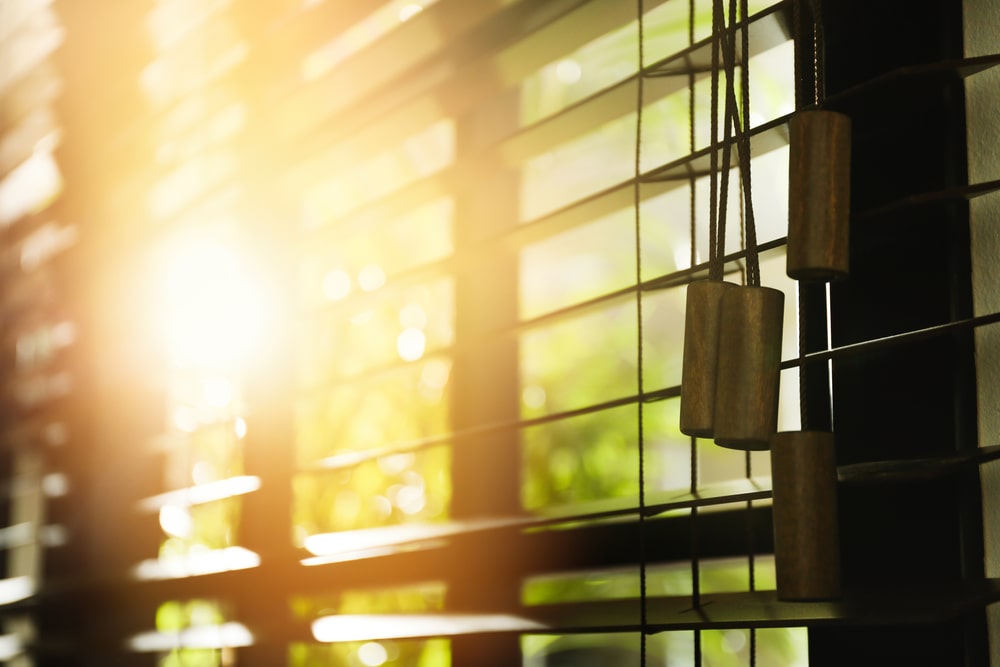
A room full of talking people, clinking glasses, and background music quickly generates an overwhelming echo, especially in modern homes with hard flooring and open floor plans. Dampen the acoustic chaos by installing heavy, lined velvet or thick cotton drapery. Mount your curtain rod just two inches below the ceiling line and let the fabric kiss the floor; this draws the eye upward, making the room feel taller while simultaneously absorbing massive amounts of sound energy. The result is a richer, warmer acoustic environment where guests can actually hear each other speak.
11. Add Swivel Chairs for Dynamic Interaction
Static armchairs severely limit how guests interact in an open-concept home. Replace rigid seating with high-quality swivel chairs featuring hidden rotating bases. A swivel chair allows a guest to face the sofa for an intimate conversation, easily rotate 180 degrees to watch the television, or pivot toward the kitchen to speak with you while you prepare appetizers. This single furniture upgrade injects incredible flexibility into your floor plan without requiring you to constantly rearrange heavy furniture during a party.
12. Secure Heavy Furniture with Anti-Tip Anchors
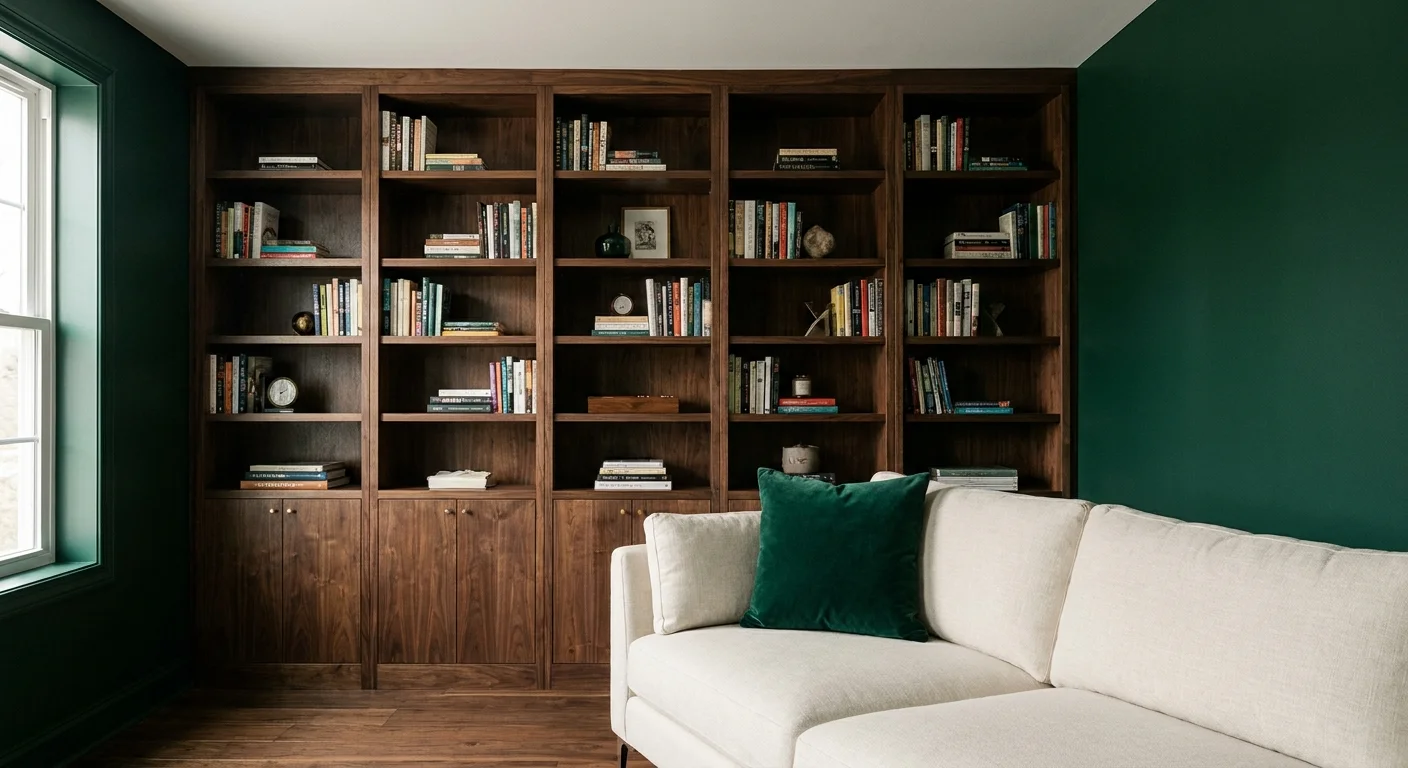
Adult entertaining eventually involves children, pets, or boisterous guests bumping into your furniture. Do not risk a catastrophic accident. According to the Consumer Product Safety Commission, falling furniture poses a severe, even fatal, risk. Take the time to install heavy-duty nylon straps or steel L-brackets on every bookcase, bar cabinet, and media console in the room. Drill the brackets directly into the furniture frame and secure the other end deep into the structural wall studs. This non-negotiable safety step provides absolute peace of mind during chaotic gatherings.





Leave a Reply
You must be logged in to post a comment.