
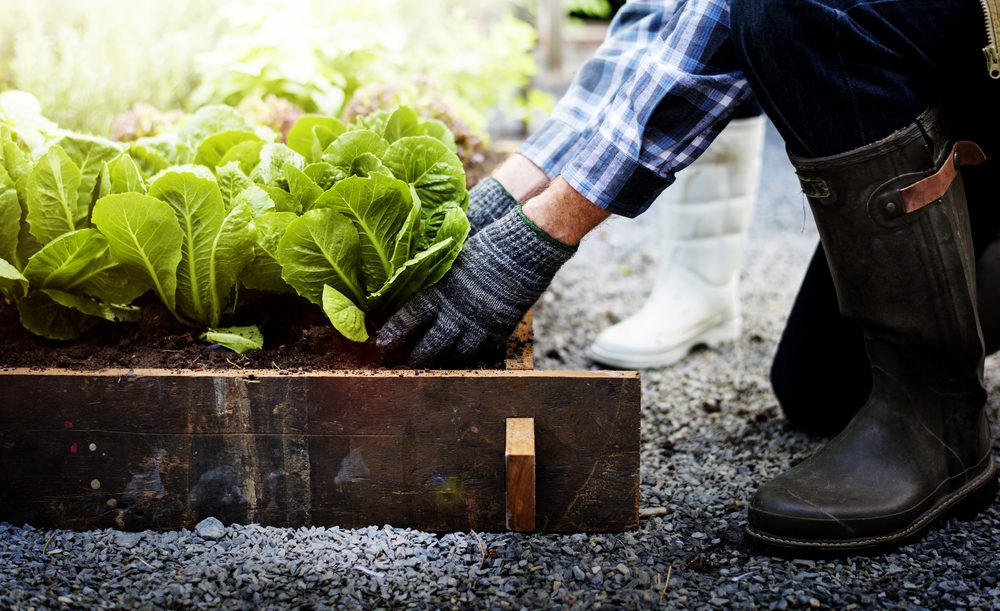
…What do you know about gardening?
The majority of people who live in a house want to have a beautiful garden that everyone will admire. And while for some, it’s easier to come up with several ideas on how to spruce up their yard and make it as pretty as possible, for other people, it might be harder than it seems.
We know that not everyone is a pro when it comes to gardening, so we gathered some of the best tips to help you out, especially if you’re at the beginning of your gardening journey. Don’t worry, you don’t need to take courses to be able to tackle this project and make all of your neighbors envy your beautiful garden. But you’ll need a lot of patience, the right tools, and a bit of time.
Other than that, everything will come along, and you’ll notice that all of your efforts have paid off. If you’re curious about how to start your backyard garden, here are our best tips!
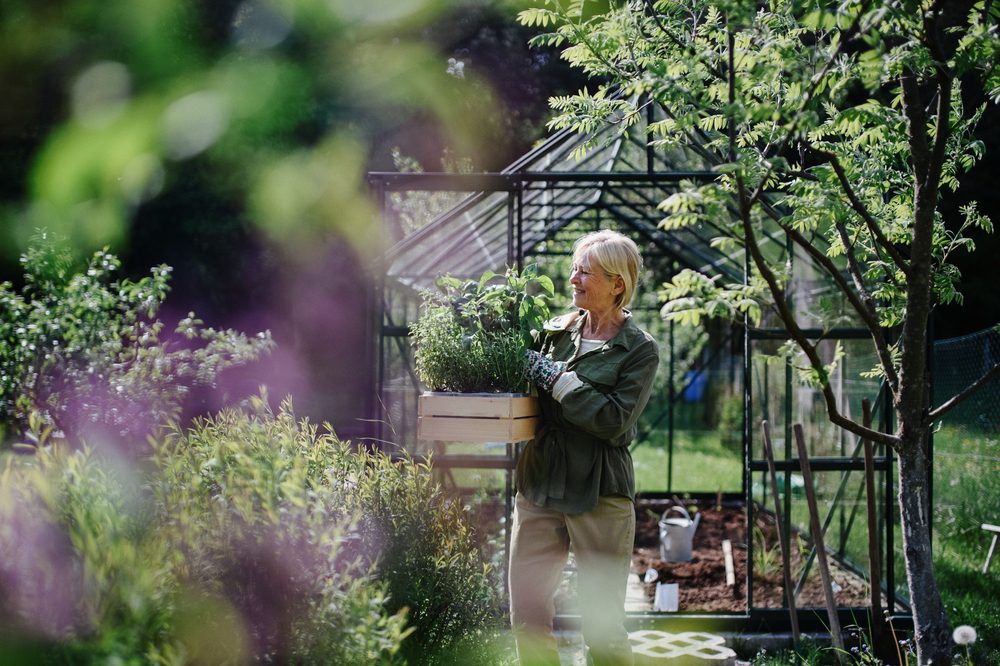
Are you ready to transform your backyard garden into a thriving plant oasis?
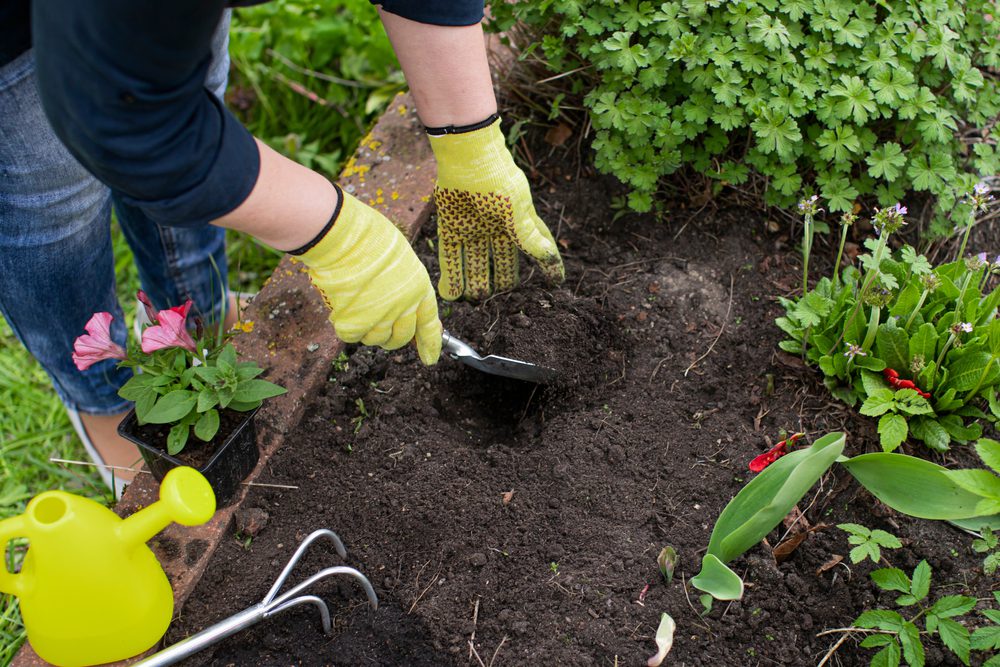
1. Know your climate zone
People who are professionals at gardening say that success comes when you put the right plant in the right place at the right time. It might get pretty confusing at first, but it means that you should make an effort to understand the crops suited to your climatic region and the best season to plant your shrubs.
The United States Department of Agriculture has a plant hardiness zone map that can be searched by ZIP code, and what’s interesting about this is that it divides the country into 13 zones, which are based on the standard annual minimum temperature. Help your garden thrive by finding your zone and getting to know all the flowers, herbs, fruits, and vegetables that are suitable for it.
Once you’ve got all that information, you can search for the approximated first and last frost dates so that you have an idea of how long the growing season will be. The next step is to go to your local garden center and look for plants that are labeled with the number associated with your hardiness area.
If you want to purchase seeds, for example, compare the number of “days to maturity” noted on the seed packet to the duration of your growing season.
…Did you know about this?
2. Decide what you want to grow
Deciding what you actually want to grow in your backyard garden is one of the most important steps in your journey because it will help you set the tone of your entire project. Use a combination of your preferences and the constraints of your climate zone to determine what you want to grow, whether it’s vegetables, flowers, herbs, a container garden, or a combination of all of them.
…Make sure that you take plenty of details into consideration, such as the available space and the produce you want to eat!
3. Get the right tools
There are quite a few items you need to get to make sure that your gardening project will be a real success. Besides the bar minimum, which consists of a pair of gloves and a sturdy shovel, you’ll also need the following:
- a regular kitchen knife for making precise cuts when harvesting vegetables;
- some hand pruners that will come in handy when it’s time to cut stems and branches that are up to a half-inch in diameter;
- you can purchase a Hori knife for dividing chunks of roots and other raunchy garden tasks.
- a potting soil scoop so it’s easier for you to fill your planters and your pots;
- a small pruning saw for getting into tight spaces when trimming shrubs and trees;
- a cordless drill that can be recharged or powered by batteries for drilling drainage holes when repurposing found materials as planters.
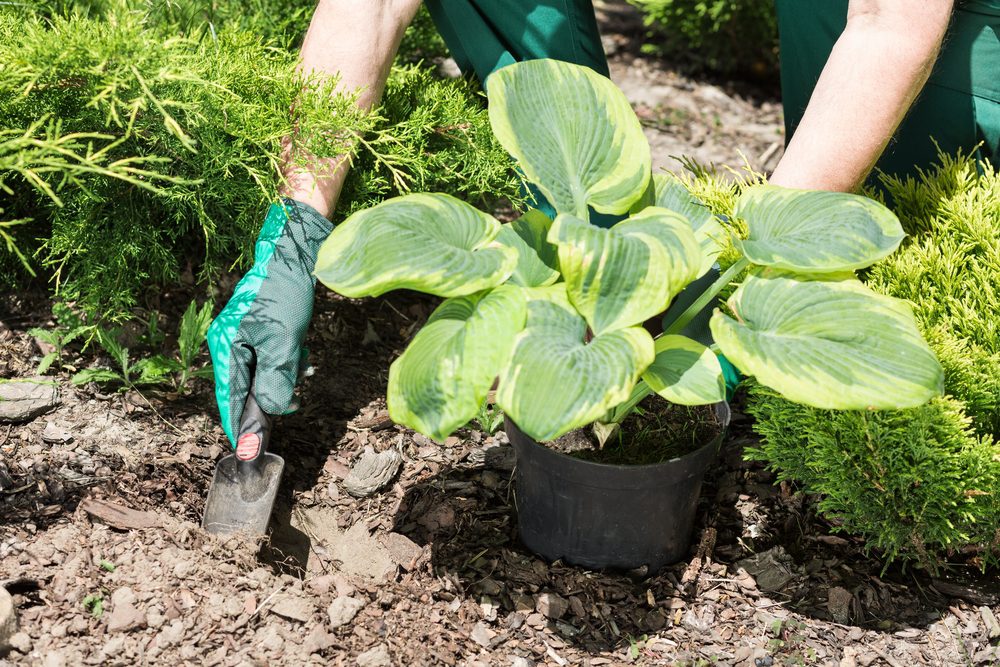
4. Choose your place
The majority of vegetables and flowers need plenty of hours of direct sunlight a day, so you should look for a space that gets the right amount of full sun for the things you’re growing. In addition to that, growing plants will also be easier on a flat piece of land that’s next to a structure that provides some wind cover.
5. Test the soil
Now that you’ve decided what you want to grow and you also have a general idea regarding the utensils that you need, there’s something you have to do before getting to work: you should test the soil in your garden.
Before starting a garden, get a soil test; you can get one for free at your local USDA cooperative extension service office. You’ll discover your garden soil’s percentages of clay, sand, silt, and organic matter, as well as whether or not your pH level is incorrect and whether you have any nutrient deficits. Besides that, you’ll also get instructions and advice to redress any imbalances.
You should ask for a test that covers all the toxic chemicals that can sometimes be found in the soil, such as arsenic and lead. If you find any toxins above the safe verge, don’t plant any edibles in the soil. Grow your food in wooden raised beds with a blockade on the bottom that puts an end to your roots getting into the ground below.
6. Create your own garden bed
The first thing you have to do when you create your own garden bed is to get rid of all the existing vegetation. You can easily clear away the weeds by hand, but make sure you also get the roots, so that they don’t grow back in.
When you’re done with this, you can move on to preparing your plating space. Some experts recommend not tilling unless it’s not completely crucial due to the fact that drilling can interfere with the microorganisms that live beneath the topsoil, such as beetles, worms, and bacteria, which isn’t the greatest thing to do.
You’d rather try the no-till gardening method: once you have all the grass and debris removed, spread a big layer of compost on the area you want to grow (4 inches thick at a minimum). If you notice that your weeds are really persistent, another thing you can try is sheet mulching, or you can use cardboard to compost weeds while you also protect the structure of your soil.
If you want to be sure that all of your hard work is going to pay off, the beds you create should be no more than 4 feet wide, so that you can reach into the center without stepping onto the mushy soil.
7. Establish if you want to grow from transplant seedlings or seeds
Even though it might be more affordable to use seed starting, it’s actually a time-consuming process and there’s no guarantee that everything will work smoothly; some seeds might take a lot to grow into healthy plants, while others might be very relentless when it comes to flourishing.
As a substitute preference, you can go to a nursery to purchase young plants that are grown in a wholesale greenhouse. However, keep in mind that you don’t really want to get the largest plants in the batch due to the fact that they are often “root bound.” With a big underbrush of plant roots underneath the soil, these shrubs have outgrown their pots and might not be suitable for your garden.
8. Be gentle when you plant your seedlings or seeds
When you plant your seeds, be sure to properly scatter them to the depth that it’s recommended on the packet of the seed, and also strongly shove with the palm of your hand. Don’t forget to water them every time you notice that the surface of the soil is dry.
Turn the pot over slowly and place your palm on top of the dirt with the stem in your fingers to plant seedlings. Squeeze the pot lightly all around before shuffling it off. Take the soil mass in your hands and gently massage it until the roots are free from the pot’s shape. If the plant is tied by its roots, you will need to massage it more strongly and may even need to use a knife to cut through the root mass.
The final step is to use your hands or a towel to create a hole in the soil that is no larger than the mass of the root. Continue by situating the plant and covering its roots with soil (don’t cover any parts of the stem while you do this because your plant might suffer from this) and press it into the ground.
9. Water
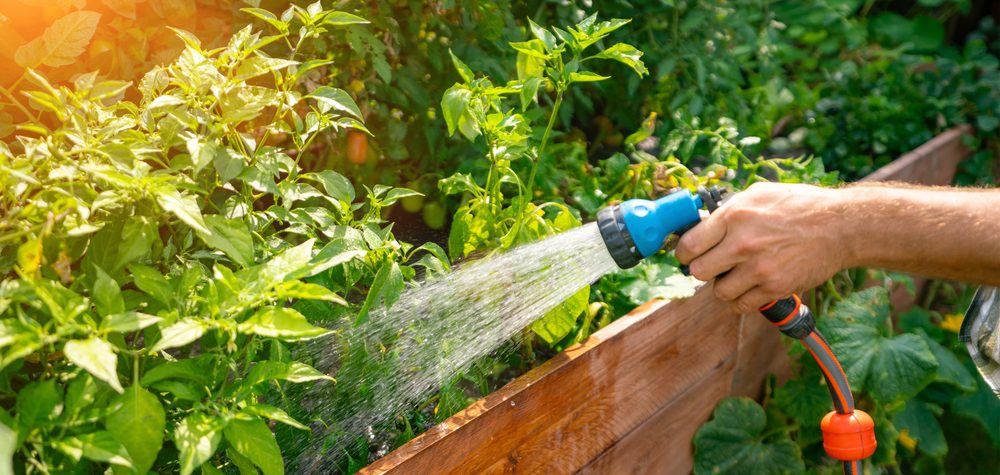
…Did you know that plants usually need an inch of water per week during the growing period?
If there hasn’t been enough rain, be sure to supply your plants with the water they need. Here’s a simple tip on how to know how much water you actually need: stick your finger approximately two inches deep into the earth. If the soil feels dry, your plants will most likely need a bit of water.
Keep in mind that the majority of plants prefer their soil to be slightly drier than sopping wet. If you give them too much water, the rot can suffer from it, so it’s best to keep the earth moist but not soggy.
10. Use mulch
To keep your soil warm and humid, cover it with organic matter and rocks. By doing so, weeds also have a hard time germinating, which is good for your garden. The microorganisms that are in your soil love mulch very much, and as it disintegrates, it turns into fuel for the earth’s food web, just like compost.
An important thing you need to know is that you should match the best type of mulch with each crop. Wood chips, for instance, work best for shrubs, fruit trees, perennial flowers, and other large types of plants, while for vegetables, leaves or straw are better and less weighty.
11. Take care of your beautiful garden
The last step, but one of the most important ones, is to properly take care of your beautiful backyard garden if you want to get the best results. Several gardening professionals say that each season comes with its own maintenance guide, so you should pay attention to all the signs your plants give you.
A yellow and bowed leaf, for example, might tell you that it’s better to clip it off. If you notice that you have a plant that has cracked under its own weight, it is a sign that it should be staked. If you want to be happy with the results, pay attention to everything!
…If you enjoyed reading this article, make sure to check this one out as well: These 7 Wonderful Home Decor Items Are Worth Thrift Shopping!






Leave a Reply
You must be logged in to post a comment.