
FAQ
How much does it cost to implement these interior design tips?
The cost varies widely based on the size of your space and the materials you choose. A basic DIY refresh—including two gallons of premium paint, a pair of dimmer switches, updated hardware, and a few hanging plants—will cost between $250 and $400. If you incorporate structural upgrades like built-in shelving, in-wall cable management, and custom acoustic drapery, expect to spend between $1,200 and $2,500 per room. Doing the labor yourself saves approximately 60 percent of the total project cost.
Do dark colors make a room stressful?
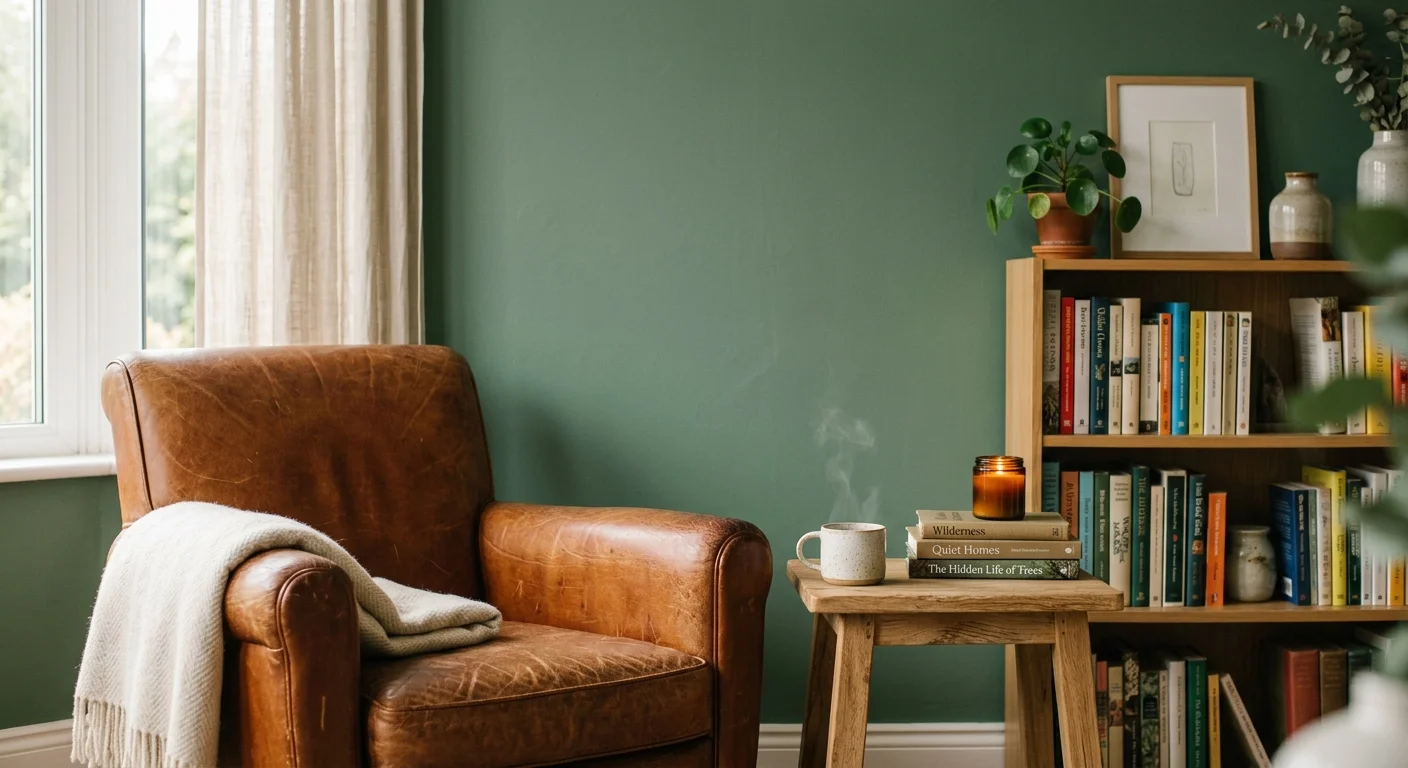
No; in fact, dark colors can make a space feel deeply relaxing if used correctly. Dark, muted tones like navy blue, forest green, or charcoal grey absorb excess light and blur the physical boundaries of a room, creating a cozy, cave-like atmosphere known as “color drenching.” The secret is to use a matte finish and paint the walls, trim, and doors the exact same color to eliminate visual fragmentation.
How do I hide wires for a peaceful home without cutting into walls?
If you rent or prefer not to cut drywall, you can use rigid, paintable cord covers. Measure the distance from your television or lamp to the nearest baseboard outlet. Cut the PVC cord cover to length using a hacksaw. Mount the backing track to the wall using adhesive strips, place the cords inside, and snap the cover closed. Paint the cover to match your wall color perfectly.
What is the best lighting color temperature for relaxing?
For a calming environment, you should use light bulbs rated between 2700K and 3000K (Kelvin). This range produces a soft, warm white light similar to traditional incandescent bulbs or late afternoon sunlight. Avoid daylight bulbs (5000K or higher) in living rooms and bedrooms, as the blue light spectrum they emit suppresses melatonin production and disrupts your circadian rhythm.
How do I choose the right house plants for biophilic design?
Select plants based on the natural light available in your room, rather than just aesthetics. For low-light rooms, choose resilient varieties like Snake Plants (Sansevieria) or ZZ Plants. For bright, indirect light, Pothos and Philodendrons are excellent choices that drape beautifully from ceiling hooks. Ensure you use lightweight plastic nursery pots inside your decorative planters to keep the overall hanging weight manageable.




Leave a Reply
You must be logged in to post a comment.