
Upgrading your space with high-end amenities boosts daily comfort and significantly increases property value. Surprisingly, many coveted design trends began as controversial oddities that initially confused the public. Incorporating these proven upgrades—ranging from en-suite bathrooms and radiant floor heating to expansive kitchen islands and modern bidets—transforms an outdated house into a modern sanctuary. Understanding this home history helps you make informed renovation choices balancing timeless architecture with modern functionality. You will discover how to plan these upgrades, select the right materials, and seamlessly blend historical luxury with contemporary interiors. Whether you tackle a minor bathroom refresh or a layout overhaul, mastering these additions ensures your investment yields lasting returns while elevating your everyday routine.
Project Overview & Why It Matters
To fully appreciate the modern amenities we take for granted, you need to understand how drastically residential architecture has evolved over the last century. Concepts that command premium pricing in today’s real estate market often started as highly misunderstood experiments. By studying this home history, you gain a unique perspective on which upgrades provide actual longevity versus fleeting aesthetic appeal.
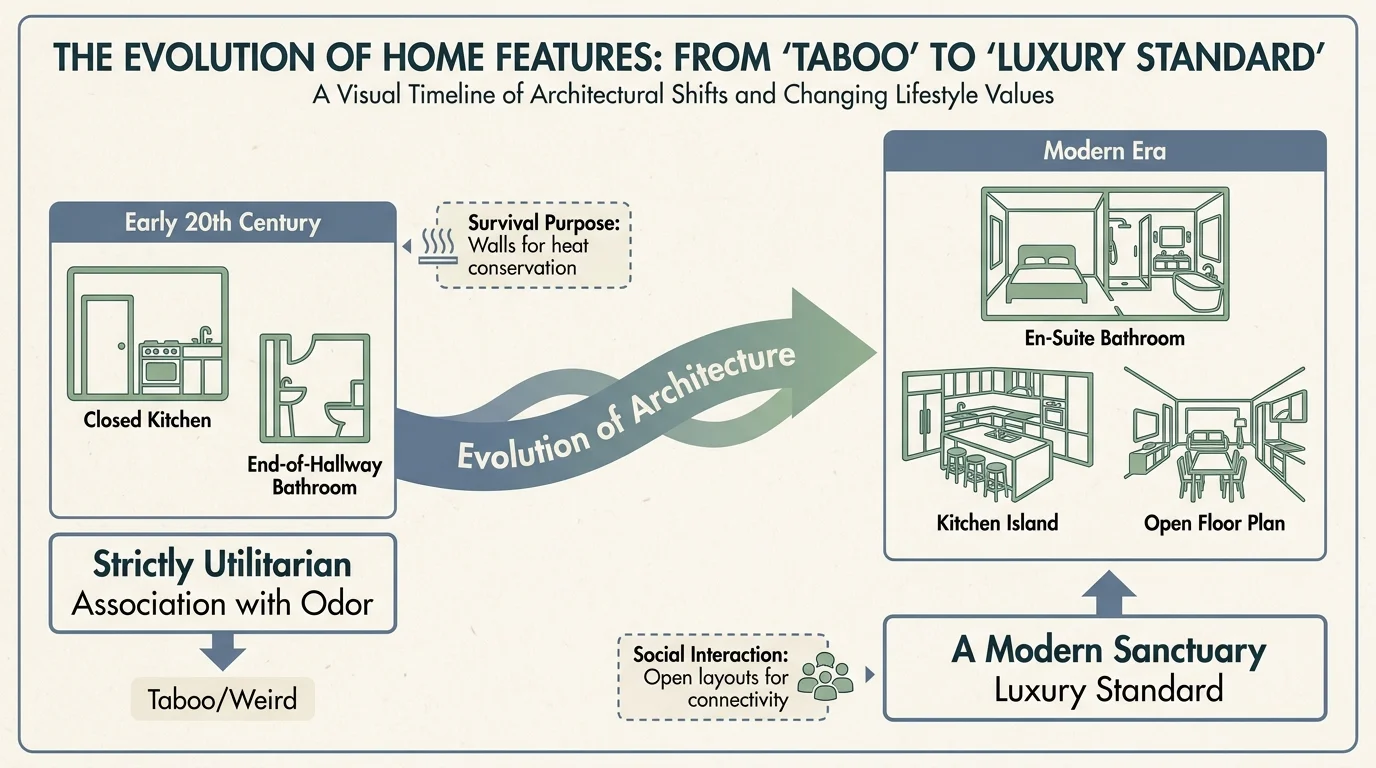
1. En-Suite Bathrooms: A century ago, the idea of keeping a toilet near the sleeping quarters horrified homeowners. People closely associated indoor plumbing with foul odors, dampness, and disease. Bathrooms were strictly utilitarian and often relegated to the end of a long hallway or the back of the house. Today, a private, spa-like bathroom attached to the primary bedroom commands a massive premium in luxury homes, offering a secluded retreat from the rest of the household.
2. Kitchen Islands: In early American architecture, the kitchen was a hidden, purely functional space meant strictly for labor. A freestanding work table sat in the middle of the room for heavy food preparation, typically utilized by household staff while the family dined in formal, separate rooms. Modern interiors completely inverted this dynamic; the kitchen now serves as the entertainment hub of the home, with massive quartz or marble islands providing essential seating and prep space.
3. Walk-In Closets: Dedicating an entire room solely to storing clothing seemed entirely wasteful to Victorian-era homeowners. Families relied on freestanding wooden armoires and small wall pegs. As consumer habits shifted and clothing collections grew, the walk-in closet emerged. Today, custom closets featuring bespoke cabinetry, accent lighting, and dressing seating are non-negotiable expectations in modern high-end properties.
4. Open Floor Plans: Interior walls previously served a critical survival purpose—they trapped heat generated by localized fireplaces. Removing walls between the kitchen, dining, and living areas seemed structurally and thermally foolish. With the advent of central heating, interior walls lost their primary thermal function. Modern design trends heavily favor sweeping, open layouts that flood the home with natural light and encourage seamless social interaction.
5. Bidets and Smart Toilets: Long standard in Europe and parts of Asia, the bidet faced decades of strange stigma in the United States. Early Americans associated them with foreign hotels and misunderstood their utility. Over the last decade, advanced smart toilets with integrated bidet functions, heated seats, and air dryers have revolutionized American bathroom routines, representing the pinnacle of personal hygiene and luxury.
6. Radiant Floor Heating: While ancient Romans pioneered the hypocaust system to warm floors, the concept vanished for centuries. When mid-century modern architects revived it, typical buyers—accustomed to forced-air registers—found the idea of heated pipes beneath the floorboards bizarre and overly complex. Now, stepping out of a shower onto a uniformly warm tile floor ranks among the most requested bathroom upgrades available.
7. Expansive Picture Windows: Historically, glass was incredibly expensive to manufacture and functioned as a terrible insulator. Large expanses of glass were considered architectural liabilities that let in freezing drafts. The development of advanced, double-pane argon-filled glass changed the trajectory of residential design, allowing luxury homes to feature massive window walls that merge indoor spaces with nature.
8. Second-Story Laundry Rooms: Washing machines originally belonged in the basement due to their violent vibrations, loud motors, and the persistent risk of catastrophic water leaks. Carrying heavy baskets up and down two flights of stairs was an accepted chore. Advanced soundproofing techniques and waterproof subfloor pans finally allowed builders to move the laundry room upstairs near the bedrooms, saving homeowners countless hours of manual labor.
9. Smart Home Automation: Early home automation felt like an unreliable parlor trick involving clunky remotes and complicated wiring. Today, integrated smart lighting dictates the exact mood of luxury interiors, shifting color temperature based on the time of day while integrating flawlessly with automated window shades and whole-home audio systems.
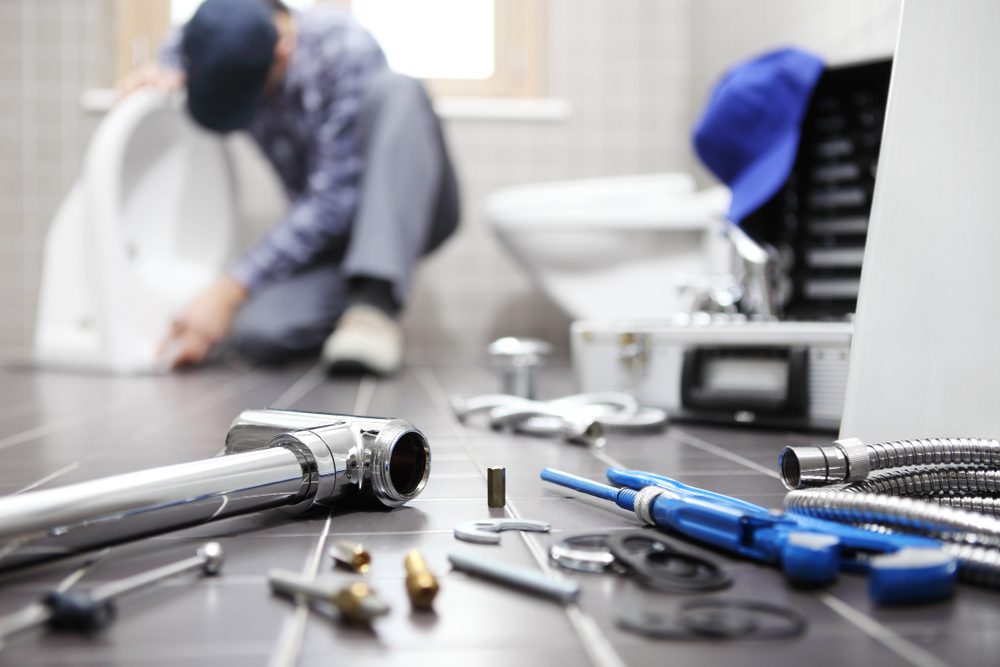
While taking down a load-bearing wall or plumbing a new primary bathroom requires hiring a specialized contractor, you can independently retrofit several of these historical luxuries into your current space. Upgrading to a bidet, installing modular walk-in closet cabinetry, and retrofitting smart lighting switches are high-impact projects you can complete over a single weekend.




Leave a Reply
You must be logged in to post a comment.