Selecting the right kitchen countertops determines whether your cooking space endures decades of heavy use or requires a costly replacement within a few short years. You need durable surfaces that withstand scalding pots, sharp knives, and aggressive cleaning regimens without sacrificing the stunning aesthetic that anchors your home renovation. This guide breaks down the most resilient countertop materials on the market, comparing lifespan, costs, and wear resistance so you can make an informed investment. You will discover how to prepare your kitchen for a seamless upgrade, manage the installation process, and execute the maintenance required to keep your surfaces pristine. Equip your kitchen with materials engineered to last.
Project Overview & Why It Matters
Kitchen countertops face constant abuse from intense heat, standing moisture, heavy impacts, and chemical cleaners. Investing in highly durable countertops gives you a massive return on investment, improving both daily utility and long-term home resale value. If you install cheap laminate, you will likely see peeling edges and burn marks within five years. Upgrading to robust materials ensures your kitchen handles dinner preparations just as effortlessly in two decades as it does today.
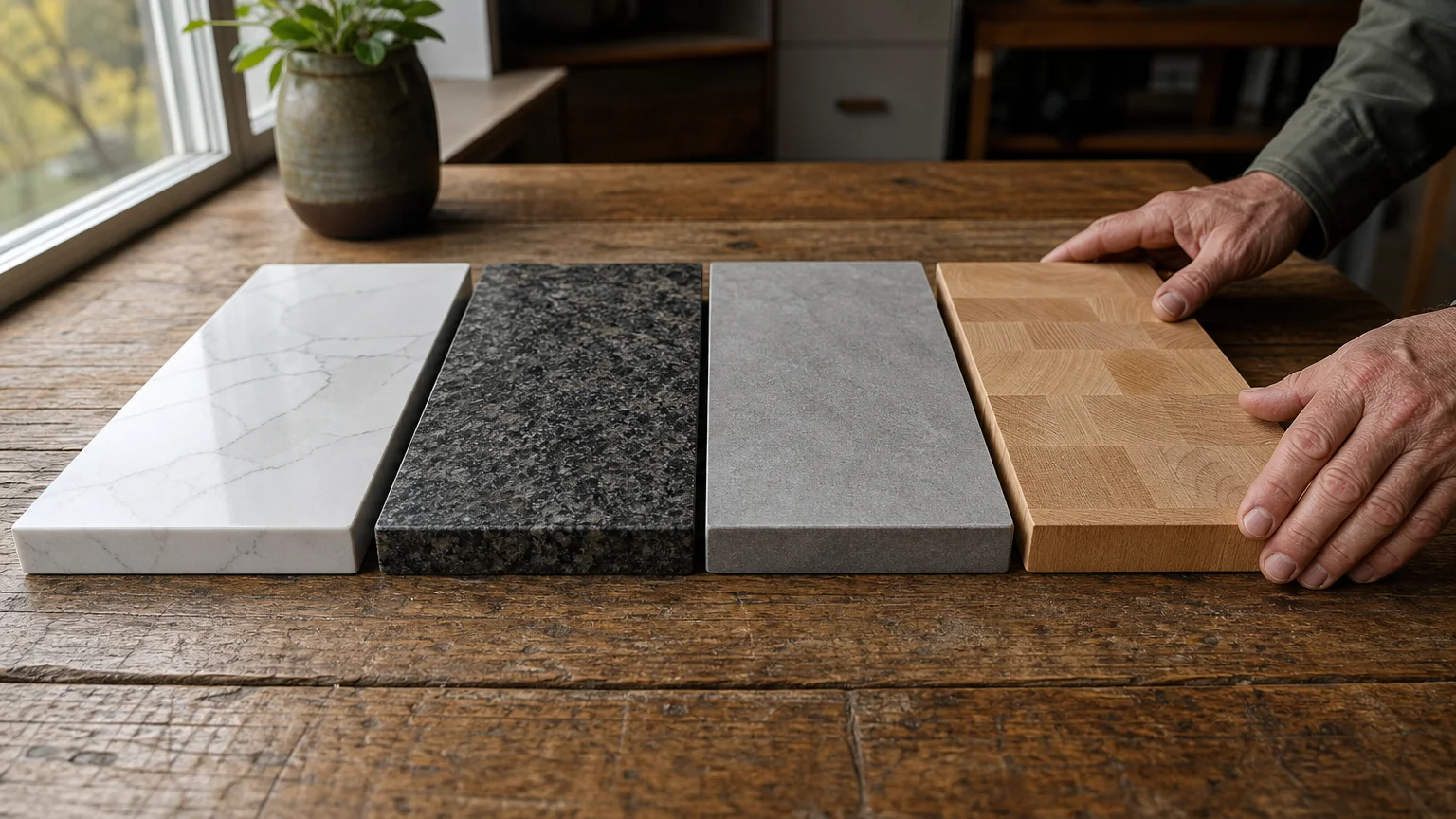
Engineered quartz offers a non-porous surface made from crushed natural quartz and durable resins. It firmly resists deep stains and never requires chemical sealing. Natural granite provides unparalleled structural density and raw heat resistance. Sintered stone, such as Dekton, represents the cutting edge of modern kitchen design. Manufacturers fire natural minerals at extreme temperatures to create an ultra-compact slab that scoffs at sharp knives and extreme heat. Edge-grain butcher block offers a fantastic, renewable option for hands-on homeowners. While wood is softer than stone, you can easily sand away deep gouges and re-oil the surface, turning it into a lifetime material.
Your material choice dictates the visual tone of your home renovation and the practical limitations of your cooking style. You must select a material that aligns with your daily habits, budget, and the structural weight capacity of your base cabinets.