
Maintenance & Long-Term Care
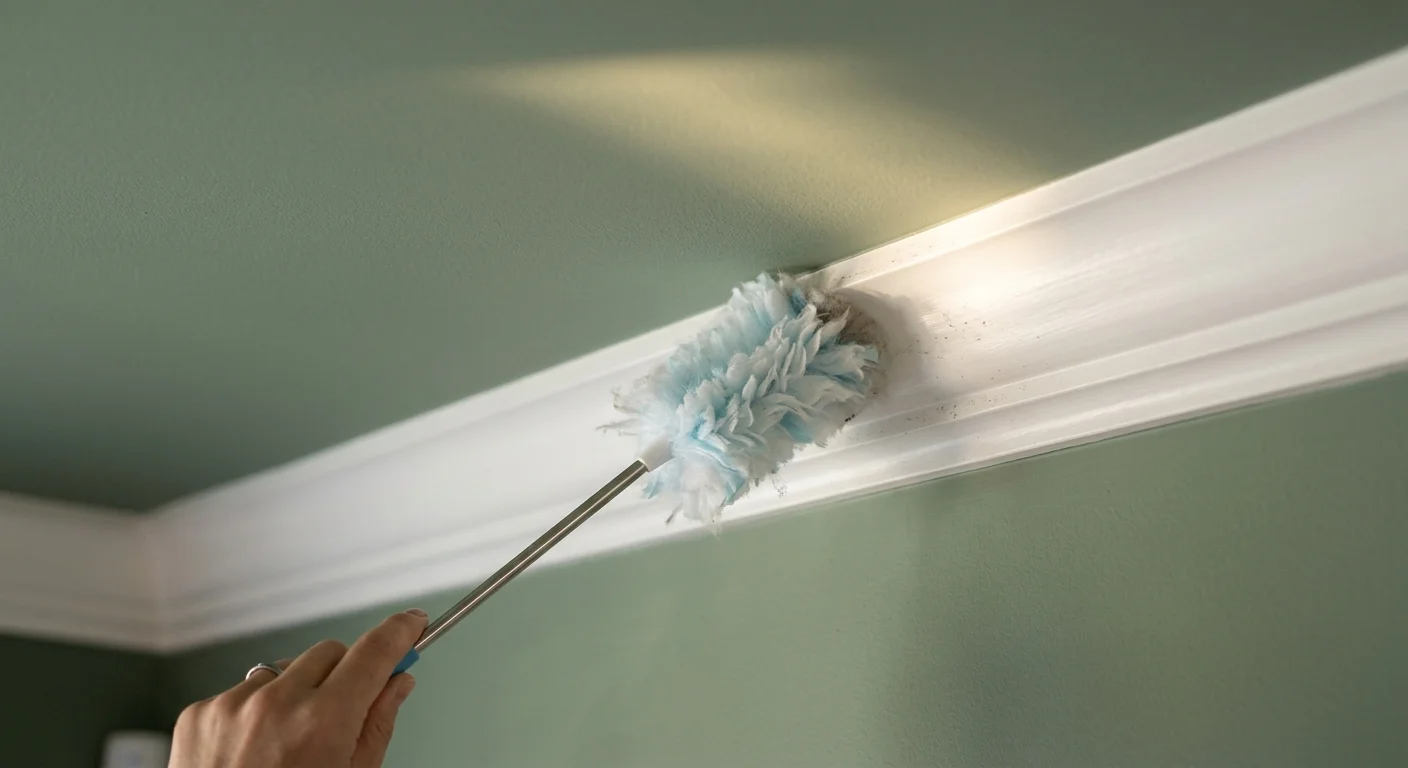
Once you finish your stunning overhead transformation, protecting your investment requires minimal but consistent maintenance. Painted ceilings naturally suffer less daily abuse than heavily trafficked hallway walls, but they still accumulate environmental debris over time. Dust, spiderwebs, cooking grease, and smoke residue gradually dull the vibrancy of your chosen color. To preserve that fresh, designer look, use a clean microfiber duster attached to an extension pole to sweep the corners and the main expanse of the ceiling every three months.
When dealing with accidental splatters, insect marks, or localized grime, exercise extreme caution during the cleaning process. Flat ceiling paint contains a high volume of pigment and very little protective resin, making it highly susceptible to burnishing—a shiny spot created when you rub the flat surface too hard. To spot-clean, lightly dampen a soft cellulose sponge with warm water and a single drop of mild dish detergent. Press the sponge gently against the stain and dab it repeatedly; never scrub aggressively in a circular motion. If the stain refuses to lift, you must touch up the paint rather than risk destroying the uniform finish.
Properly storing your leftover paint guarantees you possess the exact color match for future touch-ups. Do not leave a quarter-empty metal can sitting in a damp basement or uninsulated garage, as temperature fluctuations ruin the paint chemistry and metal cans quickly rust around the rim. Instead, pour the remaining ceiling paint into a clean, airtight glass mason jar. Wrap a strip of masking tape around the jar and label it with the date, the specific room, the brand, and the exact color name. Store the glass jar in a temperature-controlled utility closet so the paint remains viable for years to come.







Leave a Reply
You must be logged in to post a comment.