No matter their color, shape, or form, you probably know already that all plants need a certain degree of water to reach their full potential. After all, it’s nothing but basic knowledge that goes way back to introductory middle-school science class.
However, what you might not know is that there is an incorrect way to water your plants, which could easily put your plants at risk for disease or even kill them. Whether you want to cultivate pretty outdoor perennials or you just decided to get a new houseplant, make sure you remember what are the best and worst practices when it comes to watering your indoor plants, so you can only reap healthy and happy specimens.
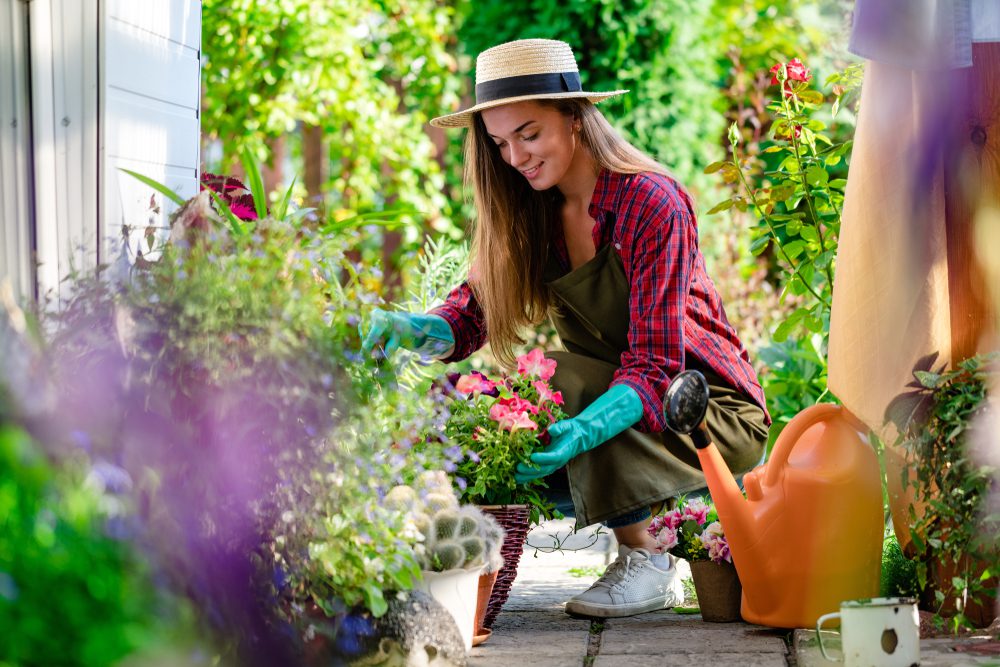
DO hydrate plants in the morning
Probably the best time of the day to water your plants is in the morning, according to an irrigation system designer and expert in Middlesex County, Massachusetts. You can water your outdoor plants as early in the morning as you can, to make sure you reduce evaporation.
The cool soils will ensure that the water gets the best chance of reaching the roots of the plants before it starts evaporating. Watering your plants very early will also enhance the minimum amount of moisture beneath the soil, or at least enough to withstand the heat of a hot summer day.
The worst time to water your garden plants is definitely at night. If you water the flowers and vegetables right after the sun goes down, then fungi might take hold.
DON’T water too frequently or too little
Before you water the plants, make sure you check the soil. It needs to be supple and not too wet. Especially when it’s hot outside, you might be tempted to water it just enough, and often enough, to keep that soil damp.
Shallow surface garden watering, on the other hand, deeply discourages deep root development. Instead, try to opt for a less frequent watering routine that will fully saturate the soil. Deeply water to promote strong root growth.
Moreover, it should encourage deeper, more resilient root systems. The wide majority of plants would rather grow in evenly moist soil, but the perfect moisture level depends on the plant species and stages of growth.
The standard rule of thumb is to give your flowers and vegetables the equivalent of 1 inch of water every week. But whatever you do, stop watering the plants when the soil is moist but not waterlogged.
DO water the plants only at the soil level
Directing water at the base of your plants will deliver the hydration right when it is needed, and that is the roots. Consider winding a soaker hose in between your plants in a flower or even a vegetable bed to soak the soil slowly and deeply and enhance health growth.
Make sure you water slowly, so the water can efficiently soak into the soil surrounding the plants and be available to the roots, as opposed to only running off.
DON’T use broadcast sprinklers
In addition to soaking the plant’s leaves, which can easily increase the risk of a fungal disease, it’s worth mentioning that broadcast sprinklers are highly inefficient. For example, on a hot or windy day, the wide majority of the water distributed by this specific type of automatic plant watering system can easily evaporate or blow away before it even reaches the plant. This way, less water goes to the base of the plant.
DO water outdoor container plants at least once per day
The soil in container gardens and flowerpots generally dries out more rapidly than soil in a garden plot or flower bed. The smaller the container, the more frequently you’ll have to water it.
However, make sure to drain the excess water from the bottom of pots to prevent waterlogging. Soak the oil in containers early in the morning, and, if the mercury in the thermometer climbs to 90 or above, just give them another soaking in the afternoon.
Alternatively, insert an automatic plant waterer that features a hollow spike and attaches to a standard plastic water bottle. As the spike is inserted in the pot, water will slowly seep deep into the soil, offering the plant a steady supply of water.
DON’T forget that trees also need water
In case you’ve missed it, newly planted trees and shrubs should be thoroughly soaked with water at least 2 times per week for the first month. After this amount of time, try to water weekly during their first growing season.
Moreover, established trees and shrubs (meaning they have at least 2 years) only have to be watered once every 2 weeks during the growing season when rain is scarce.
DO use a wand to water container plants
A watering wand generally extends to reach your arm, which also allows you to direct water at soil level in overhead hanging plants but also in short, ground-level flower pots on the ground without needing to stretch or stoop. You will be able to conserve water by directing only the amount that’s needed to the base of the plant and you will also save your sciatica.
DON’T water container plants with a jet-type spray nozzle
Pressurized nozzles are wonderful for washing off driveways and sidewalks. However, the spray that they deliver can severely damage tender foliage and also blossoms. It can also easily disturb the solid around the roots of a container plant.
If you don’t have a watering wand, just try to remove the nozzle from the garden hose, then hook the hose into the hanging pot or container, and then let the water run out slowly.
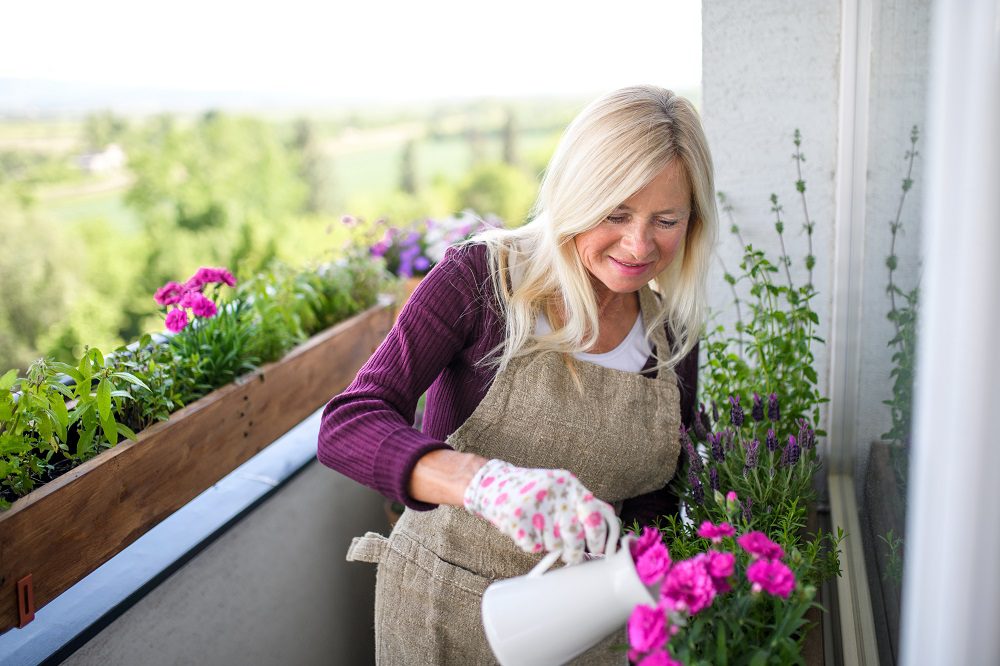
DO check moisture levels
Garden plants might suffer when the soil dries out. The wide majority of plants could go for a couple of days up to a week without water. But it is very important to monitor them and make the necessary adjustments to their water.
As a general rule, plants don’t like “wet feet,” which also means they suffer if their roots sit in water and don’t get enough oxygen. For instance, on a hot and windy day, the soil’s surface could appear dry, while the ground beneath is still moist.
That’s why it’s very important to perform a rapid check to make sure you don’t overwater. You can keep a wooden dowel handy, then insert a couple of inches into the garden soil then pull it out and check it. As a general rule, moist soil will stick to the dowel. However, if it comes out clean, the soil might be dry, and then it’s time to water it.
DON’T rely on rain
The majority of garden plants, flowers, and shrubs do very well when they receive at least 1 inch of water every week, even if they may need a lot more during hot summer months. Rain isn’t always enough for plants to thrive, so don’t try to count on it too much to keep your plants in tip-top shape.
Instead, try to keep a rain gauge in the garden and monitor weekly rainfall. If your garden gets less than 1 inch of rain, you can supplement by watering. If you have your own way to harvest rainwater, use it for irrigation during dry spells. That’s the ideal scenario.
If you found this article useful, we also recommend checking: 7 Natural Ways to Eliminate Slugs from Your Garden