
Maintenance & Long-Term Care
Resolving a dispute over HOA delinquent accounts is only the first step. You must implement ongoing maintenance strategies to protect your financial standing and ensure your association remains compliant with state laws year after year.
Start by automating your regular assessment payments. Set up an electronic transfer through your bank a few days before the due date. This routine maintenance prevents accidental late payments, entirely removing the risk of triggering the collections process in the future. Always keep a digital copy of your payment confirmations. If management companies change software—which happens frequently—your payment history can disappear. Your personal records serve as your ultimate backup.
Perform seasonal upkeep by attending the annual homeowners association meeting every fall or spring. Pay close attention when the board discusses the upcoming budget or introduces new community guidelines. If the board votes on new homeowners association rules, raise your hand and politely ask when the board plans to file the amendments with the county clerk. Asking this question holds the board accountable and prevents unrecorded rules from circulating through the community.
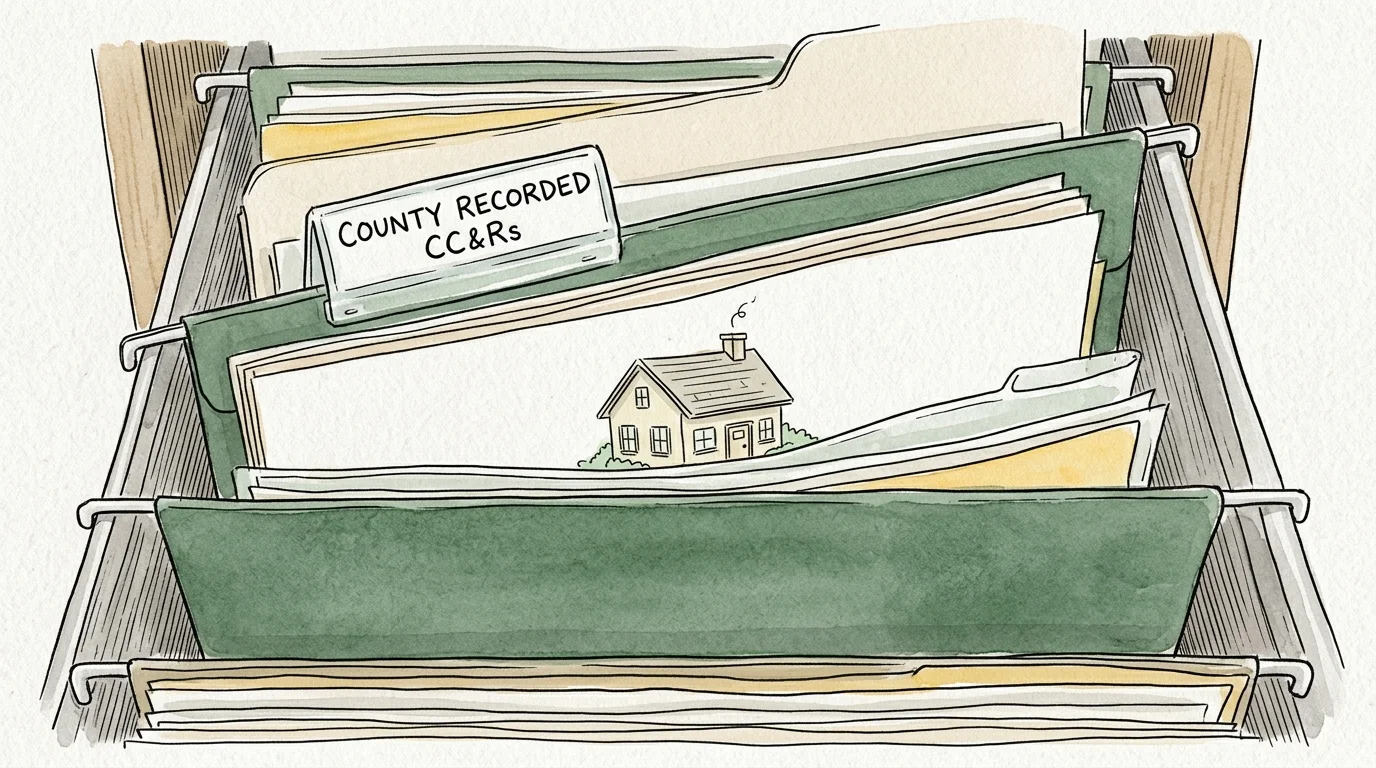
For long-term care, build a permanent HOA file in a fireproof safe or secure cloud storage drive. Treat your association records with the same respect you give your tax returns. Keep copies of your CC&Rs, correspondence, and ledgers for at least seven years. The Community Associations Institute often recommends that homeowners maintain active, engaged communication with their boards to foster healthy communities. By staying vigilant and organized, you guarantee that your property rights remain protected long after your initial dispute is resolved.








Leave a Reply
You must be logged in to post a comment.