
Step-by-Step Instructions
Phase 1: Deep Cleaning and Drywall Repair
Start by removing all artwork, mirrors, and outlet covers from the hallway. Lay your canvas drop cloths securely over the flooring, taping the edges to the baseboards to prevent tripping hazards. Once you protect the floor, mix a solution of warm water and mild degreaser. Wash the walls thoroughly from the ceiling down to the baseboards, focusing heavily on the areas around light switches where natural skin oils accumulate. Let the walls dry completely.
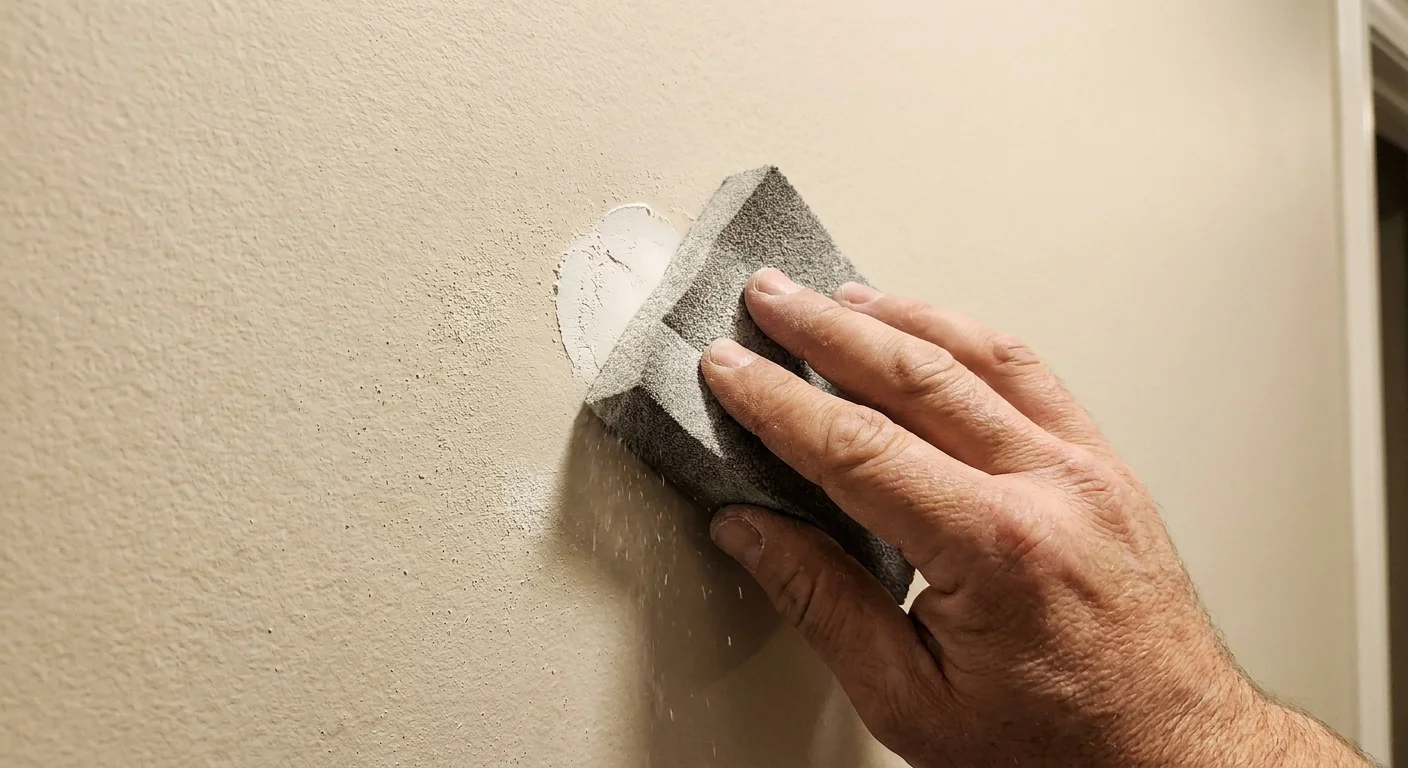
Next, inspect the drywall under a harsh utility light. Circle every dent, nail hole, or scratch with a pencil. Fill these imperfections with lightweight spackle using your flexible putty knife. Smooth the spackle as much as possible while it remains wet to minimize your sanding time later. Allow the spackle to dry according to the manufacturer’s instructions—usually around two hours. Put on your dust mask and use a 220-grit sanding sponge to feather the patched areas until they feel completely flush with the surrounding wall. Wipe the walls down with a barely damp microfiber cloth to remove all lingering drywall dust.
Phase 2: Cutting In and Priming
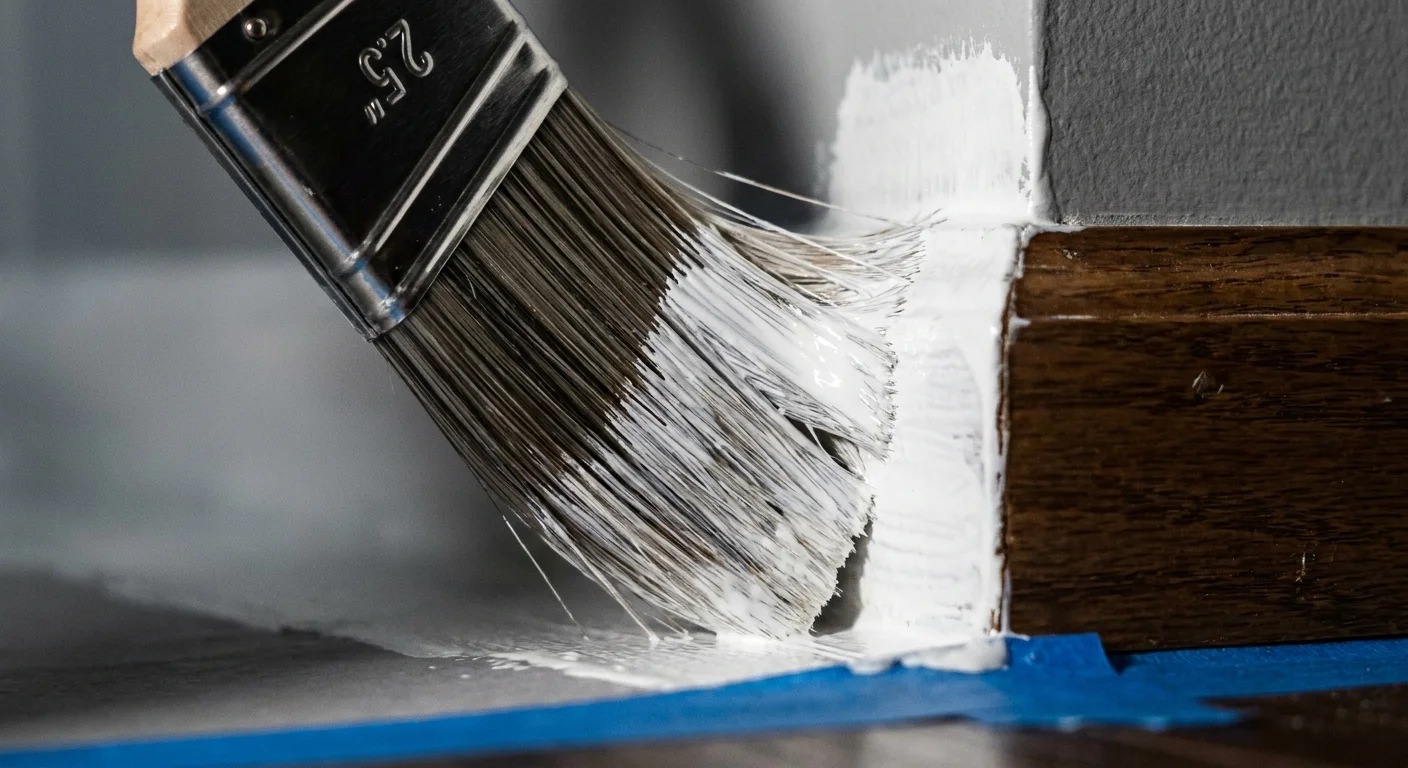
Apply your high-quality painter’s tape along the top edge of the baseboards, around door casings, and across the ceiling line if you do not plan to paint the ceiling. Press the tape down firmly with a putty knife to prevent paint bleed. Open your primer and pour a small amount into a handheld cut-in cup. Using your 2.5-inch angled brush, paint a two-inch border of primer along all taped edges and corners.
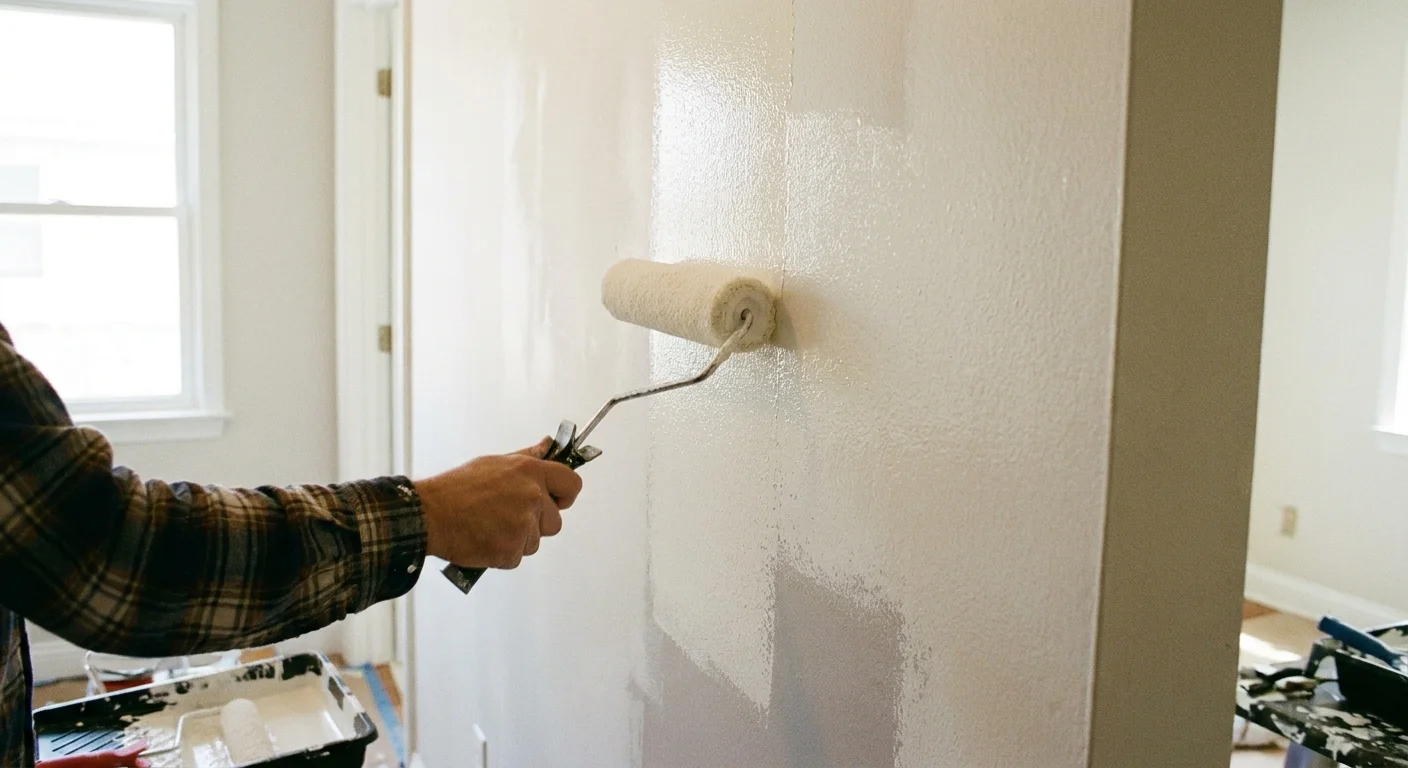
Once you finish cutting in, pour the remaining primer into a roller tray. Load your 3/8-inch nap roller evenly, ensuring it remains saturated but not dripping. Roll the primer onto the walls using overlapping “W” or “V” patterns, working in three-foot sections. This technique evenly distributes the primer and prevents roller marks. Allow the primer to dry for at least four hours, or as directed by the label. Proper ventilation speeds up drying, so set up a box fan at the end of the hallway to keep air moving.
Phase 3: Applying the Color and Finishing
Stir your chosen paint color thoroughly to blend any settled pigments. Repeat the cutting-in process around the trim and ceiling using your fresh color. Work efficiently so the cut-in border remains wet when you begin rolling; maintaining a “wet edge” ensures a seamless blend between the brushed and rolled areas.
Switch to your roller and apply the first coat of paint using the same “W” pattern you used for the primer. Apply light, even pressure, letting the roller do the work. Wait for the first coat to dry completely—typically two to four hours. Apply a second coat to achieve maximum color depth and durability. Remove the painter’s tape while the second coat remains slightly damp to the touch; pulling tape over fully cured paint can peel your crisp new lines. Reinstall your outlet covers and hardware only after the walls dry completely.






Leave a Reply
You must be logged in to post a comment.