
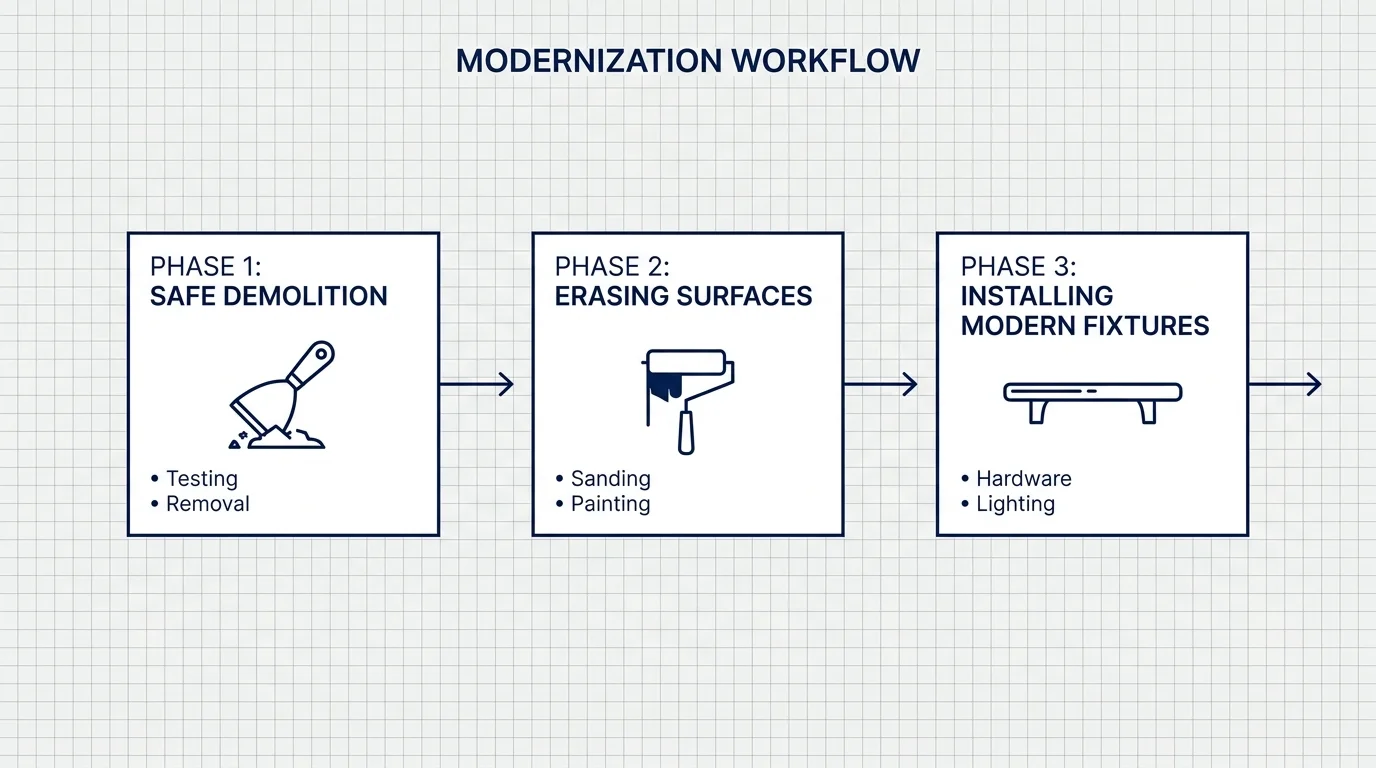
Step-by-Step Instructions
Updating your home requires a strategic approach. Start with the messiest projects first, so you do not accidentally ruin your fresh paint jobs or new flooring later. Work room by room if you currently live in the house, or tackle tasks by category if the property sits empty.
Phase 1: Safe Demolition and Clearing the Canvas
Begin by removing the visual clutter that blocks natural light. Take down all heavy window valances, ornate drapery, and rusted curtain rods. Patch the drywall holes immediately with a lightweight spackle, sanding them smooth once dry. Next, tackle the flooring. If you are removing wall-to-wall carpeting, use a utility knife with a fresh blade to slice the carpet into manageable three-foot strips. Roll the strips up and secure them with duct tape for easy disposal. Use a heavy pry bar and pliers to carefully pull up the wooden tack strips around the perimeter of the room, taking care not to damage the baseboards. Sweep and vacuum the exposed subfloor thoroughly.
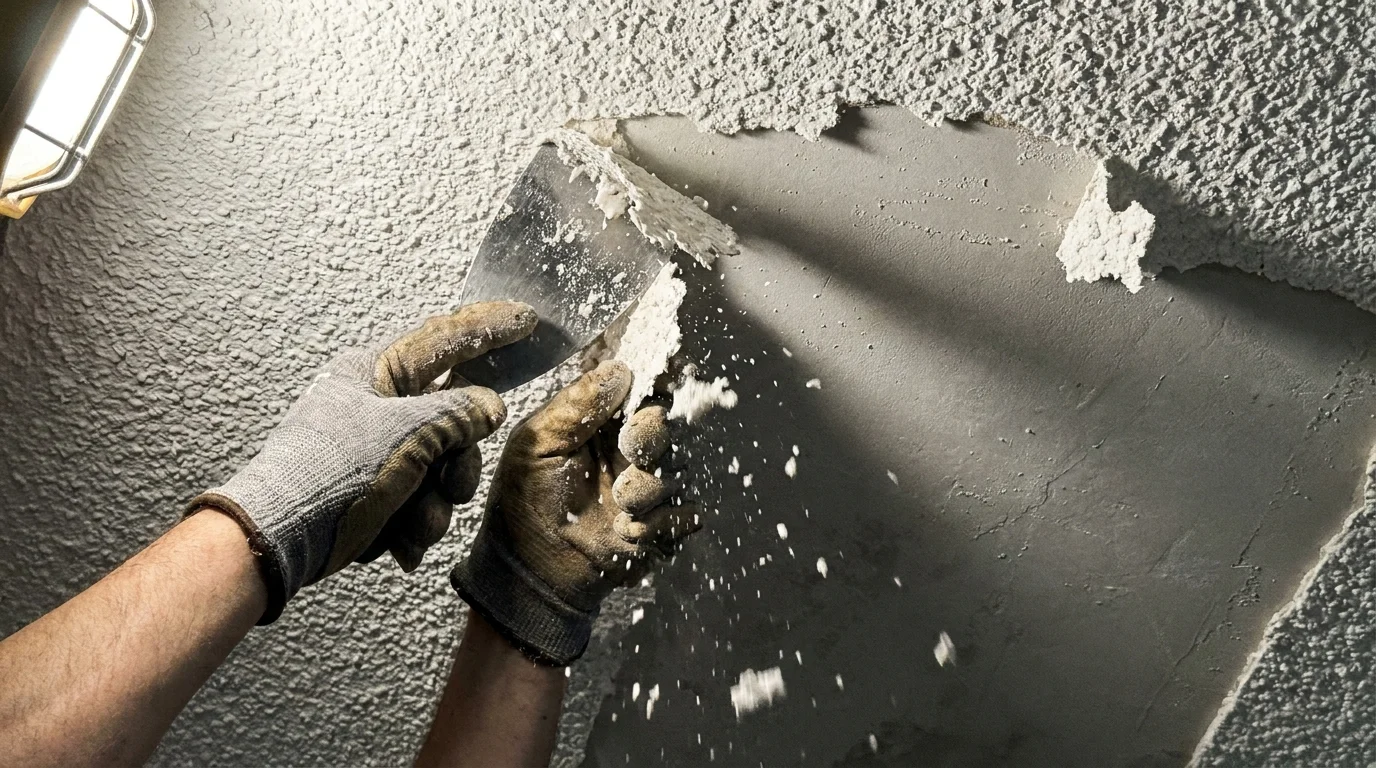
If your asbestos test returns negative, you can safely remove your popcorn ceilings. Protect your floors with thick plastic drop cloths taped securely to the baseboards. Fill your pump sprayer with warm water and a few drops of dish soap. Work in small, four-foot sections. Spray the ceiling lightly and wait fifteen minutes for the water to dissolve the underlying joint compound. Slide your wide drywall knife at a shallow angle along the ceiling; the popcorn texture should fall away like wet oatmeal. If you encounter heavy resistance, the ceiling may have been painted over in the past. Painted popcorn ceilings resist water and often require professional drywall skimming to cover the texture safely.
Phase 2: Erasing Outdated Surfaces
With the demolition complete, shift your focus to neutralizing outdated paint jobs and heavy wood tones. To eliminate faux Tuscan sponging or deep, aggressive wall colors, you cannot simply roll standard latex paint over the wall. The texture and dark pigment will flash through. First, sand the walls lightly with a pole sander to knock down any raised paint edges left by the sponge or rag rolling. Wipe the walls completely free of dust. Apply one solid coat of a high-hiding stain-blocking primer. Once dry, roll on two coats of a modern, neutral flat or matte wall paint to absorb light and hide any lingering drywall imperfections.
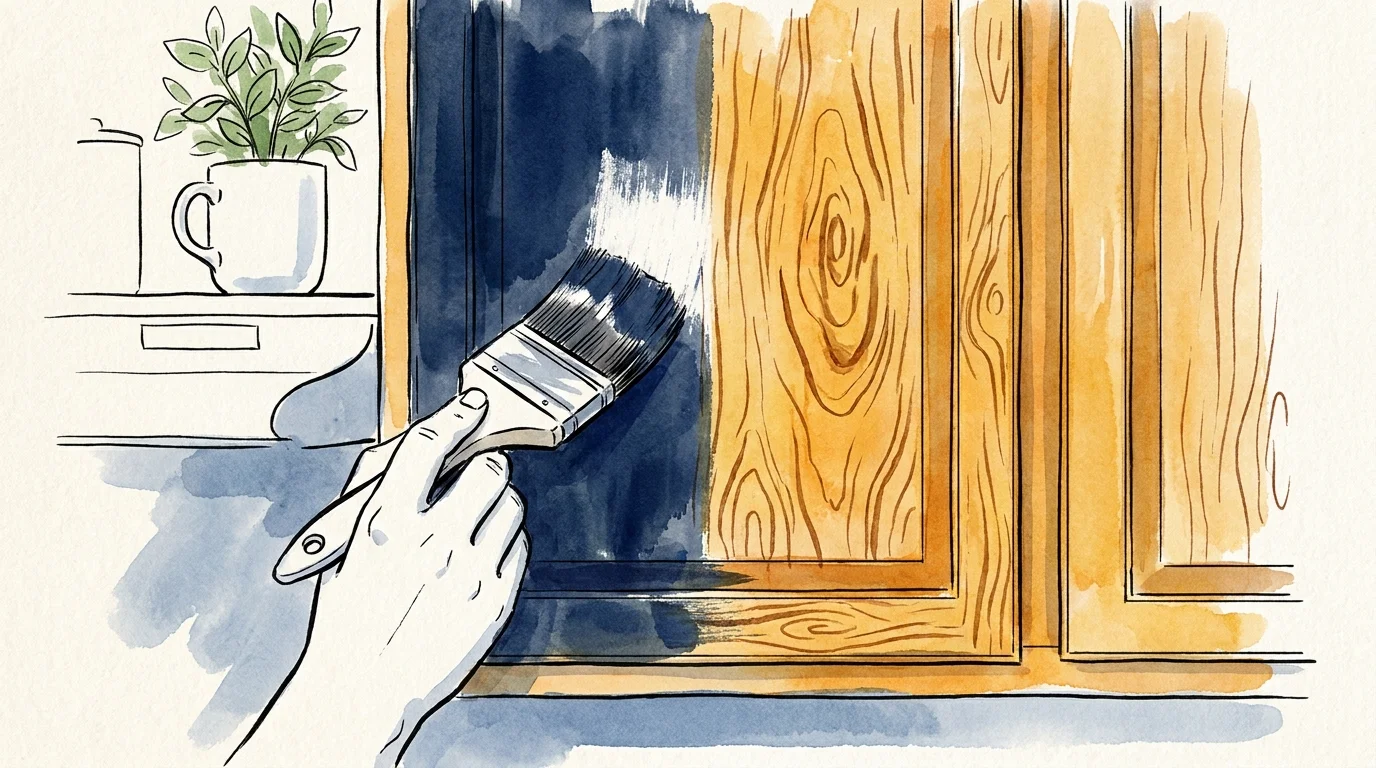
Updating honey oak cabinets demands patience. Remove all cabinet doors and drawer fronts, labeling the back of each piece with a piece of painter tape so you know exactly where it goes later. Clean every surface aggressively with your degreaser to remove decades of cooking oils and hand oils. Lightly sand the doors with 120-grit paper to scuff the glossy clear coat. Apply your shellac-based primer, brushing in the direction of the wood grain. Wait two hours, sand lightly with 220-grit paper, and wipe away the dust. Finally, apply two thin, even coats of your urethane enamel paint. Keep the doors laying flat while drying to prevent unsightly paint drips from running down the recessed panels.
Phase 3: Installing Modern Fixtures and Hardware
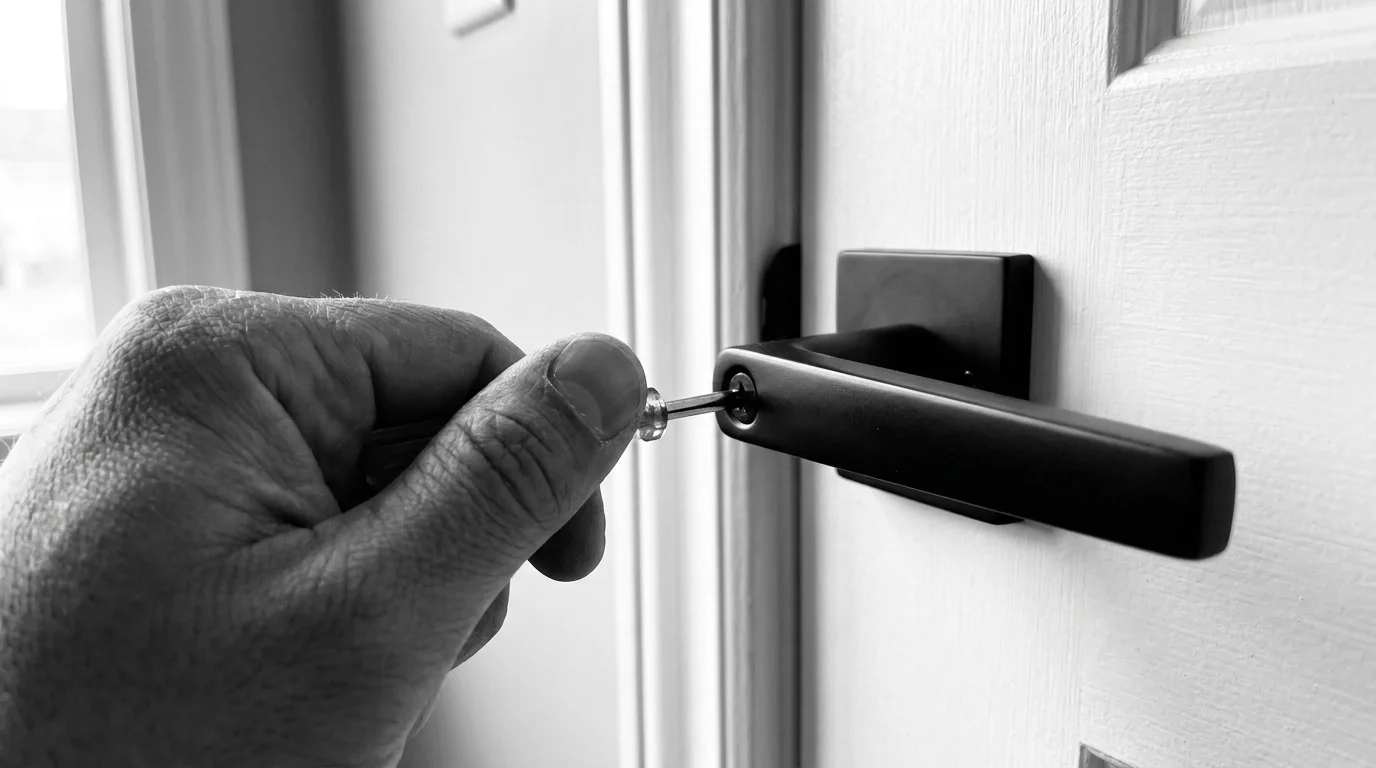
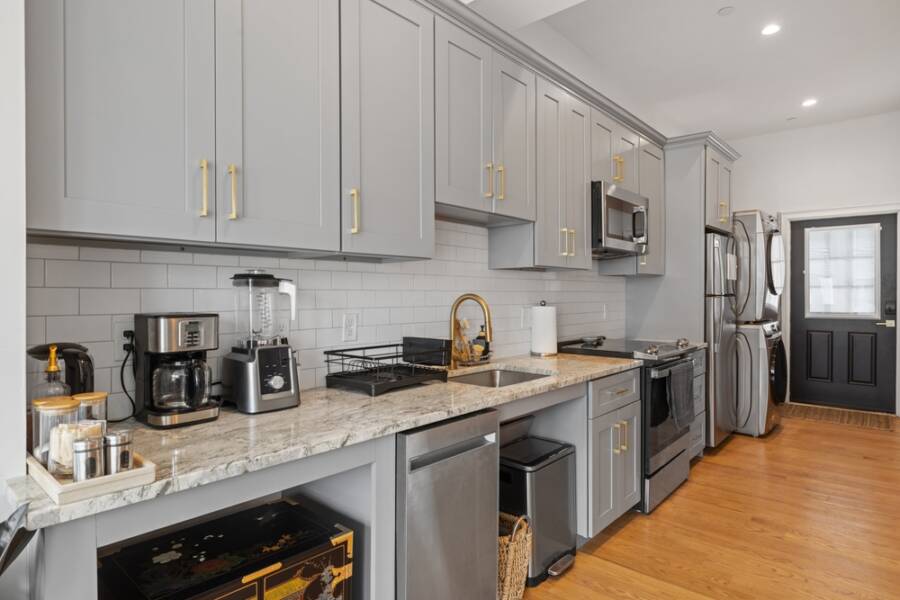
Swapping out outdated brass hardware provides an immediate visual reset. If your new cabinet pulls feature the exact same hole spacing as the old ones, installation takes mere minutes. If you are switching from single-hole knobs to wider pulls, use your plastic hardware template to mark the exact location for the second hole. Drill straight through the wood, holding a scrap piece of wood tightly against the back of the door to prevent the drill bit from splintering the interior face of the cabinet. Attach the new matte black or brushed nickel handles securely.
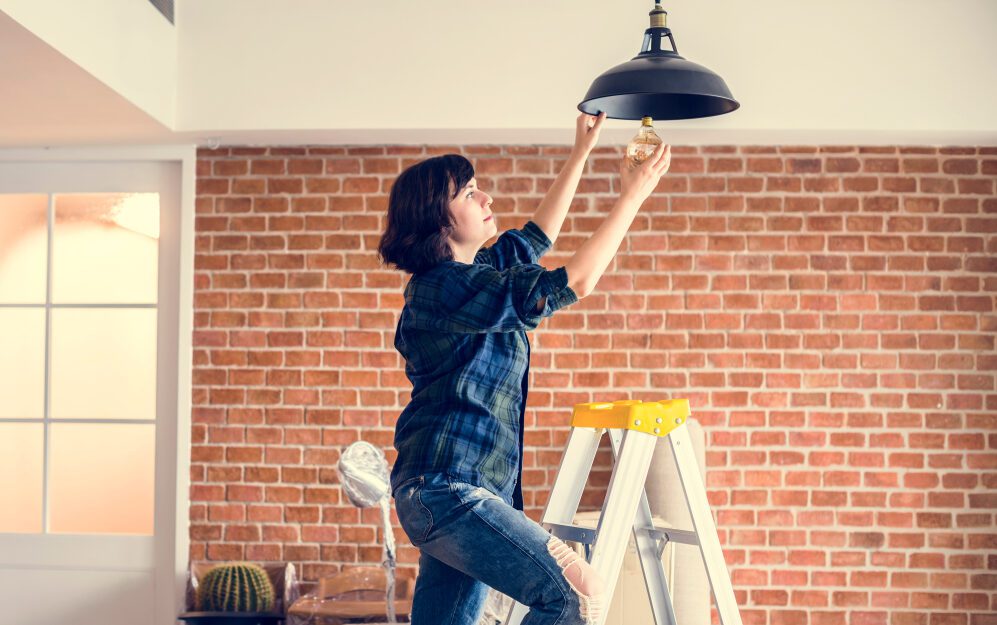
Replacing builder-grade dome lights dramatically improves both the look and functionality of your space. Always prioritize safety: locate your main electrical panel and completely shut off the breaker controlling the room you are working in. Do not rely merely on the wall switch. Climb your ladder and use your non-contact voltage tester near the light fixture to verify the power is genuinely dead. Remove the old fixture by unscrewing the mounting canopy and untwisting the wire nuts. Have a helper hold the new, modern flush-mount or pendant fixture while you connect the wires. Match the colors—connect the black house wire to the black fixture wire, the white wire to the white wire, and wrap the bare copper ground wire tightly around the green grounding screw on the metal mounting bracket. Twist new wire nuts onto the connections, tuck the wires neatly into the junction box, and secure the new fixture to the ceiling.





Leave a Reply
You must be logged in to post a comment.