
Tools, Materials, and Prep Checklist
Preparation separates a profitable DIY update from a messy, expensive disaster. Because you are tackling multiple small projects across your house, organizing your materials by category keeps the workflow efficient. Do not rush out and buy everything at once; purchase your supplies as you tackle each specific feature. Below is the master list of tools and materials you need to execute these updates safely and effectively.
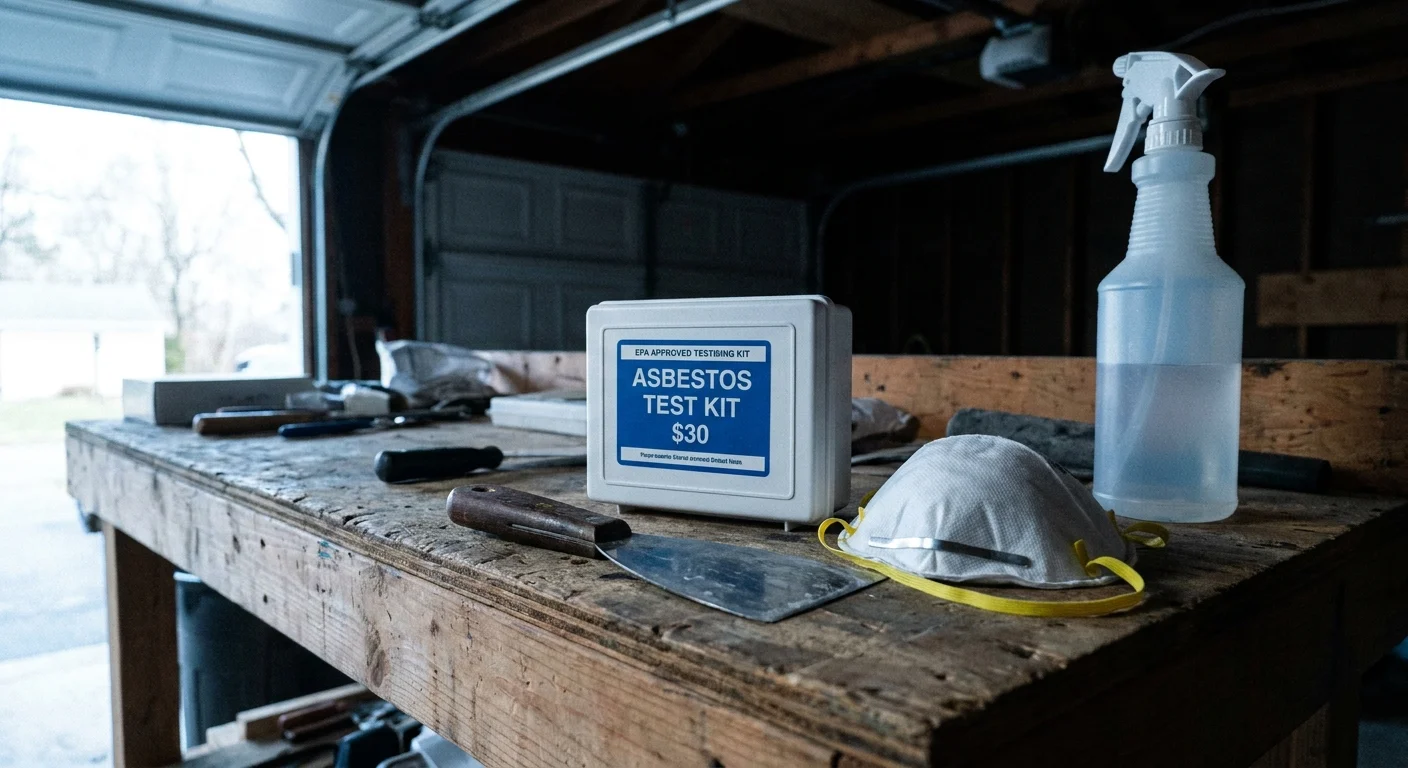
Demolition and Testing Supplies: Before scraping a single inch of a popcorn ceiling built before 1980, you must purchase an EPA-approved asbestos testing kit. These cost approximately $30 at major hardware stores and require you to mail a sample to a lab. You also need a heavy-duty step ladder, a wide drywall taping knife, a garden pump sprayer for saturating textured ceilings, and heavy-duty contractor garbage bags for the debris.
Painting and Surface Prep Materials: Erasing faux finishes and updating honey oak requires chemical intervention before you open a paint can. Buy a liquid deglosser and a heavy-duty degreaser like Trisodium Phosphate. You need 120-grit and 220-grit sandpaper, a high-quality synthetic bristle brush, and foam rollers to achieve a smooth finish on cabinets. Invest in a premium, stain-blocking shellac primer—expect to spend about $50 per gallon, but this specific primer guarantees the heavy oak grain and dark faux paint colors will not bleed through your fresh topcoat. For the topcoat, purchase a durable urethane alkyd enamel designed specifically for cabinetry and trim.
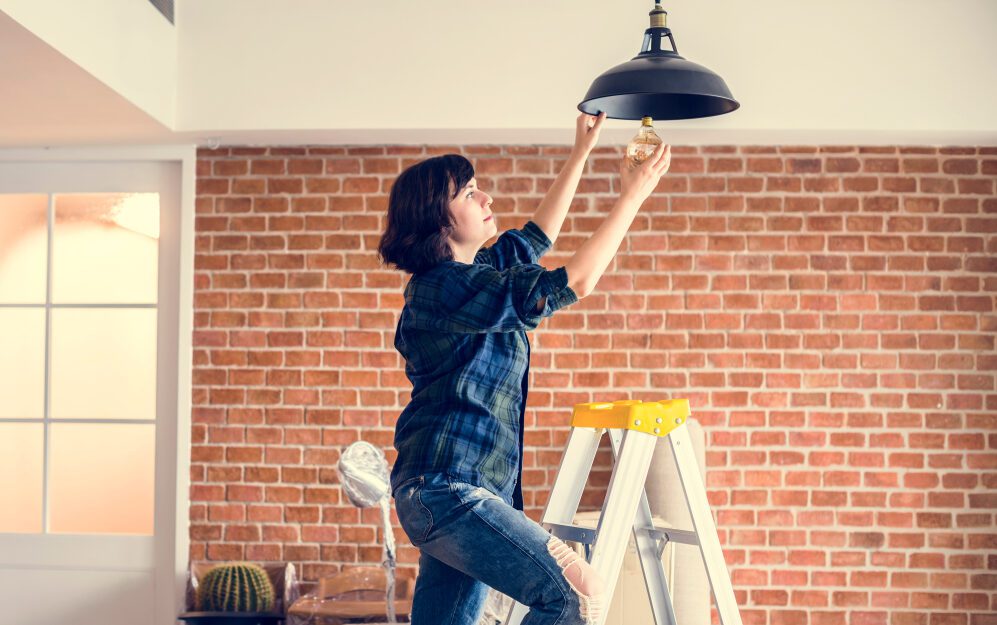
Hardware and Electrical Tools: Swapping outdated brass fixtures and builder-grade lighting requires a basic but reliable tool kit. You need a non-contact voltage tester—this is a non-negotiable safety tool that costs $15 and saves lives by confirming a wire carries no current. Keep a set of wire strippers, electrical tape, wire nuts, and a multi-bit screwdriver on hand. For cabinet hardware updates, buy a plastic cabinet hardware template guide. This $10 piece of plastic ensures every new handle you drill sits perfectly level and aligned.
Safety Equipment: Protect yourself during every phase of these updates. Purchase a well-fitting N95 or P100 respirator mask to protect your lungs from drywall dust and chemical fumes. Safety goggles are mandatory when scraping ceilings or wiring overhead light fixtures. Keep a reliable pair of work gloves nearby to protect your hands when pulling up old carpet tack strips or handling rough wood.







Leave a Reply
You must be logged in to post a comment.