
Renters insurance does far more than replace a sofa after an apartment fire; it acts as a dynamic financial shield for your daily life. Securing comprehensive home insurance for renters protects your bank account from unpredictable disasters, whether a thief breaks into your car three states away or a sudden plumbing failure ruins your electronics. Tenants often skip this crucial coverage, wrongly assuming their landlord’s policy covers personal belongings. This oversight leaves you vulnerable to massive expenses without theft protection, accidental damage coverage, and liability support. Grasping your renter rights and insurance benefits empowers you to navigate emergencies smoothly. Discover the hidden value of your policy and learn how to leverage it during unexpected curveballs.
Project Overview & Why It Matters
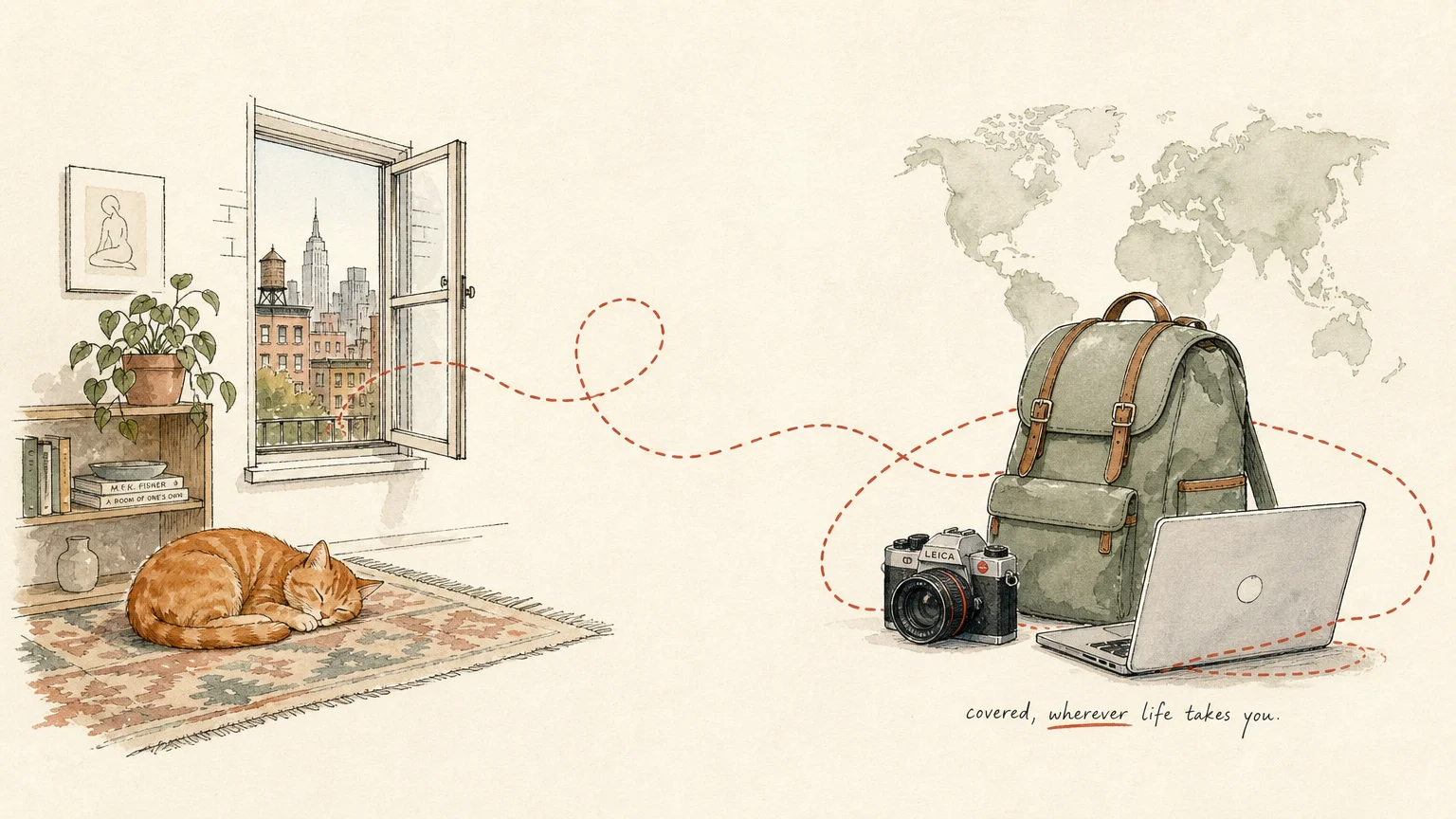
Most tenants view renters insurance as an administrative checklist item required by property managers before handing over the keys. However, treating your policy merely as a bureaucratic hurdle ignores its incredible utility. A robust renters policy functions as a safety net that follows you far beyond the physical walls of your apartment, guarding your budget against sudden shocks and accidents. To truly maximize your coverage, you need to understand the surprising, everyday scenarios where this financial tool steps in to save the day.
Situation 1: Off-Premises Theft Protection
You pack your bags for a highly anticipated overseas vacation, only to have your expensive camera and laptop stolen from a train car in Europe. Because personal property coverage generally extends globally, your renters policy reimburses you for those stolen electronics. This global theft protection ensures that your belongings remain covered whether they sit on your coffee table or inside a hotel room across the world.
Situation 2: Dog Bite Liability
You take your usually friendly rescue dog to a crowded park, and a sudden loud noise causes your pet to snap and bite another dog owner. Medical bills and legal fees stemming from dog bites escalate rapidly—often exceeding tens of thousands of dollars. The personal liability component of your renters policy typically covers these medical expenses and any subsequent legal defense, shielding your personal savings from a devastating lawsuit.
Situation 3: Power Outages and Spoiled Food
A severe summer storm knocks out the local power grid for three days. The hundreds of dollars in groceries you just loaded into your refrigerator inevitably spoil. Many renters do not realize that standard policies offer accidental damage coverage for food spoilage caused by widespread power failures. Filing a quick claim helps you restock your kitchen without draining your grocery budget for the month.
Situation 4: Accidental Damage to Borrowed Property
You borrow your friend’s high-end digital projector for a weekend movie night, but a clumsy guest trips over the cord and shatters the device. Replacing a $1,500 projector out of pocket stings, but your renters liability coverage frequently extends to property belonging to others that you accidentally damage while it remains in your care.
Situation 5: Loss of Use and Relocation Expenses
The upstairs neighbor accidentally leaves their bathtub running, sending hundreds of gallons of water crashing through your ceiling. While your landlord must repair the building infrastructure, your apartment becomes completely uninhabitable for three weeks. Your policy’s “Loss of Use” coverage pays for your hotel stays, extra commuting costs, and even restaurant meals while you wait for the drywall to dry and the space to become safe again.
Situation 6: Storage Unit Security
You rent a climate-controlled storage unit across town to hold your vintage furniture and seasonal decor. If thieves break the padlock and empty your unit, your renters insurance steps in. Most policies extend personal property protection to items kept in secondary storage locations, usually up to a certain percentage of your total coverage limit.
Situation 7: Negligence-Based Apartment Damage
You attempt a minor DIY repair under your bathroom sink and accidentally strip a valve, causing a massive leak that damages the apartment below yours. Your landlord’s property insurance covers the building, but the landlord’s insurer will likely sue you for the repair costs. Your renters liability coverage steps in to pay for the property damage you inadvertently caused to the building structure and neighboring units, preserving your renter rights and financial stability.









Leave a Reply
You must be logged in to post a comment.