
Step-by-Step Instructions
Interior designers utilize specific tactics to create a restorative environment. Here is how you can apply these nine designer secrets using practical, hands-on home improvement techniques.
Phase 1: Clear the Visual Field (Secrets 1 & 2)
Secret 1: Concealed Storage. Visual clutter prevents mental relaxation. Rather than adding more decorative bins, install structural, concealed storage. Build floating shelves with deep, opaque baskets, or install built-in cabinetry. When anchoring heavy shelving, always use a stud finder. Drive 2.5-inch wood screws directly into the wall studs. If a stud is unavailable, use toggle bolts rated for at least 75 pounds.
Secret 2: Master Negative Space. Designers know that the empty space in a room is just as important as the furniture. To achieve this, eliminate tangled cords and floating wires. Install an in-wall cable management system behind your television. Cut a hole behind the TV and another near the baseboard outlet using a drywall saw. Drop the cables behind the drywall, adhering strictly to the National Electrical Code (NEC) which prohibits running standard power cords inside walls. Use a code-compliant power relocation kit to maintain fire safety.
Phase 2: Establish the Foundation (Secrets 3 & 4)
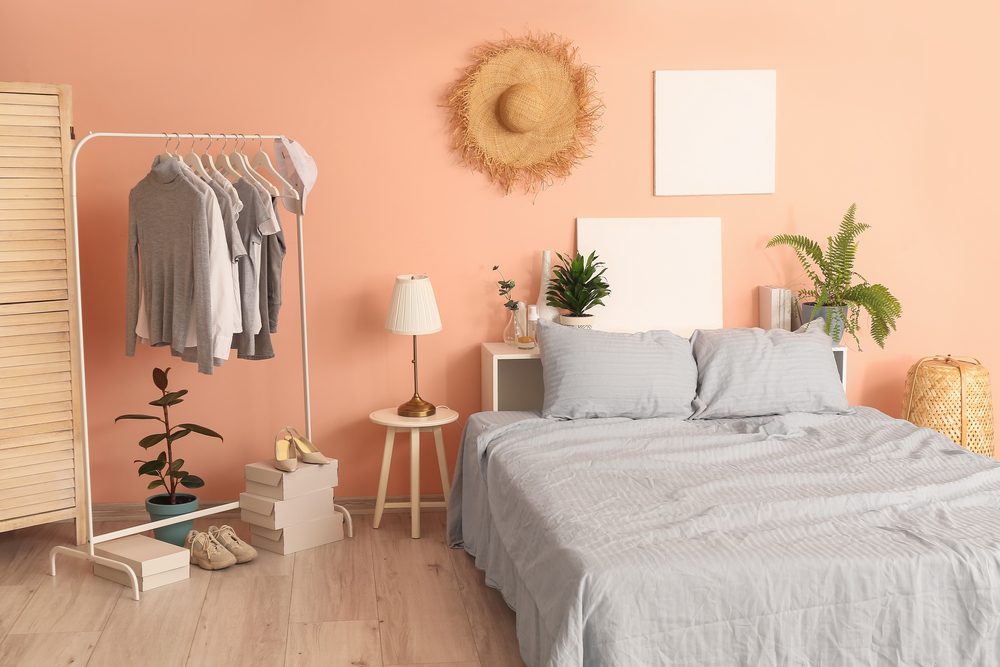
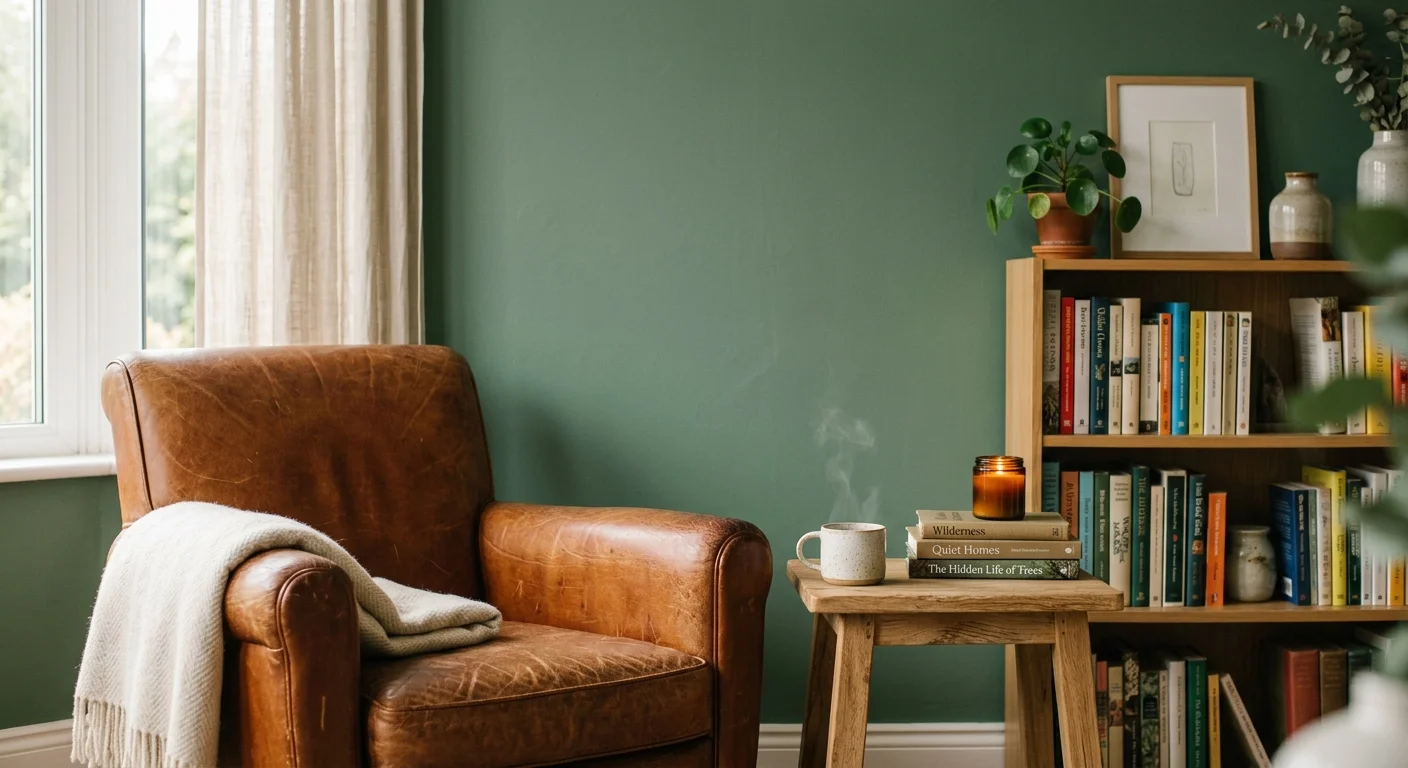
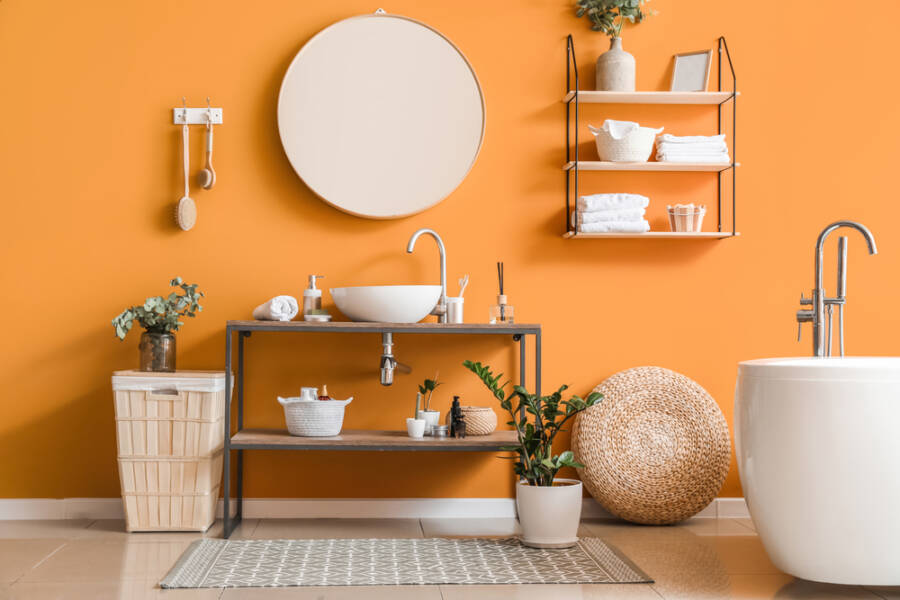
Secret 3: Color Psychology. High-contrast colors stimulate the brain; low-contrast, muted tones calm it. Apply a monochromatic or analog color scheme using nature-inspired hues. Before painting, apply painter’s tape to the baseboards and ceiling line. Cut in the edges with an angled sash brush, then use a roller on an extension pole to apply the paint in overlapping “W” motions. This technique prevents roller marks and ensures a smooth, soothing finish.
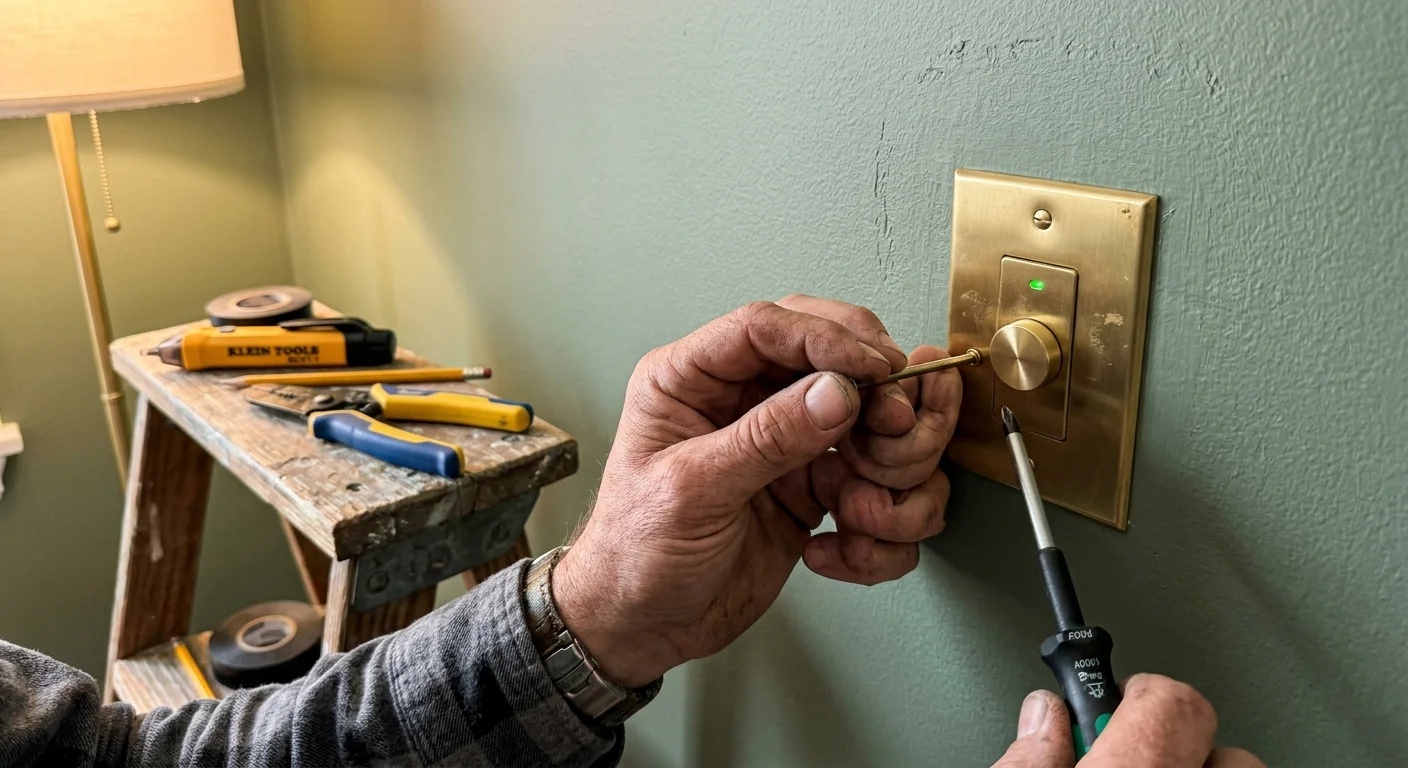
Secret 4: Layered and Controlled Lighting. Overhead lighting casts harsh shadows that cause eye strain. Replace standard toggle switches with LED-compatible dimmers. First, confirm the breaker is off. Remove the old switch, taking note of the ground wire (usually bare copper or green) and the hot wires. Connect the new dimmer using wire nuts, ensuring no bare copper is exposed outside the nut. Wrap the connections in electrical tape for added security. Layer this overhead light with strategically placed floor and table lamps equipped with warm-white bulbs (2700K to 3000K).
Phase 3: Soften the Architecture (Secrets 5 & 6)
Secret 5: Acoustic Dampening. Hard surfaces bounce sound waves, creating a loud, chaotic environment. Mitigate this by installing heavy, sound-absorbing curtains. Mount the curtain rod brackets four to six inches above the window frame and extend them six to eight inches beyond the sides. This placement creates the illusion of larger windows and allows the fabric to absorb maximum sound. Drill pilot holes and insert heavy-duty anchors to support the weight of dense velvet or lined linen drapes.
Secret 6: Tactile Layering. A peaceful home engages the sense of touch. Add physical texture to your walls by installing picture frame molding or a subtle wainscoting. Measure your walls with a laser level, cut the polyurethane or wood trim using a miter saw at 45-degree angles, and attach them using a pneumatic brad nailer and construction adhesive. Caulk the seams and paint the trim the same color as the walls to add quiet, sophisticated depth.
Phase 4: Balance and Life (Secrets 7, 8, & 9)
Secret 7: Symmetrical Arrangements. The human brain easily processes symmetry, which translates to a feeling of calm. Measure your room and find the architectural focal point—usually a fireplace or a large window. Arrange your primary seating and lighting to mirror each other across this central axis. Use your tape measure to ensure side tables and lamps are equidistant from the central point.
Secret 8: Biophilic Design. Integrating nature reduces heart rates and blood pressure. Hang indoor plants to draw the eye upward and improve air quality. Locate a ceiling joist using your stud finder. Pre-drill a hole and screw in a heavy-duty swag hook. Never hang a heavy potted plant from drywall alone; the moisture weight will eventually tear the anchor out of the ceiling.
Secret 9: Ambient Air Quality. A stuffy room feels inherently stressful. Upgrade your home’s HVAC system by installing filters with a MERV rating of 11 or 13 to capture fine dust and allergens. Pair this mechanical upgrade with subtle scent distribution. Install a smart diffuser that operates on a schedule, using natural essential oils like cedar, lavender, or eucalyptus to subconsciously signal relaxation.





Leave a Reply
You must be logged in to post a comment.