
Step-by-Step Instructions
Phase 1: Determine Room Orientation
Open the compass application on your smartphone and stand squarely in the center of the room facing the primary, largest window. Document the exact direction the window faces, keeping in mind that rooms with multiple windows on different walls require you to prioritize the largest source of light. This dominant window dictates your entire color strategy for the space.
Phase 2: Execute the Swatch Test
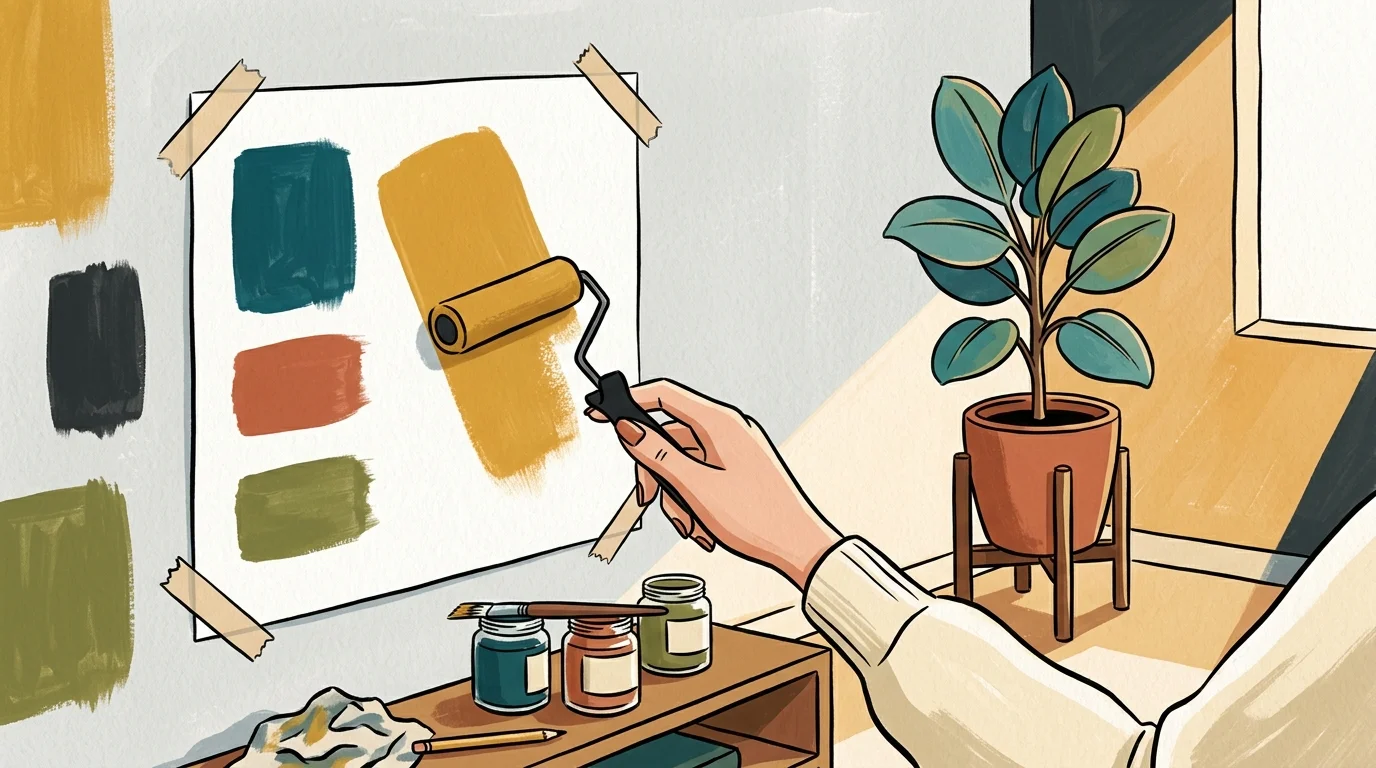
Never paint sample swatches directly onto your existing wall color, as the old paint surrounding the new patch will trick your brain and aggressively distort your perception of the new hue. Instead, roll two generous coats of your sample paint onto the white poster boards, leaving a two-inch white border around the edges. Once the paint fully cures, tape these boards to the walls using painter’s tape. You must observe these large swatches across a full twenty-four-hour cycle, noting how the color behaves during the bright morning sun, the muted afternoon shade, and the artificial lighting you use at night.
Phase 3: Surface Preparation and Priming
Remove all outlet covers, switch plates, and window hardware before cleaning the walls thoroughly with a damp microfiber cloth to remove dust and lingering surface oils. Fill any imperfections with your spackling compound, wait for it to dry completely, and sand the patches until they sit flush with the surrounding drywall. Apply a high-quality, stain-blocking primer—especially if you are transitioning from a dark color to a light shade or painting over patched areas. Primer creates an impenetrable barrier that guarantees your expensive topcoat adheres perfectly and displays its true, vibrant color without interference from previous layers.
Phase 4: Flawless Application
Begin by cutting in the edges of the room with your angled brush, carefully painting a three-inch border along the ceiling line, baseboards, and window frames. While the cut-in border remains wet, load your roller with paint and apply it to the main wall sections using overlapping “W” motions to ensure even distribution and prevent visible roller marks. Allow the first coat to dry exactly according to the manufacturer’s specified recoat time—typically between two and four hours—before applying the second coat. A minimum of two coats guarantees maximum color saturation and long-term durability, regardless of the paint quality.





Leave a Reply
You must be logged in to post a comment.