
FAQ
What are the hidden costs of moving to affordable towns?
While the purchase price of the home remains low, you must account for municipal taxes, utility rates, and transportation costs. Some towns offset low property taxes with higher sales taxes or local income taxes. Additionally, older homes in historic rust-belt towns often feature outdated plumbing or inefficient windows, which increases your monthly utility bills until you complete your renovation upgrades.
Should I renovate before or after I move in?
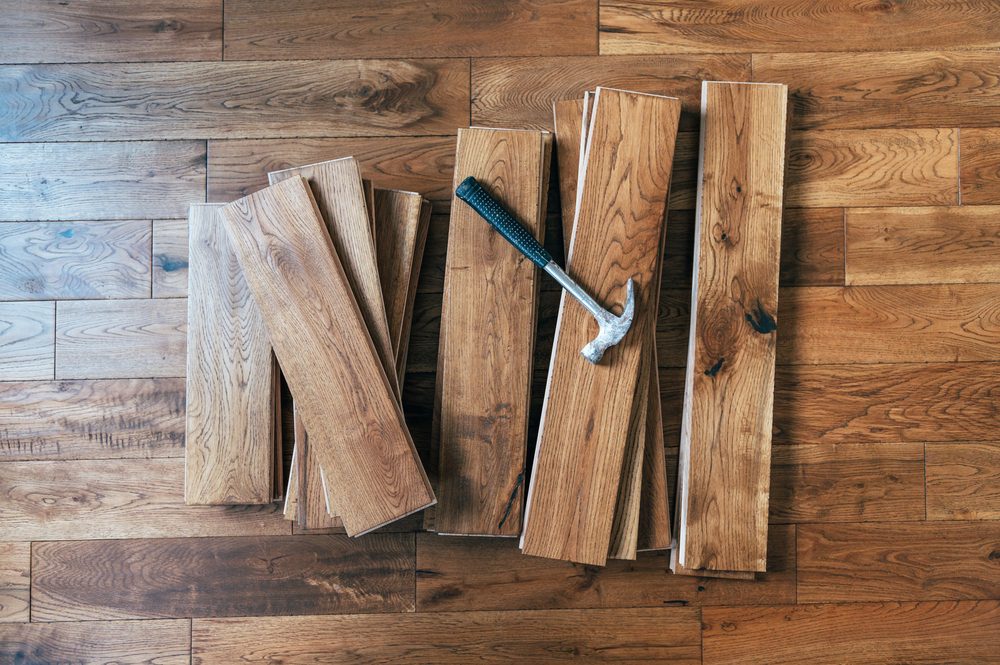
Whenever possible, complete major messy projects before you move your furniture into the house. Refinishing hardwood floors, knocking down drywall, and painting ceilings create immense amounts of dust and require empty rooms. If you must live in the home during construction, isolate the work zones with thick plastic sheeting and tackle the project one room at a time to minimize disruption to your daily life.
How do I find reliable contractors in a new city?
Skip the broad internet searches and visit local, independent lumberyards or specialty plumbing supply houses. Ask the folks behind the counter who they recommend; they know exactly which contractors pay their bills on time, buy quality materials, and maintain steady crews. Furthermore, check the contractor’s licensing status through your state’s department of labor and demand proof of active liability insurance before signing any contracts.
What safety inspections are absolutely mandatory for older homes?
You must prioritize inspections that impact human health and fire safety. Hire specialists to inspect for asbestos in floor tiles or pipe insulation, test for lead-based paint, and check for elevated radon gas levels in the basement. Have a licensed plumber scope the main sewer line with a camera to check for tree root intrusions, and mandate a thorough inspection of the electrical panel and wiring system.







Leave a Reply
You must be logged in to post a comment.