

9 Questions on Composting:
Composting can be as easy as it gets: it basically relies on setting aside a space and adding various organic materials, a little at a time. The results are worth it: you’ll get healthier plants, a much bigger garden harvest, and less food waste. So here’s what you need to know when you start composting!
How can you set up your own compost pile?
One of the first things you have to do before building the pile is to decide on a spot. The best location will be dry, shady, and located somewhere near a water source. If you don’t have any shade, you might still build compost. You could just need to add water along the way!
The ideal space would consist of one cubic yard (3 feet x 3 feet x 3 feet). You could contain your pile using a circle of page wire or a plastic composting bin, but you could also leave it open.
The system you go for depends solely on how much time and money you want to invest, because an open pile is definitely the least expensive and probably the easiest way to start, though it might attract pests in certain locations.
What should I put in that compost?
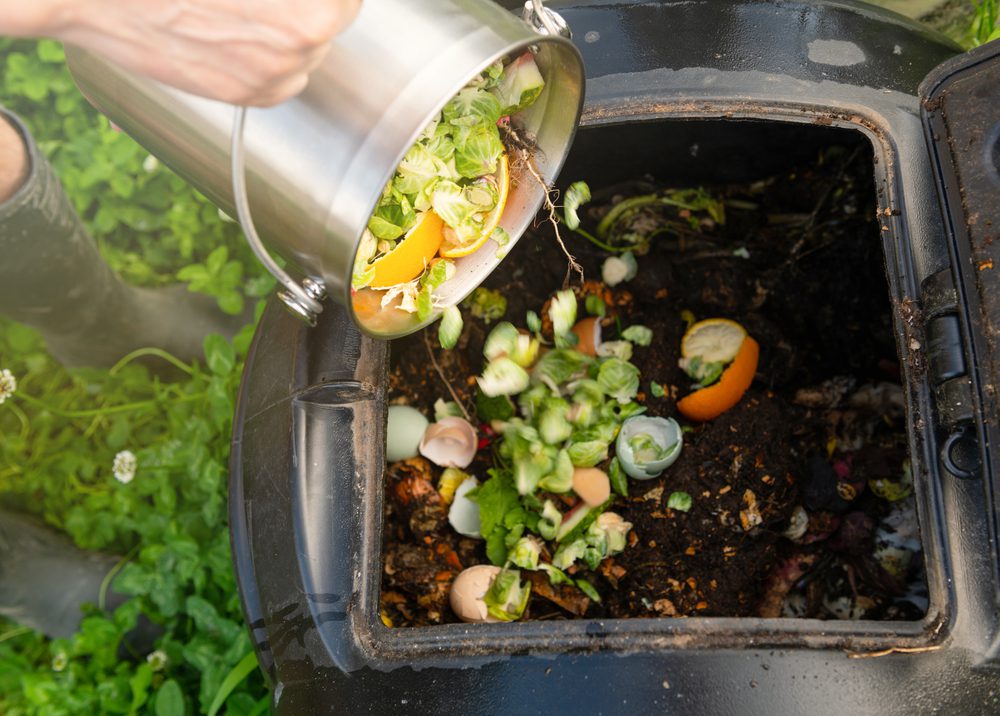
If you want to build a compost pile, you will have to add about 3 parts brown materials to 1 part green materials. Brown materials might include things such as dead leaves and plants, shredded paper or even cardboard, straw, and wood chips, and even sawdust.
All these elements are very high in carbon. Green materials also include grass clippings, those coffee grounds that you can re-use, fruits, and vegetable scraps, and the majority of kitchen waste. All of these are very high in nitrogen.
Remember that this combination will make your pile thrive. That’s mainly because achieving a good carbon-to-nitrogen ratio will only give your pile exactly what it needs to decompose as fast as possible without odors.
What shouldn’t be put in the compost?
The composting process works at its best when you try to avoid as much as possible high nitrogen material. You could also avoid adding anything to your pile that might attract pests or that could be treated with harmful chemicals.
Some standard composters include meat and bones, dairy products, pet waste, oils, and most bioplastics, but also wasted food, black walnut leaves, and trimmings, but also plants that are sprayed with pesticides or herbicides.
While it’s common sense, and it should be as obvious as it gets, it’s still worth mentioning that you shouldn’t put any metal, glass, or even plastic of any kind in your compost, as those won’t break down anytime soon.
Should I water this compost pile?
You will need to keep your compost as moist as possible for all those microorganisms who live there. They need to be moist in order to do their work.
If your climate is a bit dry, that could imply watering your pile once in a while. However, try to avoid making your pile soggy. Just a little bit of moisture goes a very long way.
Do I have to turn the pile?
Turning will help aerate your pile, which could speed up the process of breaking down composted materials. It can also reduce the risk of smelly piles. A sturdy pitchfork is definitely the best tool for turning your compost in its early stages.
However, a shovel might turn out to be way better, as the matter starts to break down and separate. Other close compost bins don’t need the material inside to be turned.
What if turning is too much work?
There’s a big chance you won’t find the right time or the strength to turn your compost pile the old-school way, you could also rely on a tumbler made especially for composting. These built-to-last composters will probably do most of the work for you.
All you have to do is simply turn the handle. Tumblers that are made especially for composting will break down organic matter much more rapidly than stationary compost bins or even piles, as they get turned more often and much more effectively.
They might come in various sizes, but keep in mind that the larger the tumbler, the more strength it will need. In case you suffer from chronic pain, smaller is much better.
How long will it take my compost to mature?
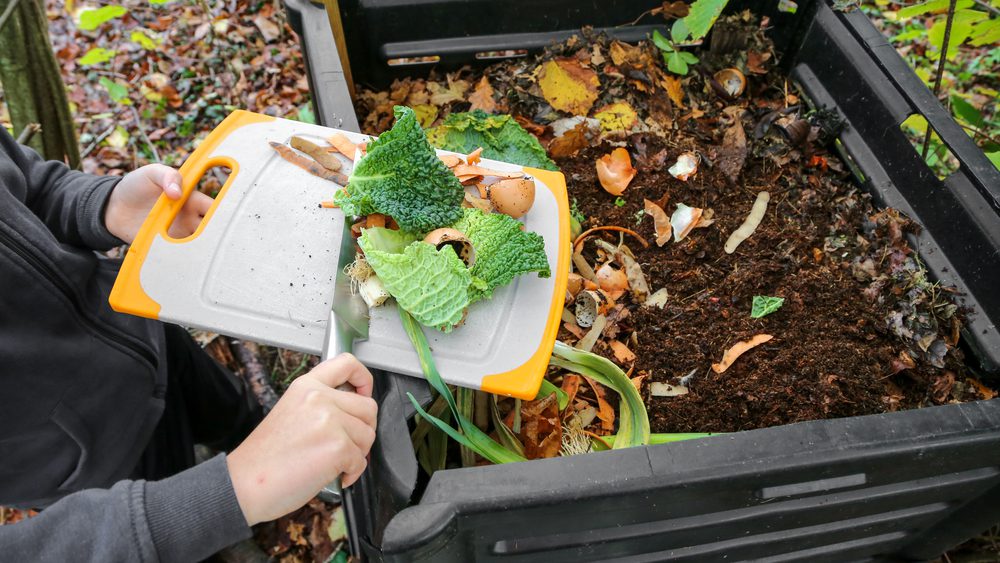
All of this depends on what you put into that compost, and how finely you shred your materials, besides what type of compost pile you have. A basic pile that’s been layered with the correct ratio and turned a couple of times per year will definitely break down by the next gardening season.
Compost material that’s been simply dumped into a sealed tumbler will definitely decompose in a minimum of four weeks, but only if it observes the proper ratio for carbon and nitrogen and gets turned on a regular basis. If you prefer to toss that food waste into one low-maintenance pile and do little else, it might still rot, at some point.
What should I do with it when it’s done?
The better question would be: what can’t you do? When you finish composting, you can use it in so many ways, you can choose whatever fits your purpose!
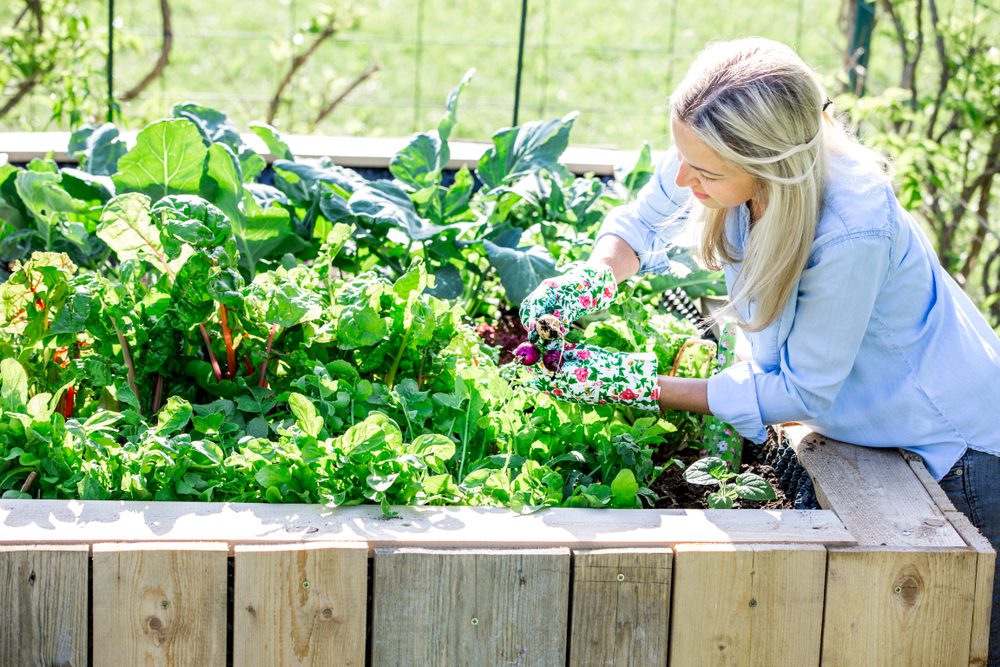
Some of the best options include using it in raised garden beds or even planter boxes, when transplanting starter plants, for compost tea, and to feed perennials.
You will know your compost is ready when it turned dark, crumby, and uniform.
What if there isn’t enough outdoor space? Can I still compost?
You might try composting indoors or outdoors, but indoor composting might look a bit different. If you have enough space in your garage or even on a piece of covered patio, a compost tumbler might work very well. In case you need to compost inside your home, a worm composter could do the job with little disruption.
All you have to do is to add chopped food. A countertop food digester could also be a third option for urban and even indoor composters.
If you enjoyed reading this article, we also recommend reading: 10 Simple Ways to Grow Your Own Delicious Food in Your Backyard


Leave a Reply
You must be logged in to post a comment.