The American House

  • Home
  • DIY
  • Garden
  • Tips & Tricks

8 Outdoor Plants That Attract Hummingbirds

June 17, 2026 · Garden
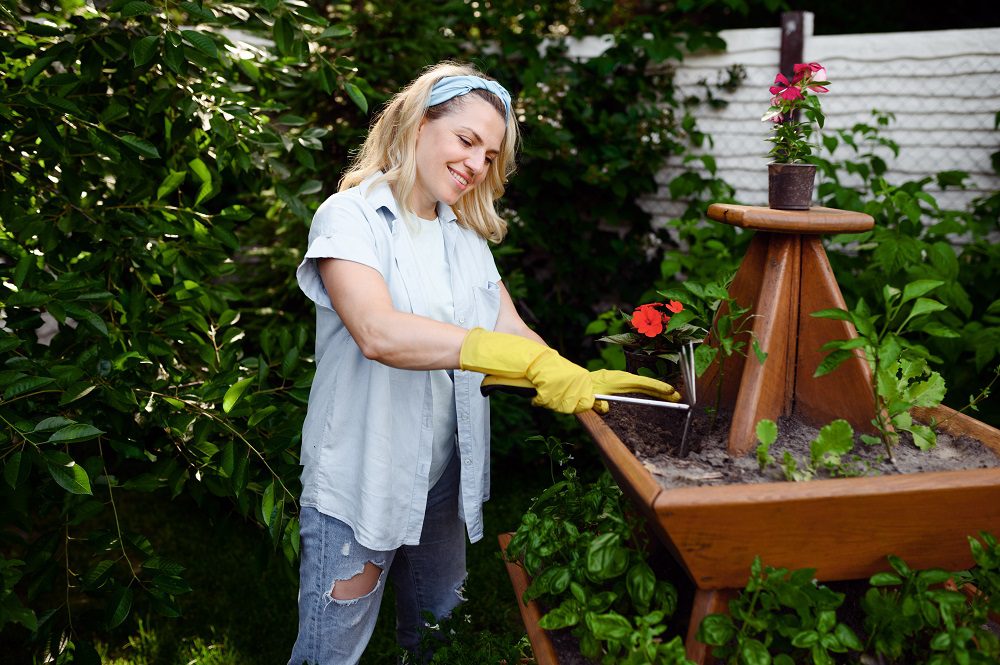
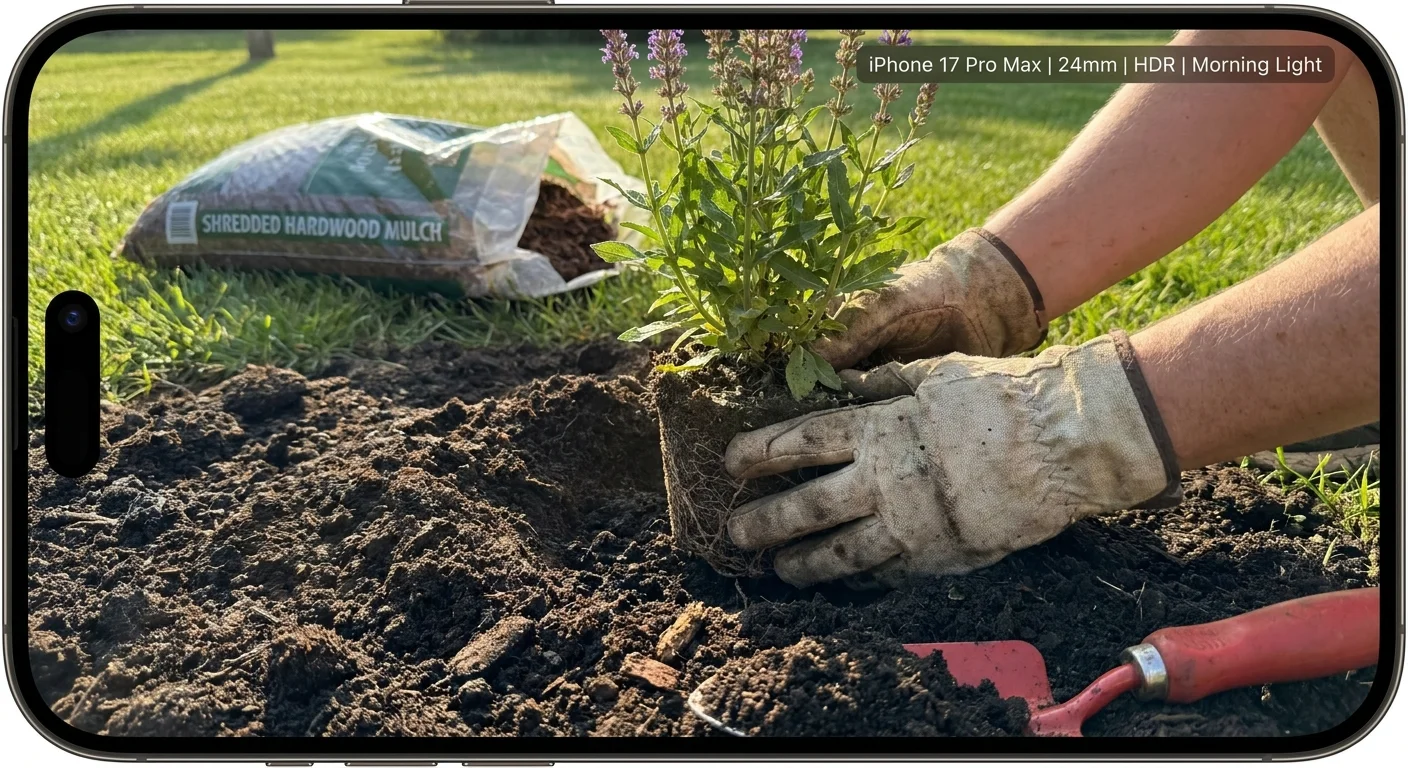
A close-up, first-person photo of gloved hands planting a flowering perennial into dark, rich garden soil.
Carefully plant your new purple flowers in rich soil to start attracting hungry hummingbirds.

Step-by-Step Instructions

Executing this landscaping project involves selecting the right mix of species and utilizing proper planting techniques. By integrating these specific outdoor plants into your yard, you build a diverse canopy of blooms that flower sequentially from early spring through late fall.

1. Bee Balm (Monarda): This vigorous perennial stands out as a top-tier hummingbird magnet. It produces explosive, crown-like clusters of red, pink, or purple flowers. Bee Balm thrives in zones 4 through 9 and reaches heights of three to four feet. Plant this toward the middle or back of your garden bed to provide a brilliant, structural backdrop.

2. Cardinal Flower (Lobelia cardinalis): Featuring striking, fire-engine red floral spikes, the Cardinal Flower demands attention. Hummingbirds possess a well-documented preference for the color red, making this plant absolutely essential. It prefers moist soil and tolerates partial shade much better than most pollinator plants. Space these roughly twelve inches apart to allow adequate airflow and prevent mildew.

3. Salvia (Sage): Salvias send up tall, dense spikes of tubular flowers that perfectly accommodate the long bills of hummingbirds. Varieties like Black and Blue Salvia or Cherry Chief offer exceptional drought tolerance once they establish their root systems. Plant them in well-draining soil to prevent root rot during exceptionally wet winters.

4. Columbine (Aquilegia): Columbines act as the early-season scouts of your pollinator garden. They bloom in mid-spring, offering crucial nectar for migrating hummingbirds arriving before the heavy summer perennials wake up. Their unique, bell-shaped nodding flowers thrive in dappled sunlight under the canopy of your larger mature trees.

5. Trumpet Honeysuckle (Lonicera sempervirens): Unlike the aggressively invasive trumpet creeper vine, trumpet honeysuckle offers a well-behaved, non-destructive vining option. Train this vine up a sturdy cedar trellis or wooden arbor. The cascading clusters of red and yellow tubular flowers provide elevated feeding stations that keep hummingbirds completely safe from ground-dwelling predators.

6. Penstemon (Beardtongue): Native to many regions across North America, Penstemon handles harsh weather conditions and poor soil with remarkable ease. The plant forms a neat mound of basal foliage topped with rigid stems bearing dozens of tubular blooms. Select the Husker Red variety for its stunning maroon foliage and beautifully contrasting white flowers.

7. Agastache (Anise Hyssop): Crushing a leaf of Agastache releases a strong licorice scent that naturally deters destructive deer and rabbits. Meanwhile, the dense spikes of orange, pink, or purple flowers act as a literal beacon for hummingbirds. These plants require excellent drainage; mix coarse sand or pea gravel into the planting hole if your soil consists heavily of dense clay.

8. Zinnia: Do not underestimate the raw power of easy-to-grow annuals. Zinnias grow rapidly from seed and bloom relentlessly until the very first hard frost of the year. Choose tall, single-flowered varieties rather than dense double blooms, as the single varieties allow hummingbirds significantly easier access to the nectar center.

The Planting Process: Begin by arranging your plants while they remain in their plastic nursery pots. Place taller species like Trumpet Honeysuckle and Bee Balm at the rear, Salvias in the middle, and shorter Zinnias along the front border. Dig each hole exactly twice as wide as the root ball but exactly the same depth. Ensure the top of the root ball sits perfectly level with the surrounding soil to prevent crown rot. Gently tease the outer roots apart if they appear tightly bound in a circular pattern. Backfill the hole with a mixture of fifty percent native soil and fifty percent organic compost. Tamp the soil down firmly with your hands to eliminate hidden air pockets, then water the base of the plant deeply to settle the earth.
Pages: 1 2 3 4 5 6 7

Share this article

Facebook Twitter Pinterest LinkedIn Email

Leave a Reply Cancel reply

You must be logged in to post a comment.

Latest Posts

  • An elegant mahogany craftsman-style front door with vertical glass panels, framed by warm afternoon sunlight and potted ferns on a brick por 10 Most Popular Front Door Styles Homeowners Are Choosing Today
  • A dusty attic corner piled high with cardboard boxes and old magazines, illuminated by a warm sunbeam filtering through a window. 14 Useless Things Taking Up Valuable Space in Your Home Right Now
  • A thriving dwarf lemon tree bearing bright yellow fruit in a terracotta pot in a sun-drenched, cozy living room corner. 8 Fruits That Thrive Indoors With Surprisingly Little Effort
  • A couple taking a break from painting inside a sunlit, historic house, looking out a large window at a tree-lined street. 10 Towns Where Housing Costs Stay Low
  • A close-up photo of a Ruby-throated hummingbird hovering next to a coral-red trumpet flower in a warm, sunny backyard. 8 Outdoor Plants That Attract Hummingbirds
  • The Kitchen Trends Retirees Are Embracing The Kitchen Trends Retirees Are Embracing
  • A woman sits peacefully in her cozy apartment drinking tea while a storm rages outside her window, symbolizing renters insurance security. 7 Surprising Situations Where Renters Insurance Can Help
  • Candid photo of friends gathering in a cozy, well-lit living room, sitting on a modular linen sofa around a low oak table. 12 Living Room Design Choices for Adults Who Actually Love to Entertain
  • A bright, modern small bathroom featuring an oak floating vanity, round mirror, and a seamless frameless glass shower panel. 10 Small Bathroom Ideas That Maximize Every Inch of Space
  • A person paints over a dull beige wall with a warm, modern off-white color in a sunlit living room. 7 Paint Color Trends We Hope Don't Come Back This Year

Related Articles

plants for allergies

9 Best Indoor Plants to Relieve Allergies

Dracaena Dracaena is one of the most beloved and effective plants when it comes to…

Read More →

10 Most Unusual Plants You’ve Never Heard Of

2. Lavender Scallops Another unusual plant is lavender scallops. This succulent is a low-maintenance plant…

Read More →
Lawn Care Tip

7 Budget-Friendly Lawn Care Tips That Will Help You Save Money

Lawn Care Tip: Make Your Own Compost It’s easy to make your own compost. And,…

Read More →
Lawn Care Tip

13 Lawn Care Products that Will Ease Your Job

We all know how important it is to keep your lawn and garden looking like…

Read More →
indoor-plants

10 Plants You Can Easily Winter Indoors

These 10 Plants Can Easily Live Indoors Throughout Winter! We know plenty of gardeners who…

Read More →
Low Maintenance Landscaping

Low-Maintenance Landscaping: 7 Beautiful Trees with Minimal Upkeep

Acer Acers, or Maples as they’re also known, need a bit more care than some…

Read More →
get rid of mosquitoes

Get Rid of Mosquitoes Fast: 5 Ways to Protect Your Yard and Home

Using these tricks, you’ll get rid of mosquitoes fast! During the winter we stay inside…

Read More →
plants

10 Amazing Plants That Keep Insects at Bay

3. Mint I enjoy mint. It smells incredibly fresh, so I put it in my…

Read More →

10 Plants That Love Shade

Rhododendron, an evergreen shade loving plant This shrub is evergreen and deciduous and has no…

Read More →

The American House

Inedit Agency S.R.L.
Bucharest, Romania

contact@theamericanhouse.com

Trust & Legal

  • Privacy Policy
  • Terms and Conditions
  • Do not sell my personal information
  • Subscribe
  • Unsubscribe
  • Contact
  • Request to Know
  • Request to Delete
  • CA Private Policy

Categories

  • DIY
  • Expert Tips
  • Garden
  • Tips & Tricks

© 2026 The American House. All rights reserved.