
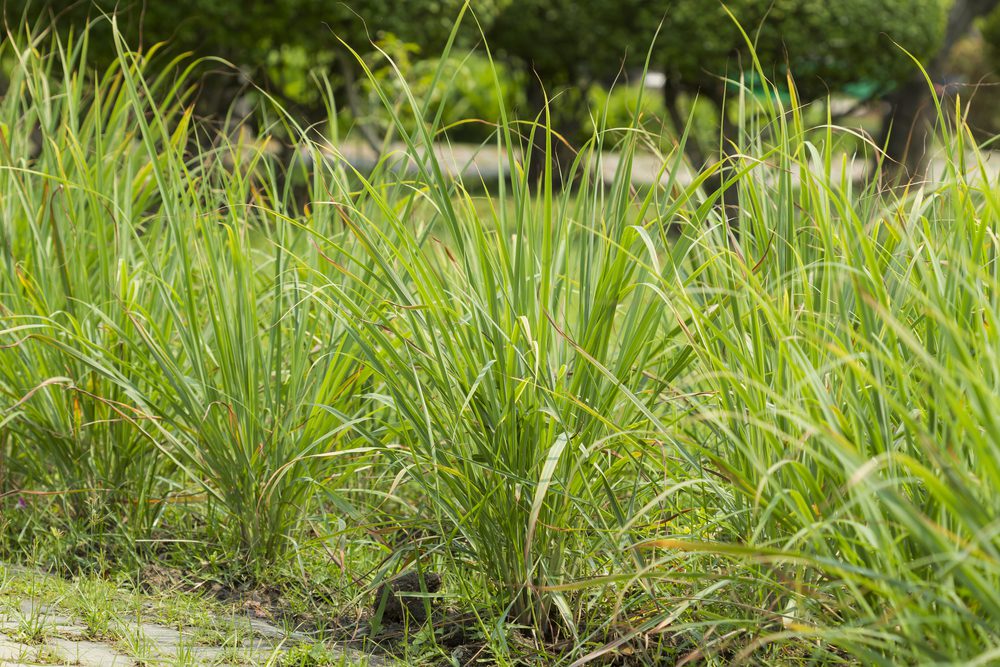
Have you ever noticed the neighbors’ sprinklers running all hours of the day? If that’s so, you’re probably wondering what’s the best time to water the grass, and how much water is seen as enough.
When it comes to watering your lawn, it’s not a question of how to get the greenest, most pristine garden in the neighborhood anymore. Since many communities experienced drought in the most recent years, it’s definitely more important than ever to heed common-sense guidelines when you’re watering a lawn.
If you know how to do that, it can save you plenty of resources, and also keep you out of hot water with your homeowners association and your city.
In some areas where HOAs and municipalities enforce something we can definitely categorize as strict rules, wise watering can definitely save you from fines too. Here’s when it’s the best time to nurture your plants:
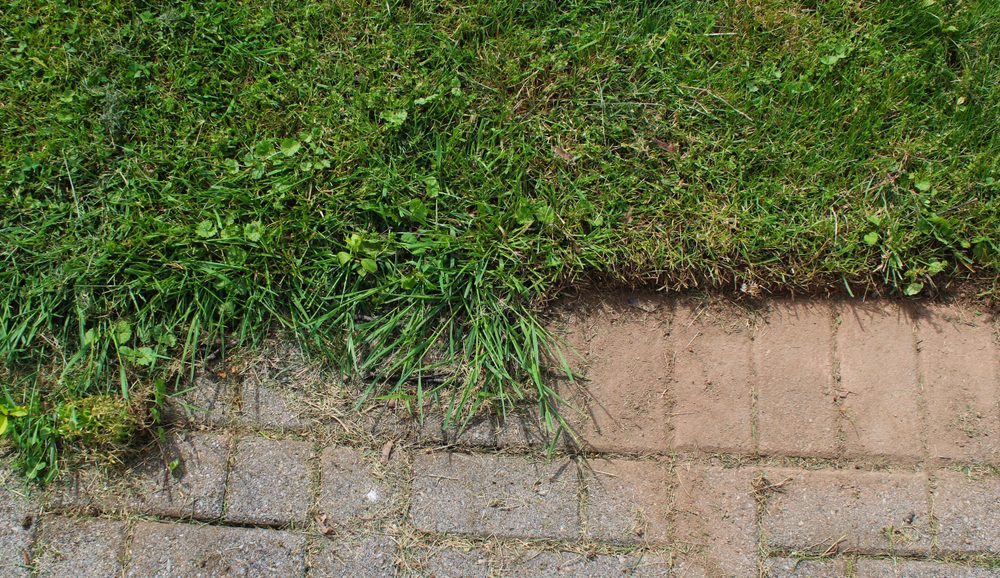
Early in the morning is the best time to take care of the grass
Watering grass throughout the day, preferably at sunrise when everything is much cooler will definitely ensure optimal water absorption.
Watering the garden at night or even later in the day, especially if it’s bright, warm, and breezy, would mean that the wind and heat of the sun and soil will also rob your grass and any other plantings of the much-needed hydration.
Water is less likely to evaporate in the morning’s lower light and temperature, so you might waste less. If you get the job done somewhere around dawn, you are also giving the water a much greater chance of reaching the roots and being completely utilized. So make sure you set those sprinklers accordingly.
Water newly planted grass seed twice daily to help it take roots
Grass seeds also need constant moisture. They generally tend to grow much better in temperatures that range between 59 to 69 degrees Fahrenheit. All these conditions ensure their germination.
Depending on the variety of grass seeds planted, germination might take somewhere in between 5 to 30 days. The whole purpose of watering grass seeds is to keep the top 1.5 inches of soil moist. But make sure it’s not soggy all the time.
The proper amount of water is definitely important for helping the sprouts take root. Moreover, not enough water will dry out and wash away the seed, making clumps or bare spots.
As a general rule, you should water the seeds twice a day for 5 to 10 minutes: first in the morning and then in the afternoon, after the hottest part of the day has passed.
The amount of water you use is important
I know it might seem like a good idea to set your sprinkler or your irrigation system to the highest setting and simply drench the entire area as fast as you can, but if you water way too fast, you might experience runoff.
This will rob the lawn of ample absorption and waste all the water in the meantime. So make sure you keep an eye on the edge of the lawn to make sure you’re not letting precious water run down the drain when it could be used to help your grass grow.
Here’s a great device that will make your life easier!
Cool-season and warm-season grasses have various watering needs
Cool-season grasses are oftentimes found in much cooler, northern climates or even planted in the off-season of warmer ones. These grasses generally start growing when the soil temperature reaches between 40 and 60 degrees Fahrenheit, with the best growing seasons being spring and fall.
When you water a lawn of cool-season grasses, you generally need around 1 inch of water every week. This might be achieved by watering three times every week at constant and well-distanced intervals.
Warm-season grasses generally make their home in warm, southern climates. Usually, these types of grasses start growing when the soil temperature hits somewhere in between 60 and 65 degrees Fahrenheit, reaching peak potential in the summertime.
As a result of their heat tolerance, warm-season grasses develop quite deep roots. For example, when you water a lawn of warm weather grasses, make sure you only give them 1/2 to 1 inch of water per week. All these types of grasses need to be watered only once, maybe twice every week.

Follow the general rule of one inch of water every week
Over an inch of water a week might drown your grass, depleting it of oxygen and causing it to die, so try to measure your output and wait around 3 days between each watering session to give it the opportunity to breathe.
To make sure you’re hitting the mark, make sure you place a couple of coffee mugs around your yard test the sprinkler system, and see how long it takes to fill every cup to the 1/3- or 1/2-inch mark.
Water your mature lawn one to three times per week
Your lawn-watering schedule mainly depends on whether you decided upon a warm-season grass or cool-season grass. The extensive root systems of warm-season grasses grow way deep into the soil, and also require less frequent watering.
What you want is to water these grasses as infrequently as you can. Cool-season grasses, however, have a shallow root system, and therefore require constant moisture. Watering up to three times every week might help the roots keep the nutrients they would need to flourish.
Keep an eye out for dryness
Grass that has lost its color or curled over the top is probably suffering from a lack of moisture. The same goes for a lawn that still shows your footprints after you’ve already trod a path across it, with the grass blades refusing to bounce back up.
If you happen to notice these sings of dryness, make sure you adjust your lawn watering schedule to start as soon as possible in the day and allow for slightly longer sessions, or even fine-tune your watering days to occur a bit more often.
Watch out for overwatering
If the ground feels especially sponge-like and your feet sink in as you walk across it, or even if you see a thatch of extra vegetation taking hold of your topsoil when you run your hand over the blades, you might be overwatering your lawn.
But you will notice that as soon as you modify the frequency, things will change. However, make sure you don’t do it too abruptly. Take a couple of weeks to slowly adjust your lawn watering schedule and keep the shock of change from further ruining your lawn.
Cut back on water use – xeriscaping or native landscaping
Xeriscaping generally involves landscaping with no or minimal watering. It’s often used for sand, pebbles, mulch, or even rock gardens where grass could be otherwise found.
Native landscaping also involves grasses and plants that would naturally thrive with typical local rainfall, reducing or even eliminating the need for extra watering.
You can also check with local sources and find grasses native to your own area and grow a very small patch for kids and dogs. Both xeriscaping and native plants are quite attractive and effective, especially when it comes to trying to cut back on your water bill.
In fact, some homeowners might choose to combine the two for a beautiful and eco-friendly landscape that also demands a bit of upkeep. Besides, you don’t even have to worry about the best time to water the grass in summer heat or winter conditions.
Instead, what you want is to have a landscape well suited to these elements in your region throughout the year.
If you found this article, we also recommend: 14 Things That Don’t Belong in Your Bedroom, According to Designers








Leave a Reply
You must be logged in to post a comment.