
Which design era should you have been born in?
What does your dream home look like? Most of the time we have a vision of the home we would love to live in. We may like high arches; we may want a big yard or a fancy living room. All of us have some preferences, but have you ever thought there is a design era out there that probably matches all of these?
The luxurious interiors of the 1920s, the bohemian design of the 1970s, or the clean aesthetic of the 2010s all have their charm, and maybe one of them is the perfect style for you.
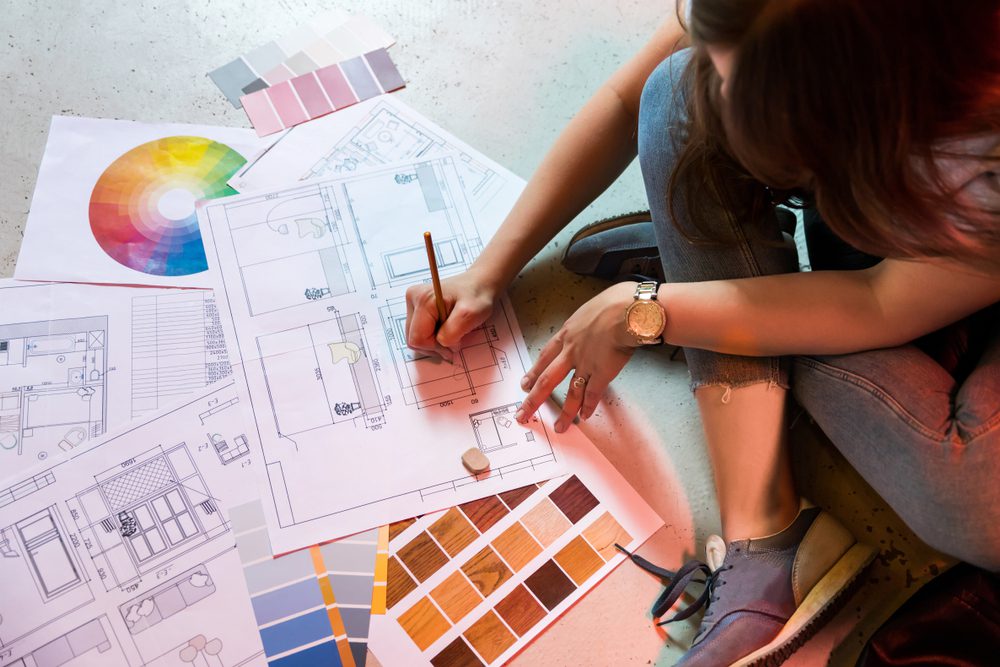
Understanding what design era you are part of is ideal because it can help you redecorate your home in such a way that you will give it your personal touch and anyone invited inside will be aware that this is your home and you love it.
Interior design trends come and go, but some elements remain in history, and today we want to present some design eras so you can find your favorite one. Get ready to see what the perfect interior would have looked like back in the day and choose your perfect style once and for all!

1. 1920s
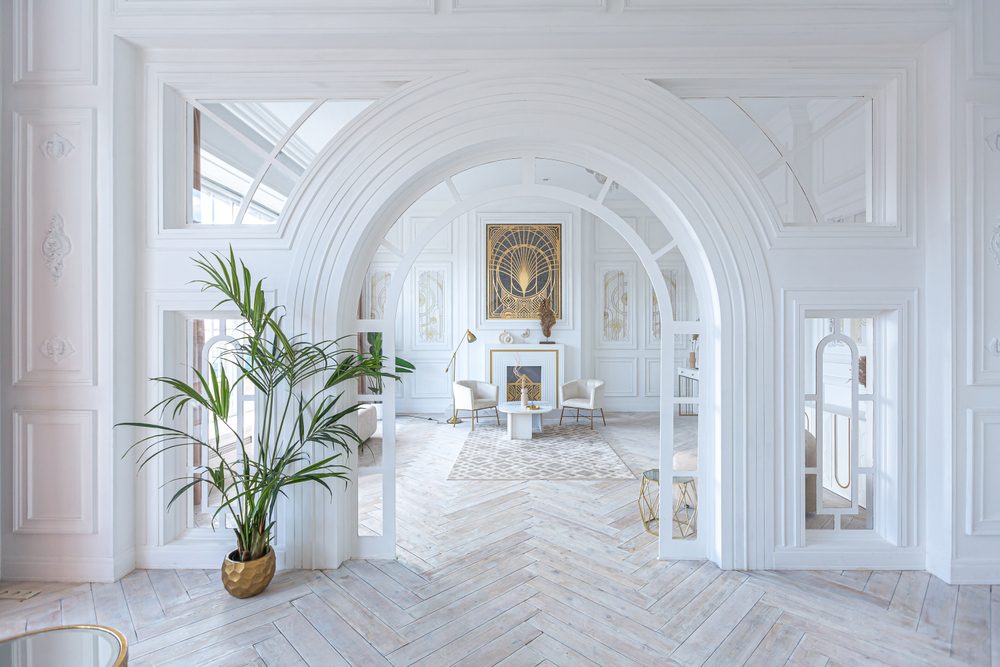
This design era is all about luxury, and if you feel like you can relate to the elegance and excess of the Jazz Age, maybe this is the one for you. Back in the 20s, people saw the interiors of their homes as the canvas they could use to show others their wealth and refinement. Opulence.
This is also when the first interior designers were officially practicing this job, and Art Deco, which originated in Paris, perfectly captured the spirit of the time. Glamour combined with natural forms and bold geometric patterns. This is a real art deco.
If you want this design era in your home, go with rich materials and textures. Try to layer them, and also deep jewel tones like emerald green, sapphire blue, and ruby red are a must for this aesthetic.
2. 1940s modernism
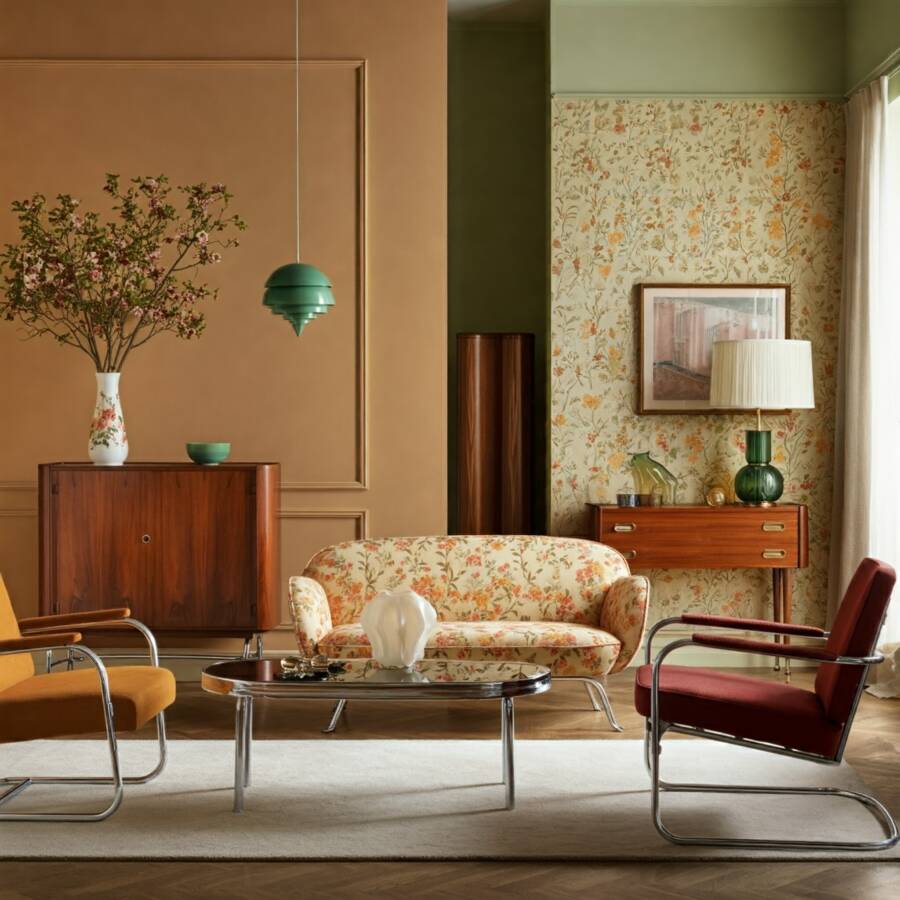
If functionality is more important for you than the decorative elements of a space, your preferred design era might be this one. Here, things are simple and functional while also looking good. Less is more is the motto of the modernist movement, and the clean lines and the sleek materials are the perfect embodiment of this.
Those living in the forties witnessed the war, and this is reflected in the style. There is more freedom, more space, and also the family is really important. The space is made to fit more people in the same place, and this makes it ideal for family gatherings.
If this is your cup of tea, multi-functional pieces with clean, organic silhouettes are a good start. Also, to soften all these harsh lines, floral patterns and delicate textures can also be added.
Bentwood chairs, polished chrome details, and glass surfaces are incredible because they harmoniously blend both the innovation and functionality specific to this time. And please don’t forget about the vintage-inspired decor pieces.
3. 1950s Scandinavian
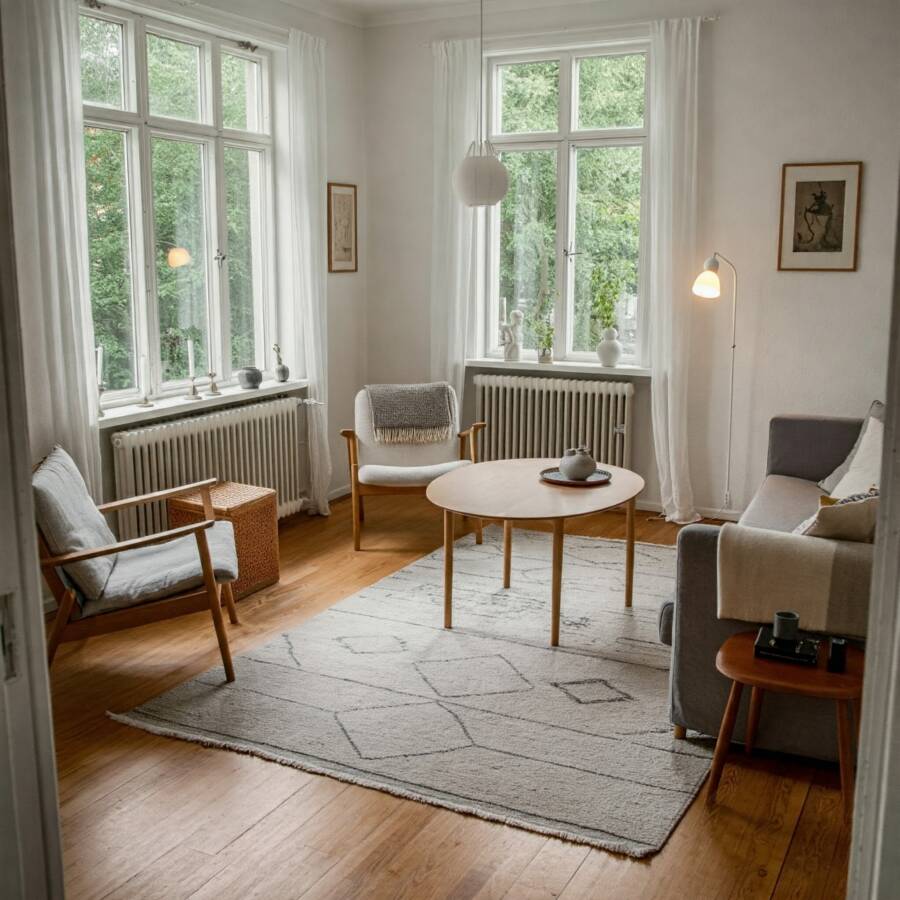
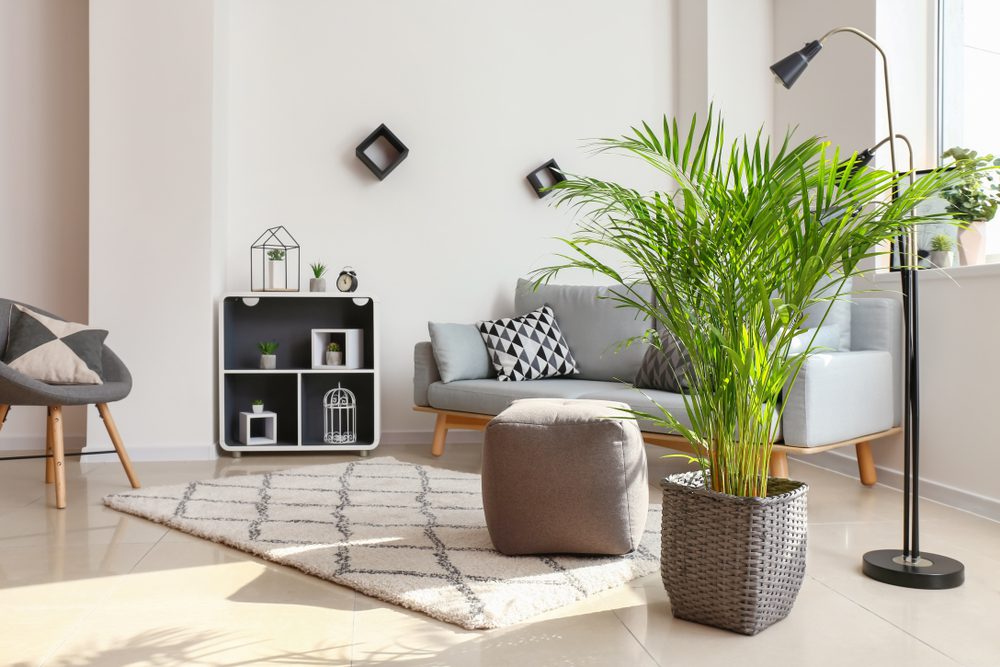
Cozy and minimalist, this is the Scandinavian design era in a nutshell. These interiors were popular in the 1950s and gained international acclaim because they were accessible, affordable, and practical, and compared to the 1940s modernism, they were also radiating warmth. It’s all about the Nordic philosophy of “hygge,” and this is how a nearly perfect balance between simplicity and comfort is born.
Each piece has its purpose and is crafted from top-quality materials. Durable, affordable, and stylish. This is the main goal of this design era. Accessorizing is minimal and intentional. Curated art pieces, potted plants, and carefully selected decor items are perfect to create that sense of calmness.
If you love simple pieces like wooden tables and chairs with organic curves, then you should try this style.
4. 1960s retro vintage
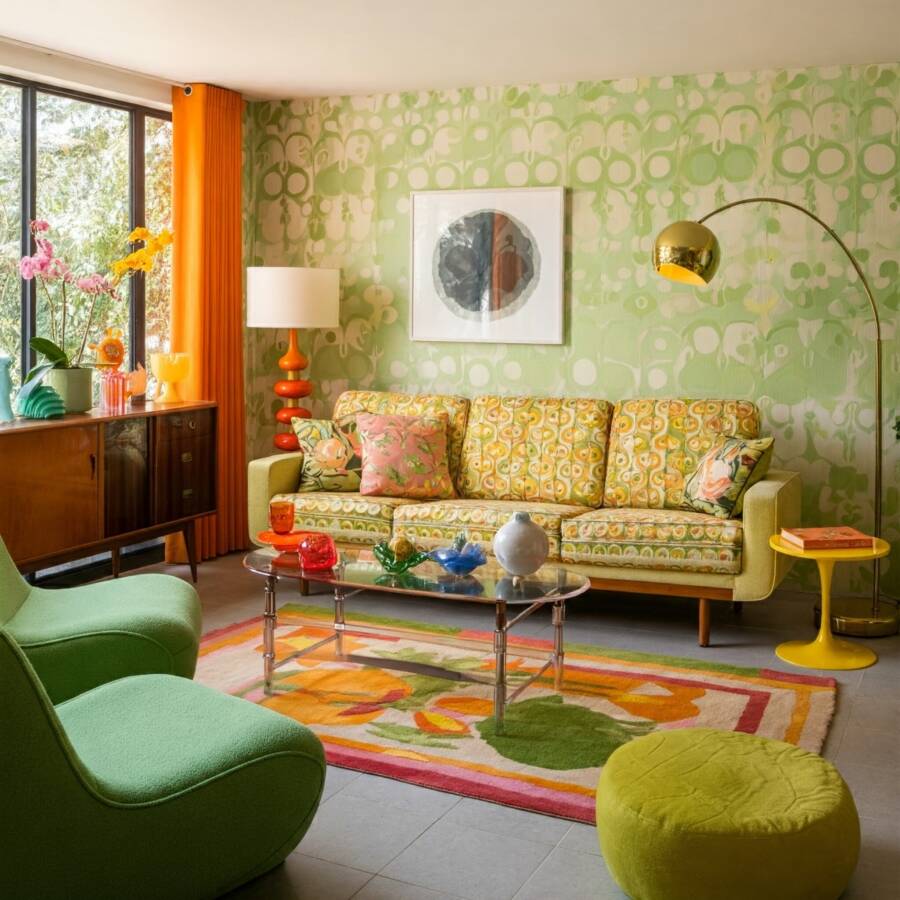
This is a design era that is very nostalgic for many because there are a lot of folks who grew up during that time. Compared to the Scandinavian aesthetic, this one is bold and colorful and is all about your unique way of expressing yourself. For some, this playful rebellion might be even outrageous!
The retro interior specific to the 1960s makes use of a very vivid color palette ranging from the famous avocado green and the burnt orange to adventurous hot pink nuances and the unforgettable yellow mustard.
Psychedelic patterns, shag rugs, and vibrant wallpapers are all staples for the Swingin’ Sixties, and please let’s not forget that this all happened during a pivotal period in America, from home design to politics. People wanted change, and this is what they’ve got!
If the magic of the Sixties is what you want to have around you every day, this design era might be what you are longing for! Pop art, bold patterns, iconic colors, and famous artists like Andy Warhol are what define this era, and if you feel like this is where your soul is, you should give it a try!
5. 1980s Bauhaus
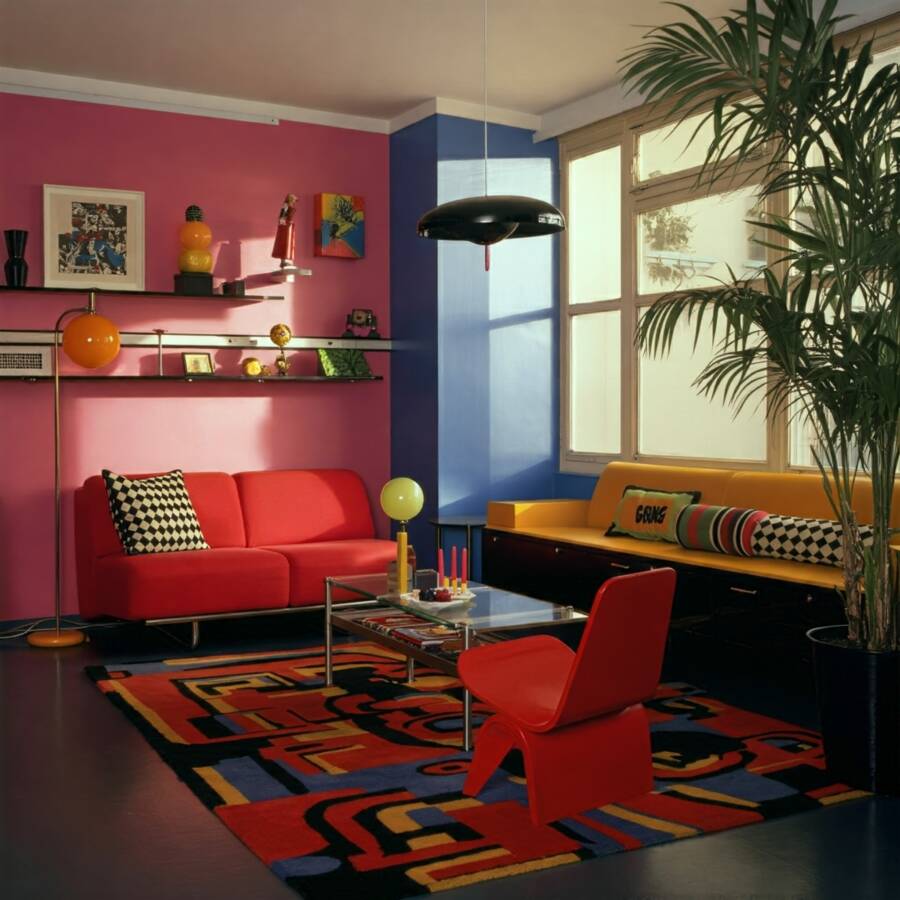
Here we go again! Another maximalist design era! Bold statements, eye-catching colors, and vibrant patterns are the staples of the 80s Bauhaus revival, and if you love to make a statement, this might be your design soulmate.
The “more is more and less bore” philosophy is what defines the Eighties and was born in the early 20th century when Bauhaus appeared as an avant-garde German movement that merged fine arts with crafts, emphasizing function and form.
During the 1980s, the style was picked up again, and it brought an explosion of color and personality to the American interior design scene. It combines the classic Bauhaus elements such as primary colors, simple geometric shapes, and functional designs, but they were modified to create bolder statements.
Does this strongly resonate with how you imagine the perfect home? Maybe you are a 1980s Bauhaus baby!

6. 1990s minimalism
As you can see, we are rapidly approaching our present times, and we are here with the minimalism we all know. It appeared in our lives during the 90s, and some people still decorate their homes according to this design era even today.
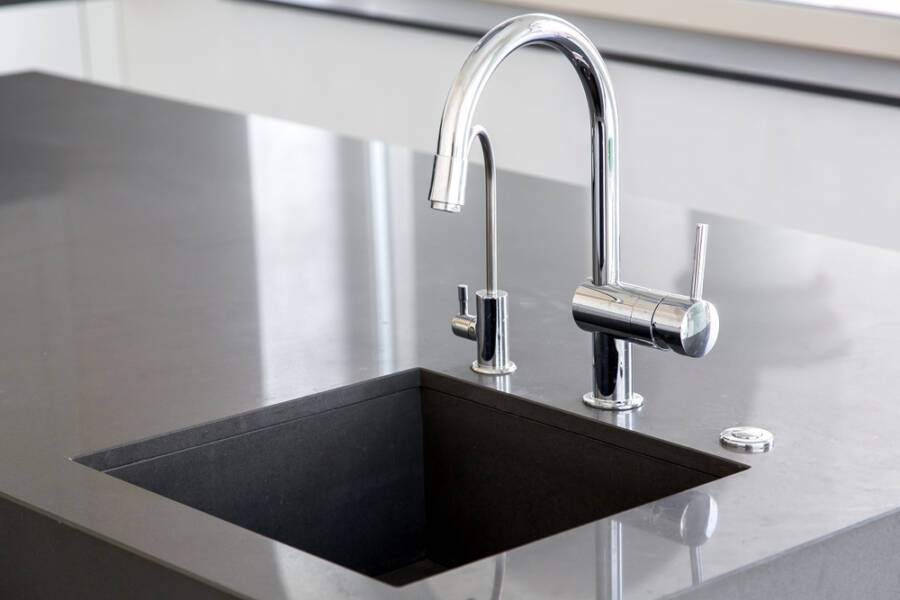
The clean lines and the refined designs make the space feel bigger and also create a purpose for it. Colors are kept simple, and bright white is the staple. Cool tones and simple colors—this is what we see in a minimalist home. This is a design era that left behind all the bold statements and wants to keep things “fuss-less.”
This is a simple style that wants to make your life more organized. Also, owning fewer things means it will be easier for you to clean around. If you feel like clutter is your worst enemy, then minimalism might work perfectly for you.
The decor is no longer the main focus; instead, this is now shifted to the main furniture pieces that tend to be bigger than usual and have a simple and sharp look. Printless fabrics, clean lines, and warm lighting are the things that make 1990s minimalism the style that we know today.
Looking for inspiration? This book is perfect for you: The Interior Design Handbook: Furnish, Decorate, and Style Your Space
You should also read: 7 Home Design Trends You’ll See Everywhere Next Year





Leave a Reply
You must be logged in to post a comment.