

This time of the year, you’d rather stay indoors. Well, so do rodents such as rats, mice, and squirrels. They also desire a warm place, with enough nesting materials and food in their proximity. In response, many homes deal with rodent infestations as soon as winter comes and require professional rodent control services.
As a matter of fact, according to the National Pest Management Association, rodents invade around 21 million homes every winter. On top of that, roughly 24 percent of homeowners report mice or rats on their properties during the winter season.
However, some factors, from the weather to your home, determine if you will be one of those people who ultimately need a rat or mouse exterminator to keep your home safe and completely pest-free.
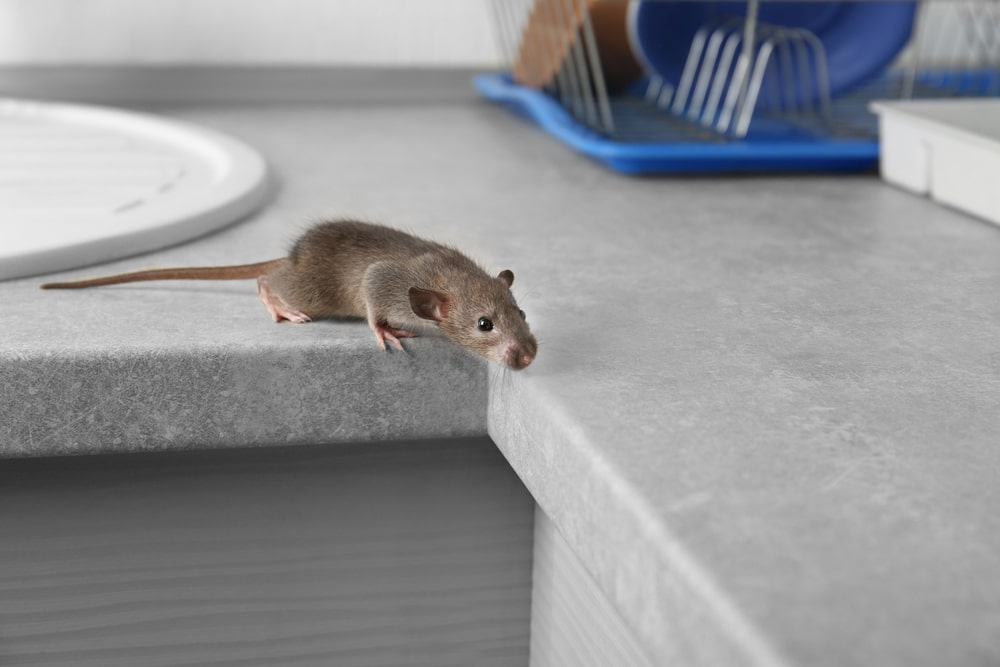
Colder temperatures yield winter rodent infestations
As soon as temperatures dip, rodents, like mice and rats, want shelter out of the cold (exactly like us). As a result, starting in the fall, colonies start looking for potential places to shelter as winter gets closer.
In extreme instances, all the signs pointing to your house, such as trails of bodily waste, might mean a potential rat infestation with hundreds of rodents that come and build their nests over the course of the season.
Small cracks and holes are big enough for a mouse infestation
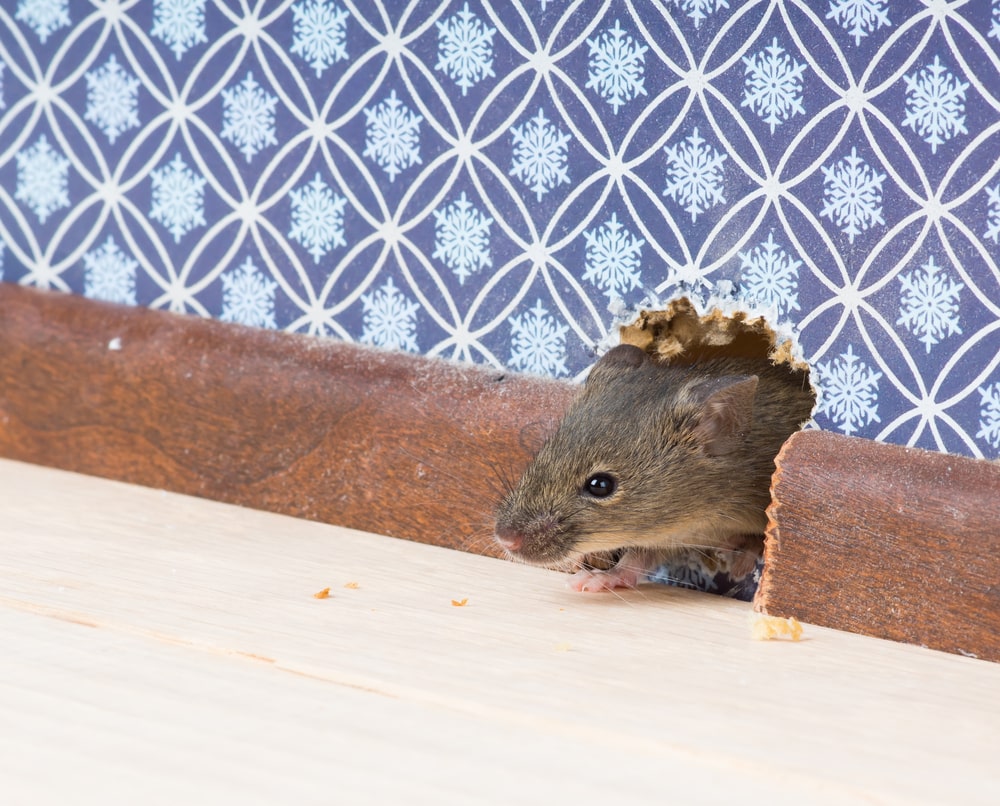
It’s winter, so you have naturally closed all the windows and doors. Well, how can your home endure a rat or mouse infestation? The wide majority of rodents, such as mice, only need a very small hole (an inch or so) to squeeze through.
This means that any place where pipes and wires go outside is, in fact, a suitable entrance to your home and could potentially lead to a winter mice infestation.
On top of that, if the hole is about the size of a pencil eraser, any average mouse can slip through and rats can get through the size of a quarter.
Besides, larger rodents with stronger jaws could even chew their way in through the roof or insulation. As a fix, it’s always a wonderful idea to assess your property every winter for such pathways, then work with a professional pest control company and properly seal your home.
Besides, as part of the rodent control process, not only you’ll reduce the potential of a rodent infestation, but you’ll also end up conserving more heat.
But you need to understand that the exterior wall is one way to get through. For instance, rats and mice can both swim, so you might want to check your sewer lines and look for any cracks in your foundation.
You have clutter leading to a rat infestation.
All rodents look for that special place to nest, as well as materials to build one. This also means that clutter in your home provides the perfect source material. Indoors, this could represent piles of clothing or anything else you have in storage.
Outdoors, and rodents often prefer piles of firewood. If you want to make your property less attractive to rodents and reduce the need for rodent control, you should consider taking the following steps:
- keep firewood away from the home and off the ground. The ideal thing would be to store it on a shelf a minimum of 20 feet from your property and elevate it five feet.
- always trim your shrubbery. squirrels can use those branches as a pathway to access a roof.
- keep the home clean and clutter-free, with boxes kept off the floor.
- store any food you own in rodent-proof containers, and never leave it sitting out on the counter.
- get rid of the moisture, which looks like a source of water. Also, fix all the clogged drains and leaking pipes.
You have a food source creating a rodent infestation
As rodents eat almost anything, they still prefer grains. As a matter of fact, tears in bags of cereal often indicate you are dealing with mice or rats.
If you cook with any type of grain, including oats and rice, you should store it in a sealed container, and never leave it out and dispose of it in a trash can with a secure lid.
Signs you have a rodent infestation during winter
As we mentioned before, winter is the peak of rodent season. Since mice and rats look to escape the cold, they also burrow and scamper their way into residences and places of business looking for a warmer environment.
If you are not careful, “an army” of rats can rapidly turn your property into a bustling nesting ground causing neverending disruption to your life.
They can even lead to intense electrical and structural damage to your home. With that being said, we have outlined 5 key warning signs of a rodent infestation during the winter season.
Scratch marks, even tiny ones
Rodents’ feet aren’t soft or supportive like ours. Their limbs wear down surfaces over time, which leaves noticeable scratch marks on hard flooring or across wall molding. You need to make sure you inspect all those areas and pay special attention to areas that don’t see a lot of foot traffic.
This can also go for furniture. You need to check all wooden legs and cloth backs for any suspicious sign that something has been scratching or wearing out your furniture pieces. You should also keep in mind that all furniture will show wear signs over time.
But as rats scratch and gnaw with their paws and teeth, these markings will become visible and should be easy to distinguish from normal wear. Also, keep an eye out for scratch and gnaw marks from a rat or mouse.
Holes in places you shouldn’t notice any
We have all seen by now the quintessential mousehole that Jerry used to avoid Tom in the fun-loving cartoon. Even if the reality is not quite so obvious and clean-cut, it does bear a certain similarity.
Rodents could look to burrow into your walls, taking up enough residence in the safe zone to explore the house and build a proper nest. All these mice entry points can be quite small, especially since rodents are well-known to squeeze through holes much smaller than their body.
Constant check-ups on your baseboards in areas where they have worn away might help oversee the current status. Moreover, you might want to consider repairing and blocking these holes to prevent any rodents from making easy use of them.
Nasty smells
All creatures leave behind feces, which stand as evidence that they are living in that area. Rats are no different. As your usual rodent droppings and rat droppings might not exactly give off a particular odor strong enough to draw your attention, areas that are frequented by rodents will often give off a strong urine-like smell.
Noises at night
Rats are known to be small and they can easily pass by unnoticed for some time. However, everything makes noise eventually. For rodents in particular, most of their activity happens at night. They are nocturnal by nature and they take advantage of the hours you’re supposed to be asleep.
Before you settle in for the night, try to listen for any rumbling, scampering, and high-pitched squeaking sounds at night. Moreover, make sure you pay special attention to your walls. Even if that could sound a bit weird, rats sometimes use the inside of your walls to navigate your home.
If you hear noises coming from them, and you know it’s not just the usual leaky pipe, then chances are rats or small animals are squatting over there.
If you found this article useful, we also recommend checking: 10 Items You Should Never Throw in Your Garbage Disposal









Leave a Reply
You must be logged in to post a comment.